
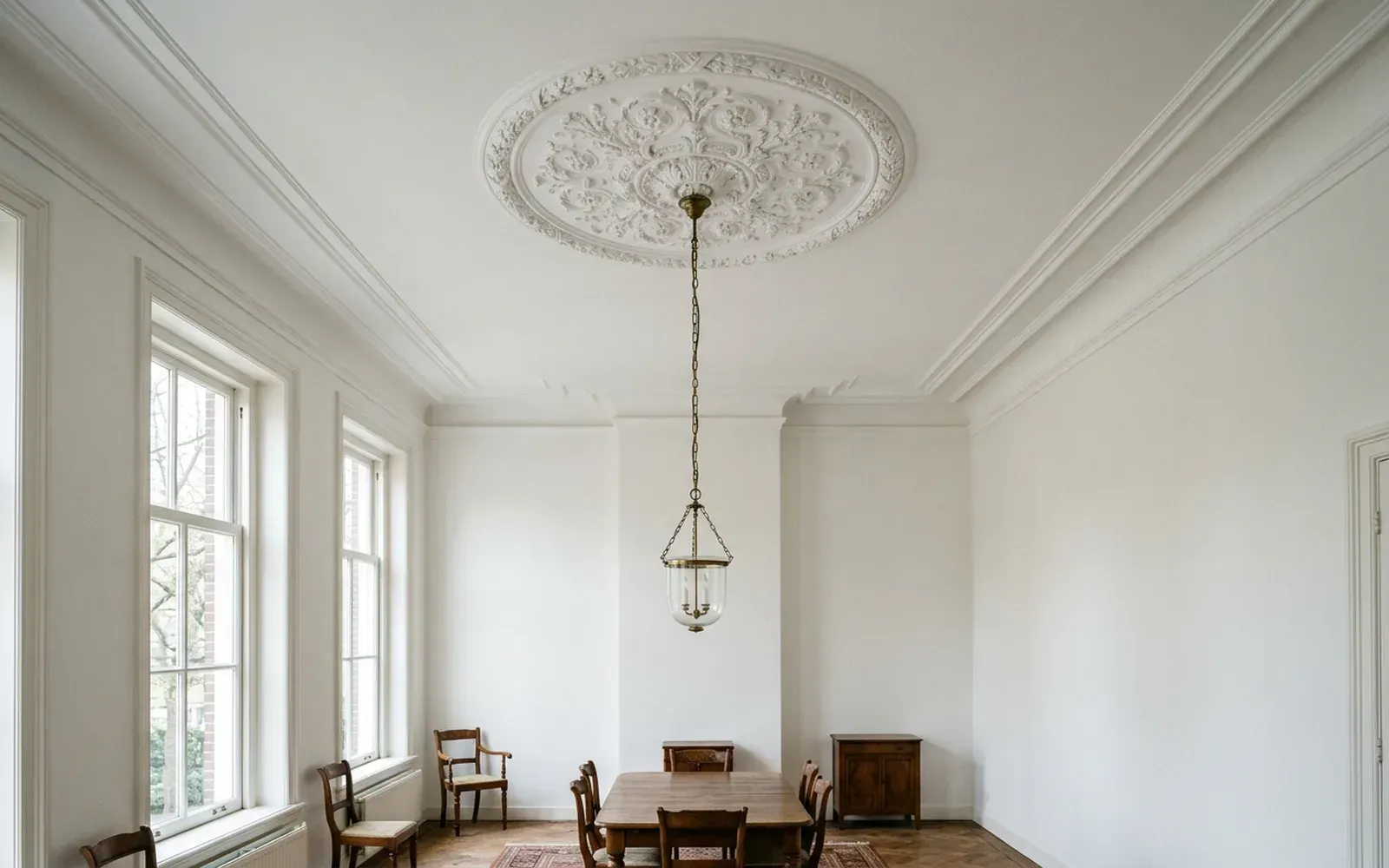
A ceiling rose is a decorative ornament, usually round, fitted around the point where a light hangs from the ceiling. Ceiling roses originally come from period interiors and decorative plasterwork, but they are also available in simple, modern designs. They are often combined with coving or a cornice, so the ceiling reads as a single whole.
Where does the ceiling rose come from?
Ceiling roses and other ceiling ornaments go back centuries. In townhouses, canal houses and villas from the 18th, 19th and early 20th centuries, ceilings were often richly decorated with plasterwork: mouldings, roses, corner pieces and borders with leaf motifs.
The area around the light was a logical focal point: the light usually hangs in the middle of the room, and an ornament around it gives the ceiling a clear centre. Today, the rose is mainly a decorative element that frames the light.
Which types of ceiling roses and ornaments are there?
Classic ceiling roses
Richly decorated roses with floral and leaf motifs, beaded edges or acanthus leaves. They suit high ceilings and period properties, often together with a profiled cornice.
Modern ceiling roses
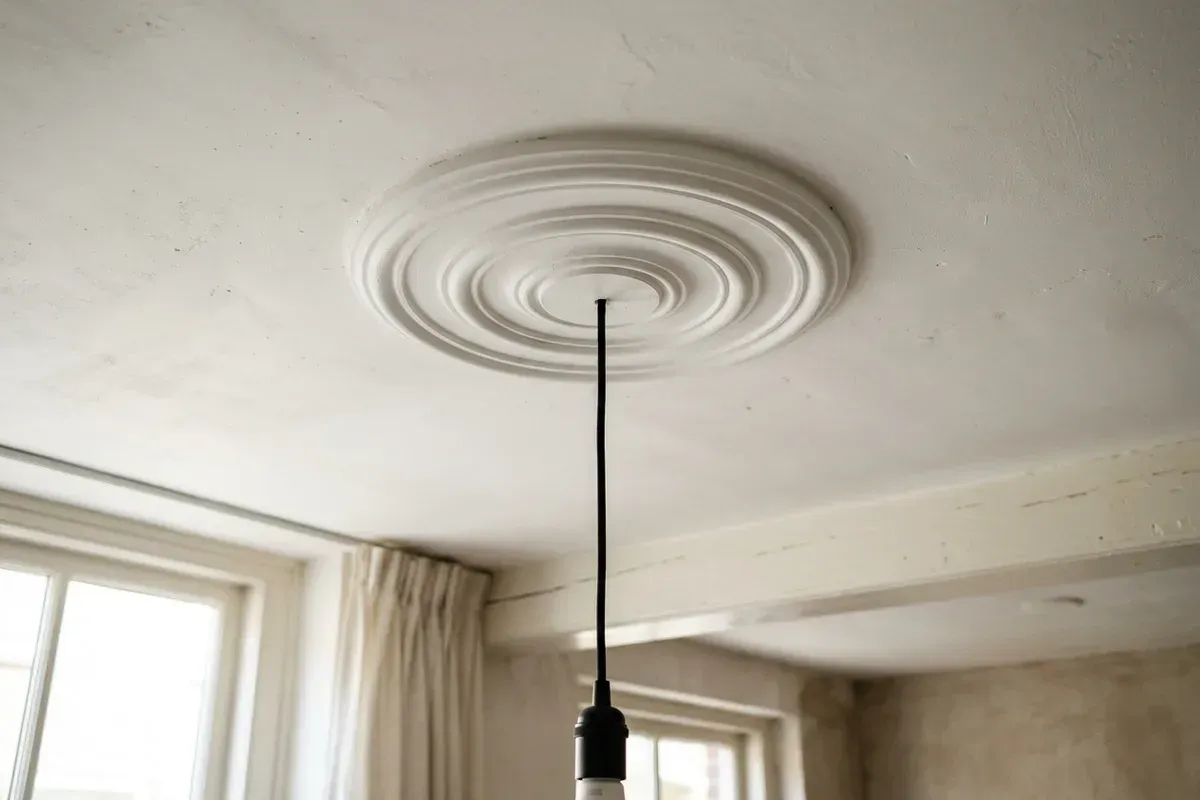
Simple roses with concentric rings, a stepped profile or a flat, round surface with a soft edge. They add a subtle accent around a pendant light and also suit a clean, contemporary interior.
Other ceiling ornaments
Besides roses, there are corner pieces, decorative borders and centrepieces in oval or rectangular shapes. These are also often combined with coving and decorative mouldings.
| Type | Shape | Suits |
|---|---|---|
| Classic ceiling rose | Round or oval, rich relief | Townhouses, high ceilings, period style |
| Modern ceiling rose | Rings or stepped profile | Clean interiors, pendant lights |
| Corner piece | Decorative element in ceiling corners | Ceilings with panelled mouldings |
| Decorative border | Continuous border on the ceiling | Frames and panel layouts on the ceiling |
What are ceiling roses made of?
Traditionally, ceiling roses are cast in plaster. Plaster allows very fine detail and suits classic plasterwork. However, it is heavy and fragile, and restoration calls for specialist work.
Today, ceiling roses are also available in lighter materials, such as polyurethane and polystyrene. These are easier to work with, but vary widely in quality and detail. Lightweight polystyrene ornaments are easily damaged and often give less crisp detail.
What should you look out for with a ceiling rose?
Size in proportion to the room
A ceiling rose should suit the size of the room, the ceiling height and the light. In a small room with a low ceiling, a large rose can quickly look heavy. In a tall, spacious room, a larger ornament can work well.
Position of the light point
The rose usually goes around the light point. If the light point is not in the centre of the room, or not where you want the light, it is sensible to have an electrician move it first.
Light and weight
A light should always hang from a secure fixing point in the ceiling. The rose itself is a decorative element and is usually not designed to carry the weight of a light.
Surface
The ceiling must be clean, dry and sound. Ceiling roses are generally glued in place, and heavier ones are fixed mechanically as well. Loose paint or plaster has to be repaired first.
Finishing
The joint between the rose and the ceiling is usually finished with a paintable acrylic caulk, after which the rose and ceiling can be painted the same colour. That way the rose becomes part of the ceiling.
Combining a ceiling rose with coving
A ceiling rose looks its best when it matches the rest of the ceiling. In period interiors, that usually means coving or a cornice that finishes the junction between wall and ceiling. The styles need to match: a richly decorated rose next to a sleek modern moulding can look busy.
Our article on coving and cornices explains which profiles there are and how to choose the right size. If you would also like to dress the walls, read about decorative mouldings in a modern interior.
Which light suits a ceiling rose?
A ceiling rose and a light reinforce each other when they match in style and size. A few points to consider:
- Pendant lights work best: the flex or chain comes out of the centre of the rose, so the rose frames the light.
- Large flush ceiling lights cover the centre of the rose. You then only see the edge, which limits the effect.
- Chandeliers have traditionally gone with classic ceiling roses. Pay extra attention to the weight and to a secure fixing point in the ceiling.
- Modern, minimalist lights combine well with a simple rose with rings. The contrast between a sleek light and a subtle ornament can work nicely.
Also allow for the cable and the ceiling cup of the light. A rose with an open centre leaves room for the connection; the light's cup must be able to sit neatly against it.
Ceiling rose in the ceiling colour or in contrast?
Usually the rose and the ceiling are painted the same colour. The ornament then stands out through the light and shadow in its relief, and the ceiling stays calm. In some period interiors, details are picked out in a slightly different shade. That is a deliberate style choice that has to suit the coving and the rest of the room. If in doubt, tone-on-tone is the safest choice.
Ceiling roses in a period property
In older properties, original ceiling roses and plaster ornaments are sometimes still in place. It is then often worth keeping them or having them restored, rather than replacing them. The other mouldings, such as skirting boards and cornices, can then be matched to the historic character.
An example of work in a period property is the historic home in Apeldoorn: a 19th-century building with walls that had settled out of true, where TipTop Plinten fitted made-to-measure skirting boards with respect for the historic character.
What can TipTop Plinten do for your ceiling?
TipTop Plinten fits decorative mouldings and coving, the mouldings that form the basis of a finished ceiling, whether classic or modern. That includes accurate mitres in the corners, a straight line along the ceiling and neat caulking. TipTop also fits wall panels and wall mouldings, architraves and skirting boards, so the mouldings throughout the room work together.
Do you have a specific idea for your ceiling, for example coving combined with an ornament? Get in touch to discuss what you have in mind and request a free, no-obligation quote. We are happy to talk in English, as well as Dutch, German, Turkish, Persian and Arabic. An on-site measurement is optionally available for €75 incl. VAT; this amount is credited as a discount on jobs above a minimum project size.
Frequently asked questions
A ceiling rose is a round, or sometimes oval, ornament fixed to the ceiling, usually around the point where a light hangs. It is a decorative element found mainly in period interiors, but there are also simple, modern versions.
Traditionally, ceiling roses are made of plaster. Today they are also available in lighter materials, such as various plastics. The material affects the weight, how fine the detail is and how the rose is fixed.
A light should always hang from a secure fixing point in the ceiling itself, not from the rose. The rose is a decorative element and is usually not designed to carry weight.
Yes, if you choose a simple profile with clean rings or a subtle relief. A rose in the same colour as the ceiling then adds calm and a small accent around the light, without making the interior look traditional.
TipTop Plinten fits decorative mouldings and coving, the mouldings that a ceiling rose is often combined with. If you have a specific idea for your ceiling, get in touch to discuss it.
Related articles
Mouldings & walls
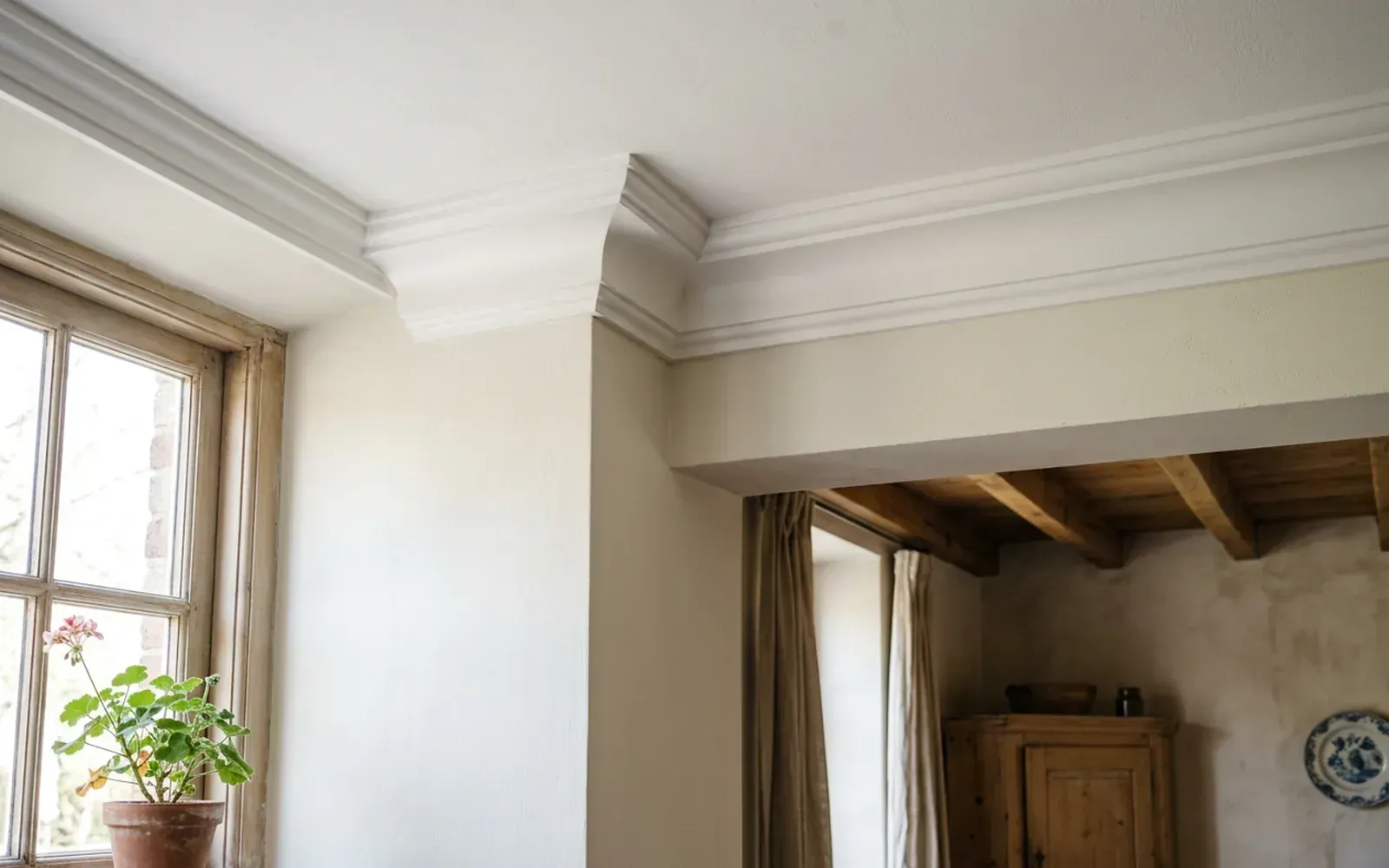
Coving and cornices: the difference, types and installation
Coving gives the transition between wall and ceiling a crisp finish and completes a room. We explain how it differs from a cornice, which profiles are available and how they are fitted.
Mouldings & walls
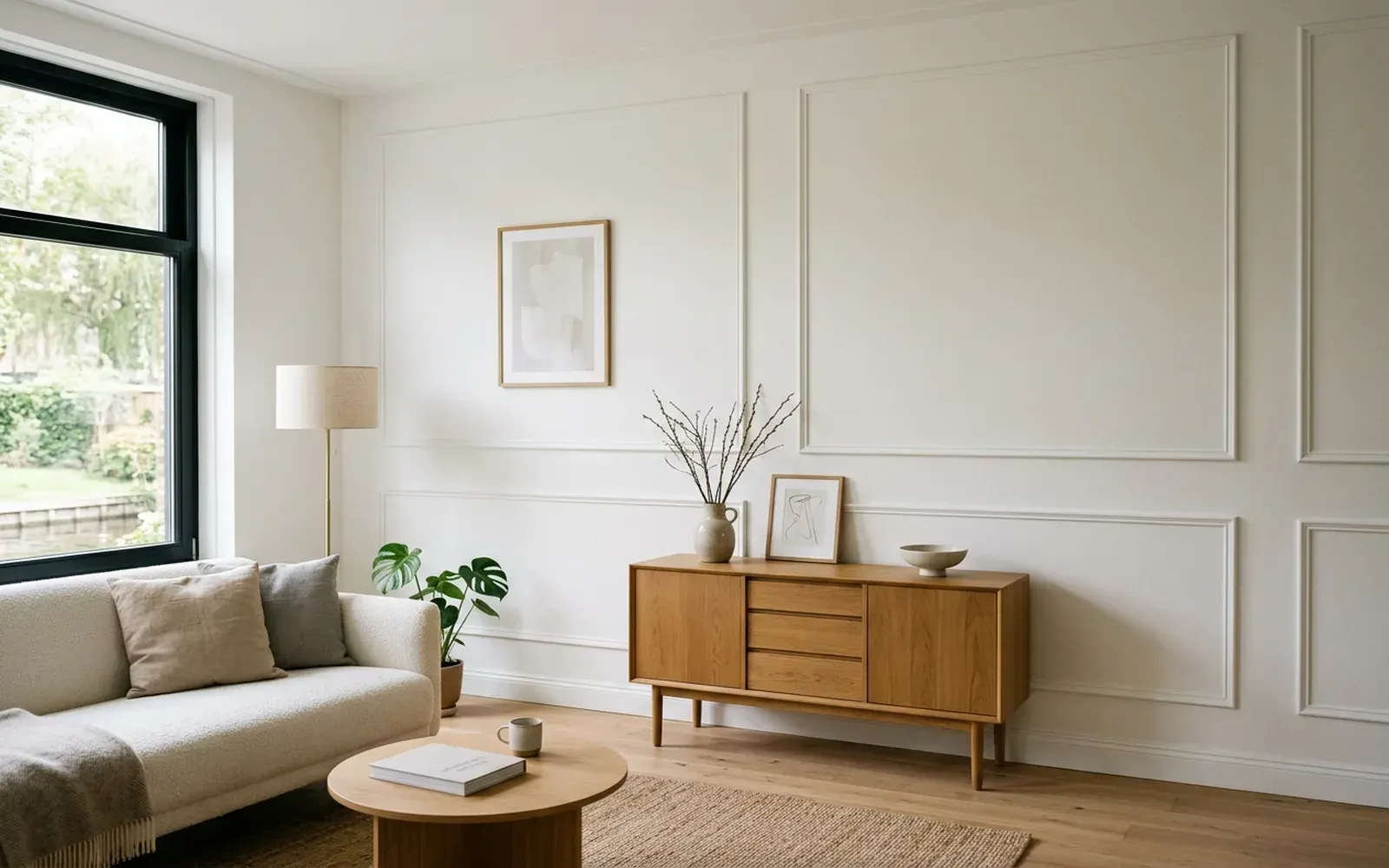
Decorative mouldings in a modern interior: how to use them with style
Decorative mouldings are not just for period properties. With a calm profile and the right colour, they give a modern interior depth and a refined look. Here is how to use them.
Related
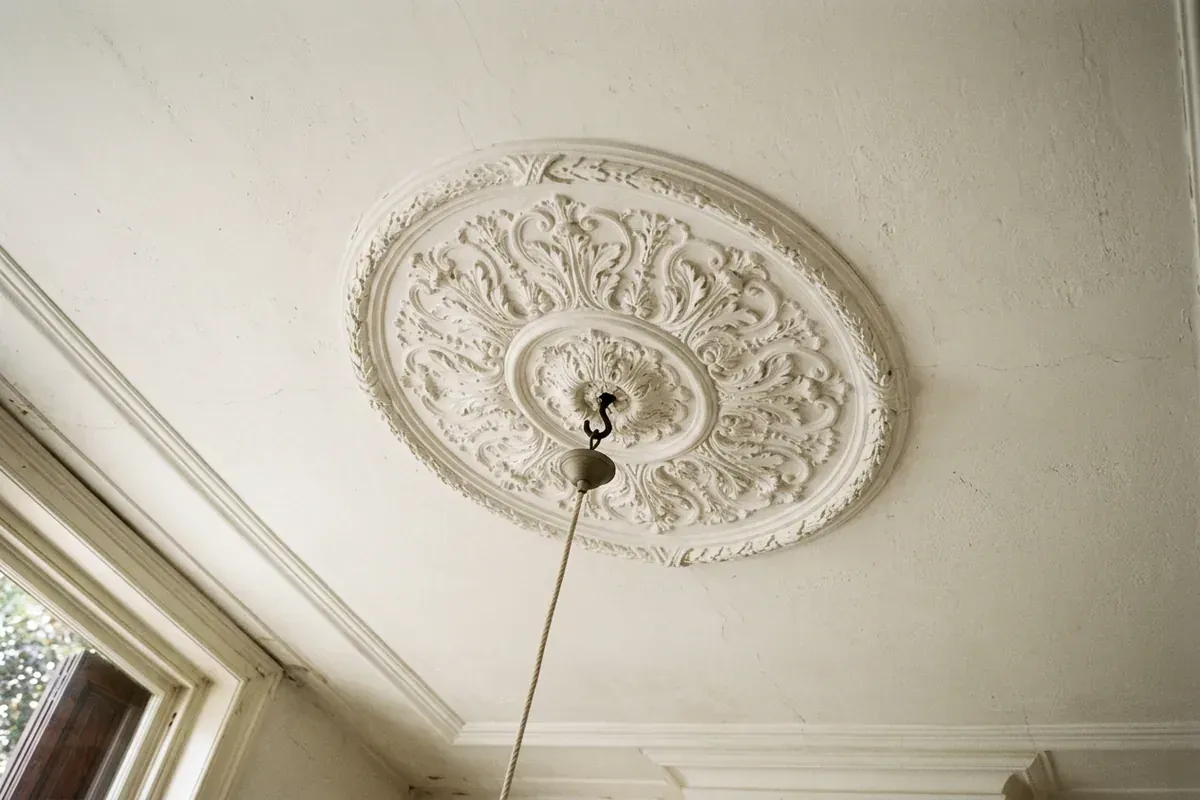
Ceiling rose
A ceiling rose is a round or decorative ornament on the ceiling, usually around the point where a light hangs. It gives a ceiling a classic centrepiece.
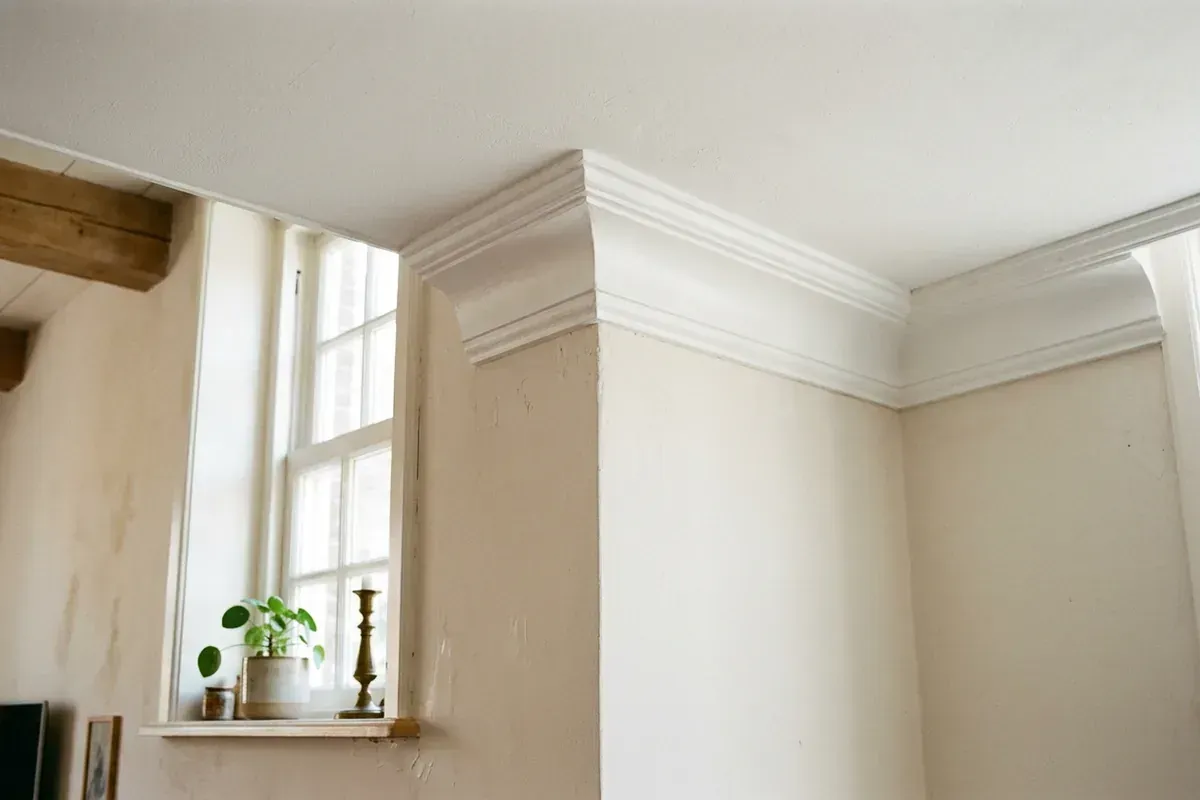
Coving
Coving finishes the corner between wall and ceiling. It hides hairline cracks and unevenness and gives a room a finished top edge.
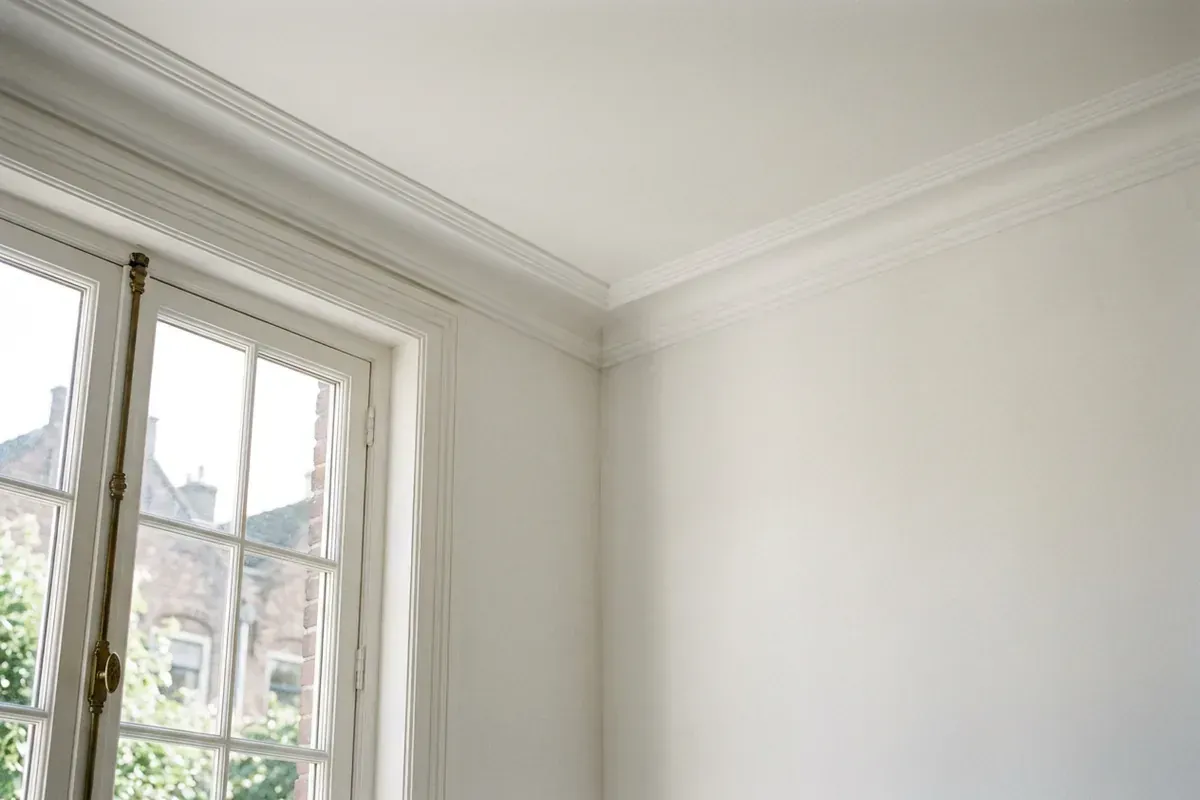
Cornice
A cornice is a richly profiled moulding that crowns the top of a wall. Indoors, it is the classic version of coving.
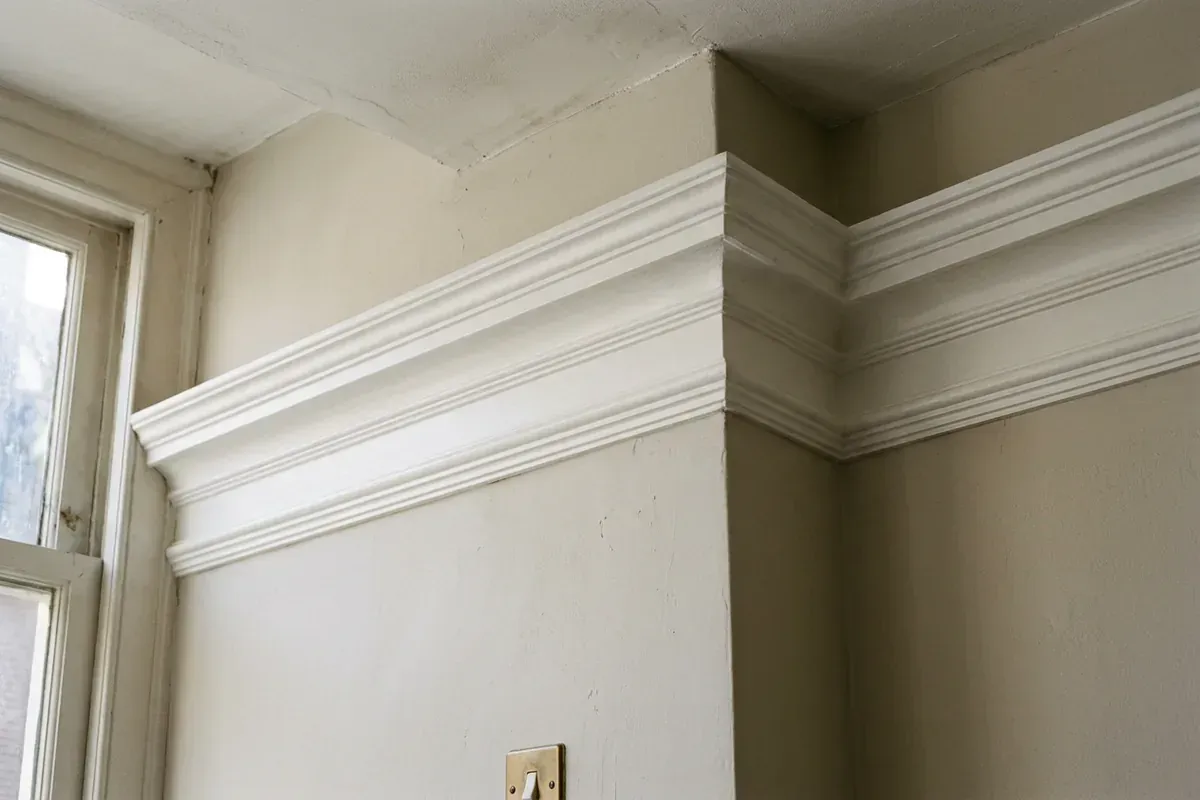
Decorative moulding
A decorative moulding is an ornamental profile on a wall or ceiling. It gives a room character, from classic ornament to a sleek modern line.
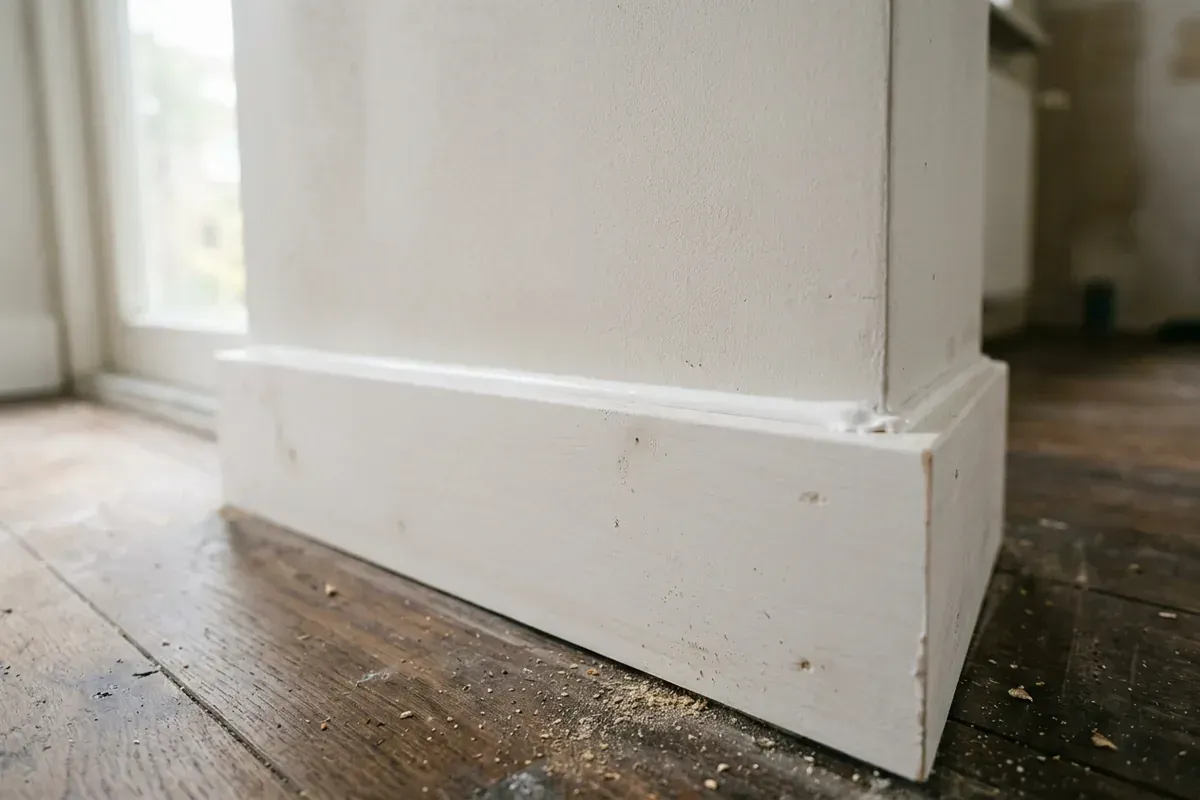
Acrylic caulk
Acrylic caulk is a water-based sealant that can be painted once cured. It is the usual choice for skirting boards, mouldings and frames in dry rooms.
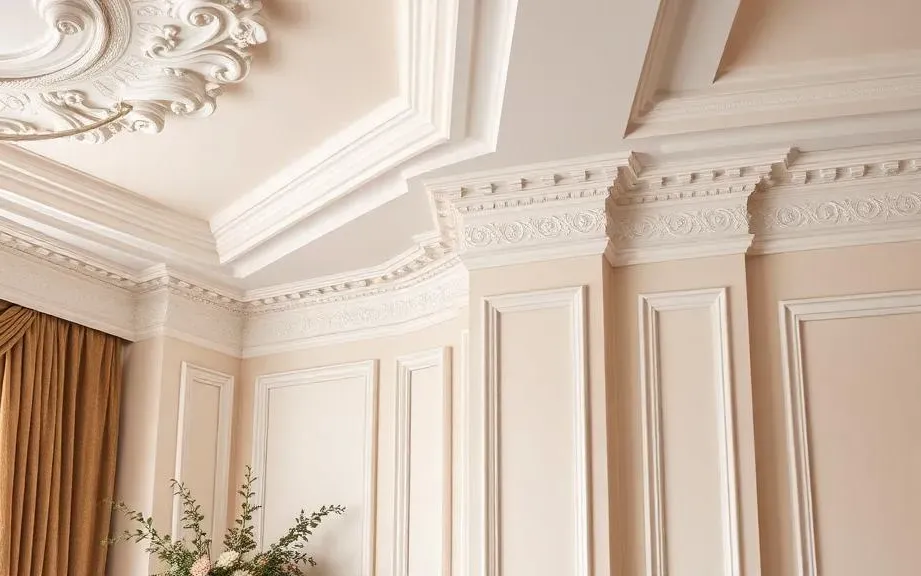
Decorative mouldings and coving installation
Decorative mouldings and coving give a room character. TipTop Plinten fits them in classic or minimal modern styles, with precise mitres and clean caulking.
Skirting board installation? Request a free quote
On-site measurement €75 incl. VAT (credited for orders above a minimum project size)