
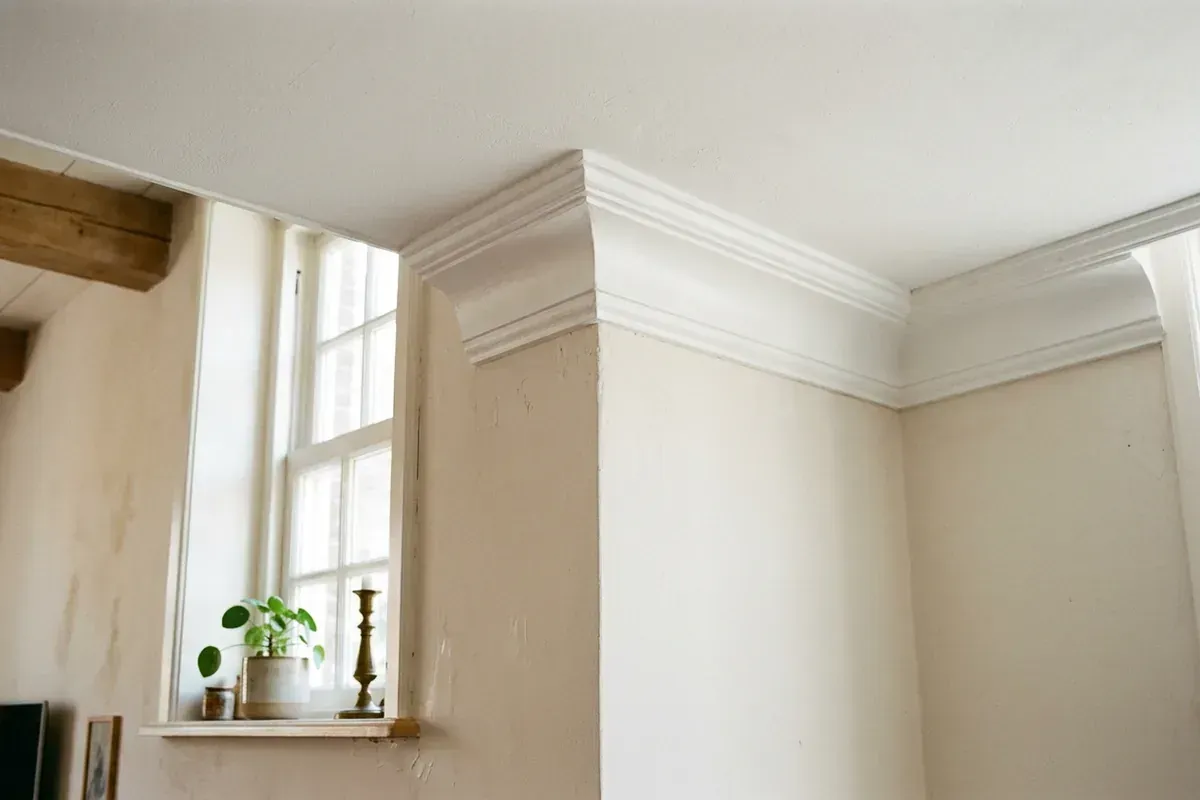
Coving is a moulding fitted in the corner between wall and ceiling. It finishes the transition, hides small cracks and irregularities in that corner and gives the room a defined top edge. Coving comes in simple, sleek shapes as well as richer classic profiles.
What is coving?
Coving is fitted at an angle in the corner, touching both the wall and the ceiling. Well-known shapes are:
- Cove: a simple, curved shape.
- Stepped coving: with several lines and steps in the profile.
- Cornice: a larger, richly profiled type, often in classic interiors.
- Sleek angle moulding or LED coving: modern, sometimes with space for indirect lighting.
Coving is available in materials including MDF, timber, plaster and rigid foam. The material is chosen on the basis of profile, weight and finish.
Where is it used?
In living rooms, bedrooms and halls, as well as in hotels and offices. In older buildings it replaces or restores original mouldings; in new builds it gives a flat ceiling more character. With a new suspended ceiling, it also finishes the junction with the wall.
What should you look out for?
- Corners: coving usually needs a compound mitre joint, because the moulding sits at an angle against wall and ceiling.
- Straightness: ceilings are rarely perfectly flat. The coving is positioned so the line looks calm, and the joints are filled.
- Weight: heavier mouldings are fixed mechanically as well as glued.
- Caulking: the joints at the top and bottom are caulked with paintable acrylic caulk.
- Painting: after caulking, the coving is finished in the wall or ceiling colour.
You can read more in coving and cornices.
At TipTop Plinten
TipTop Plinten installs coving, classic or sleek and modern, including the mitres and the caulking. Read more about decorative mouldings and coving.
Frequently asked questions
Often, yes. Coving covers the corner where hairline cracks appear as the building moves. With recurring or large cracks, it is wise to have the cause looked at first.
That depends on the ceiling height and the style. In an average living room, narrow to medium profiles work well; in rooms with a high ceiling, wider mouldings or a cornice can look good.
Related
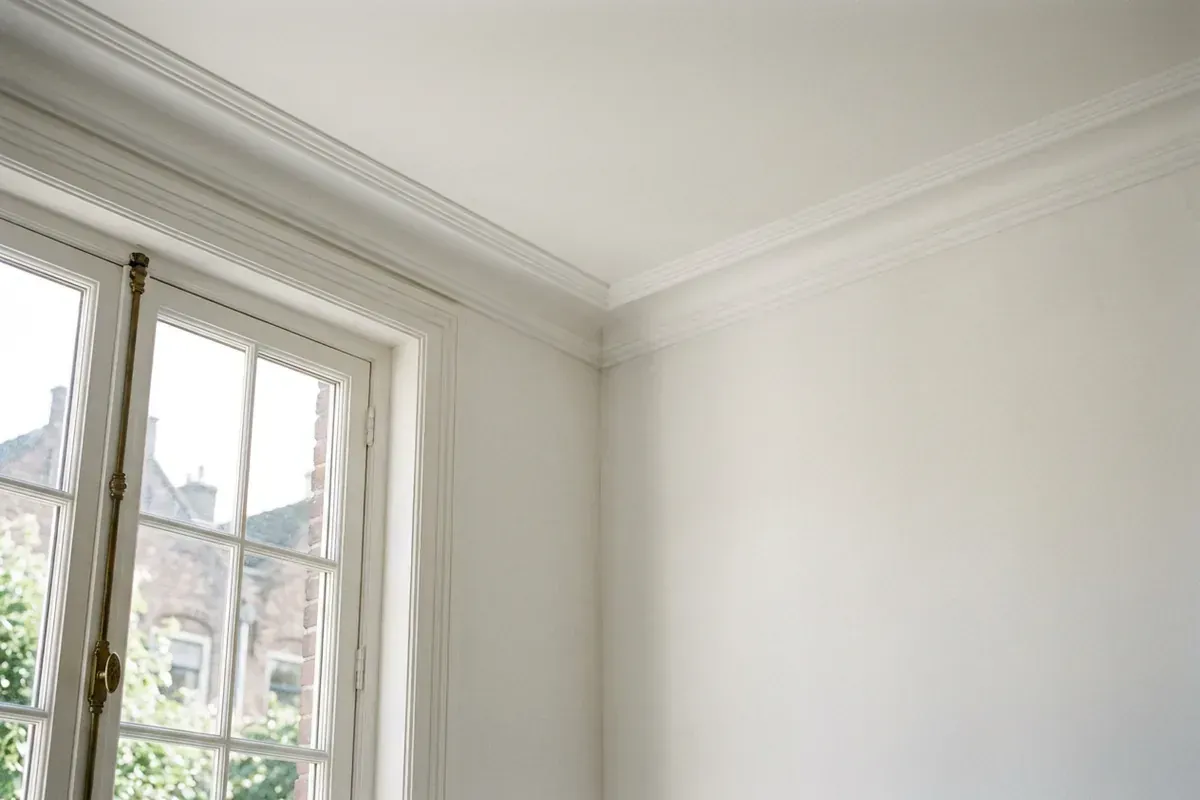
Cornice
A cornice is a richly profiled moulding that crowns the top of a wall. Indoors, it is the classic version of coving.
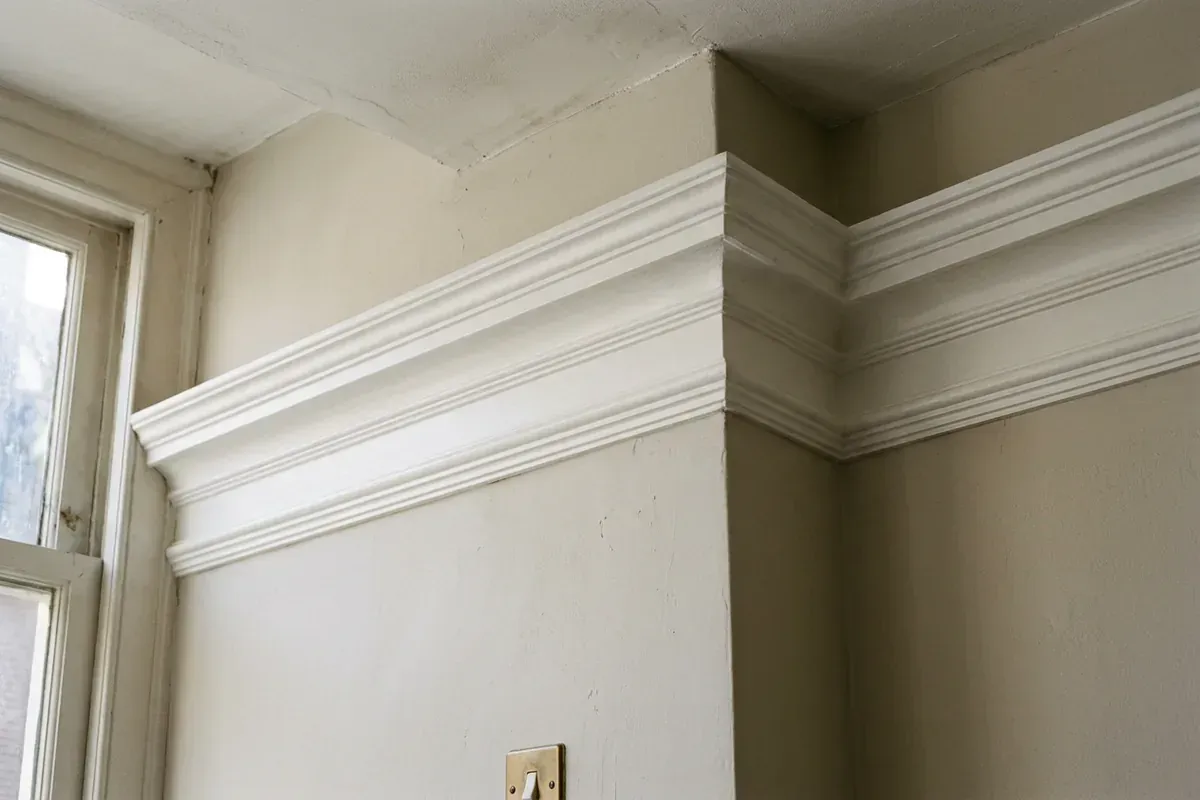
Decorative moulding
A decorative moulding is an ornamental profile on a wall or ceiling. It gives a room character, from classic ornament to a sleek modern line.
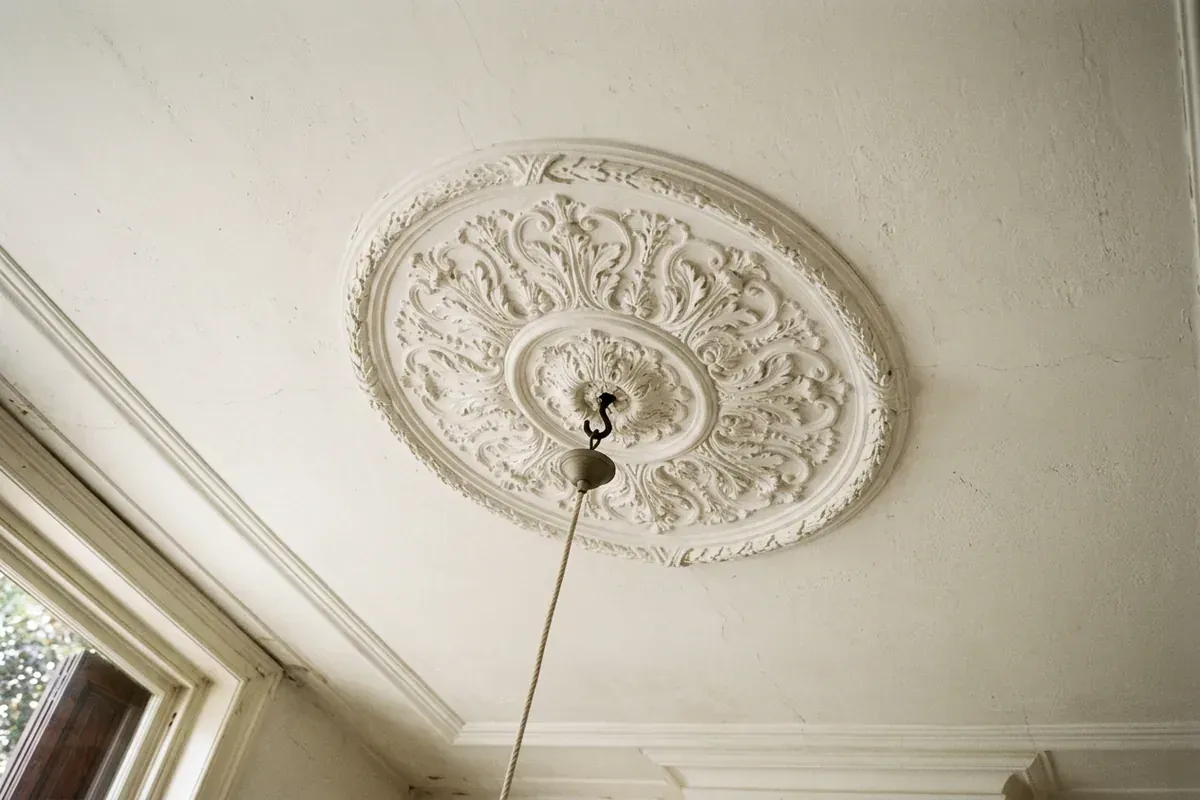
Ceiling rose
A ceiling rose is a round or decorative ornament on the ceiling, usually around the point where a light hangs. It gives a ceiling a classic centrepiece.
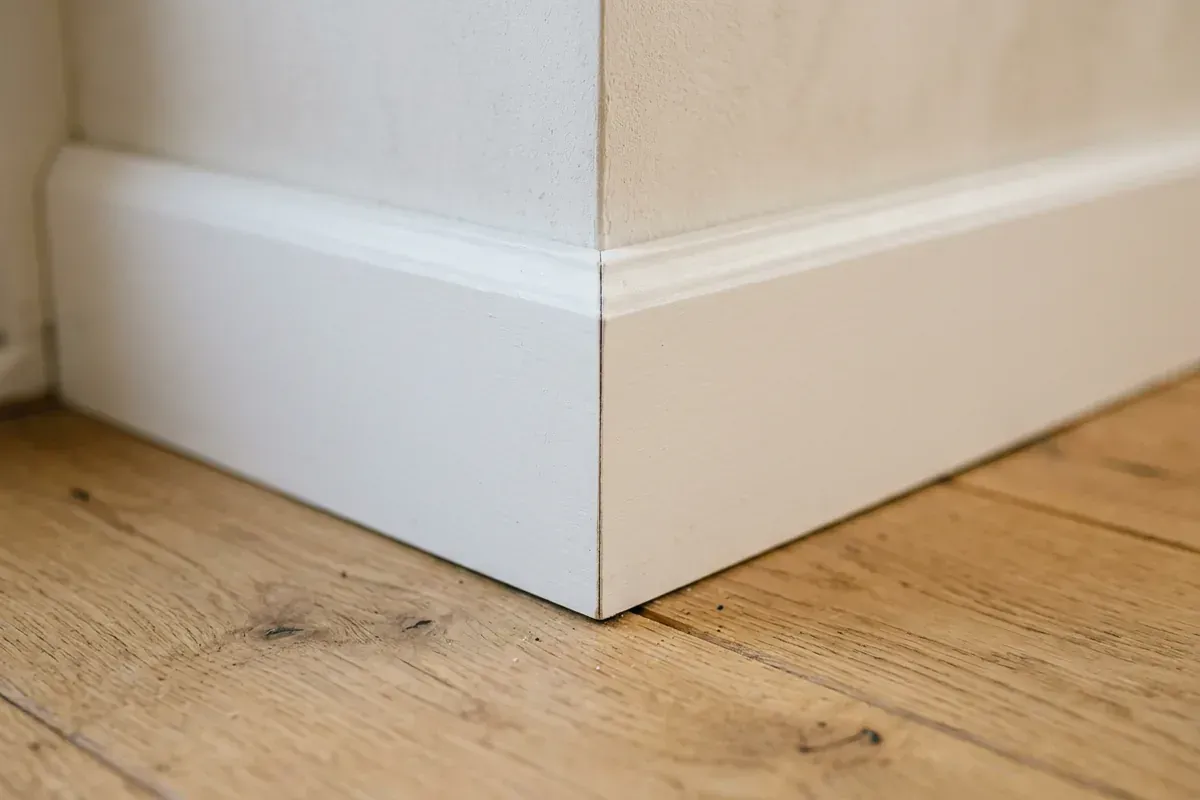
Mitre joint
A mitre is an angled cut that lets two mouldings meet seamlessly in a corner. For a right angle, that is usually 2 x 45 degrees.
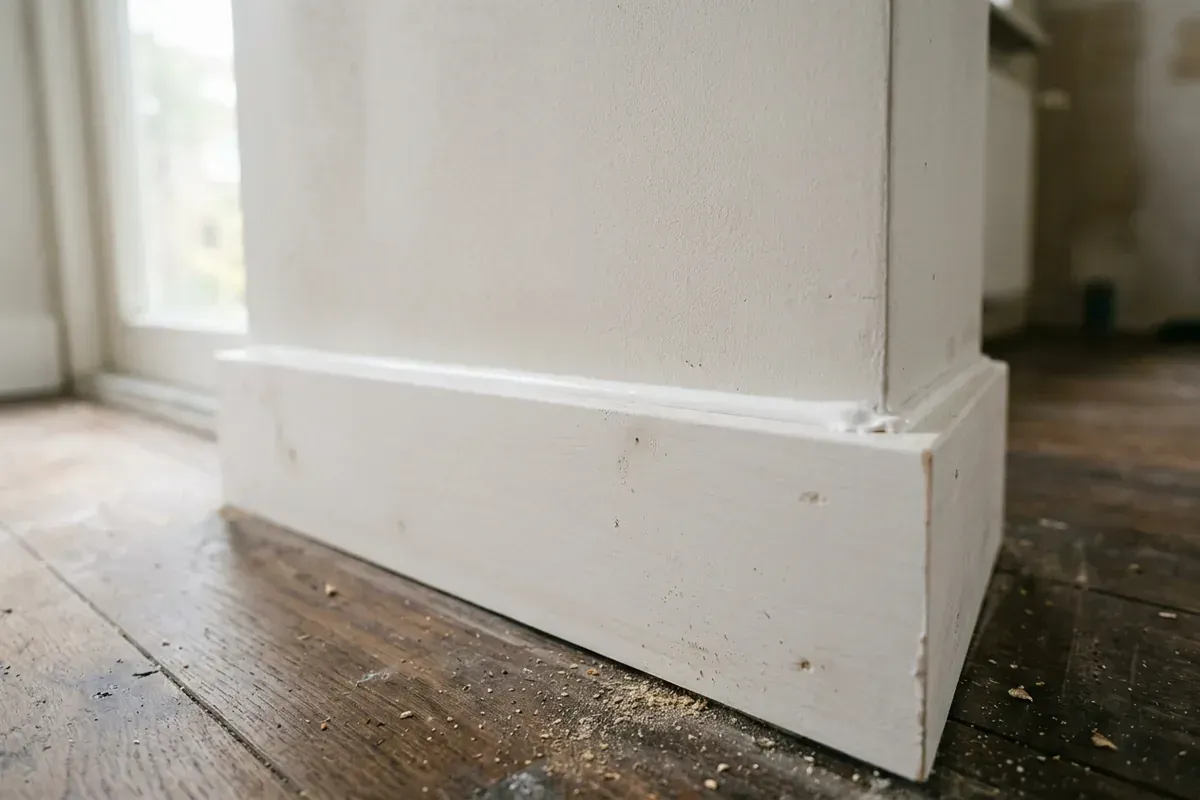
Acrylic caulk
Acrylic caulk is a water-based sealant that can be painted once cured. It is the usual choice for skirting boards, mouldings and frames in dry rooms.
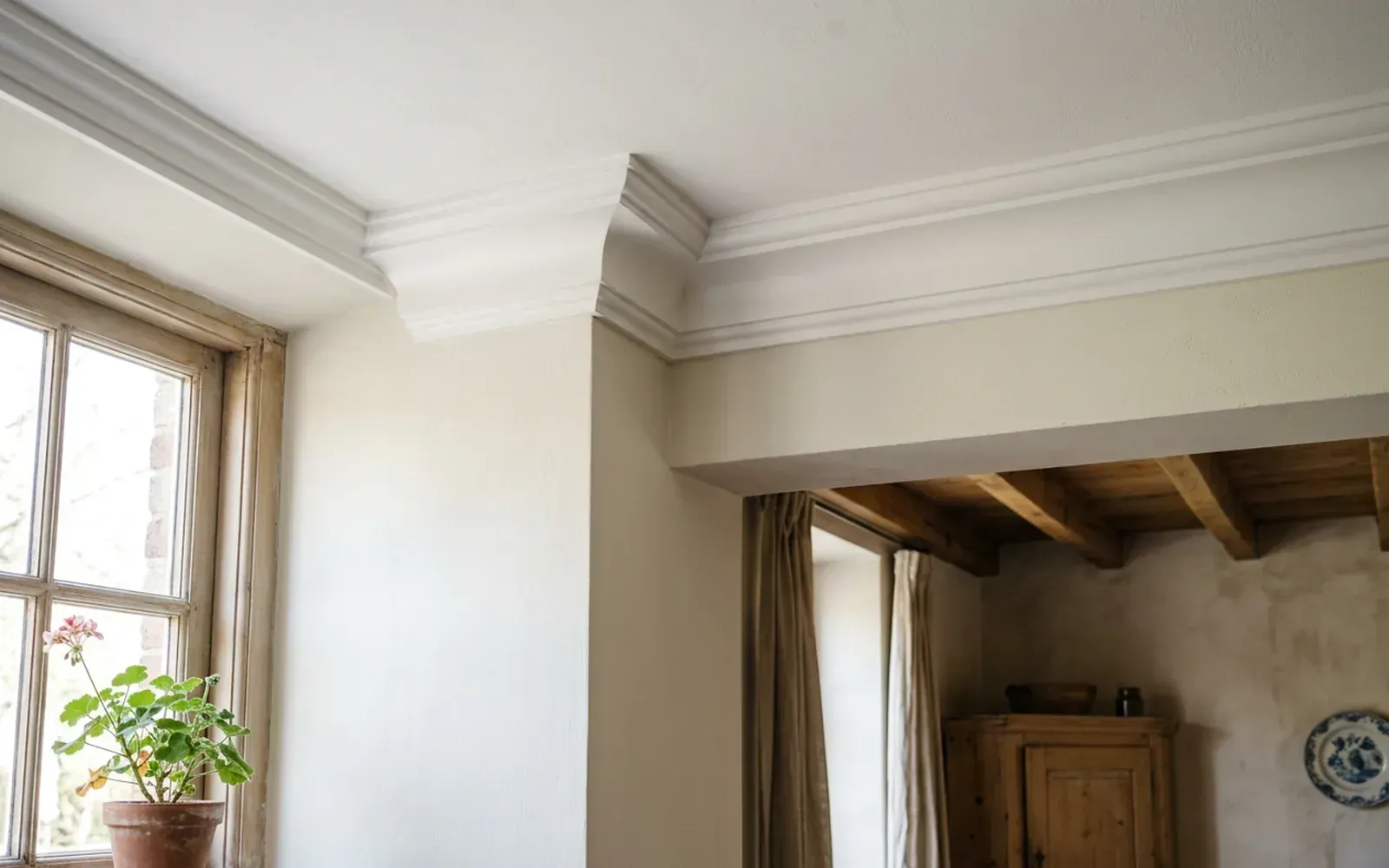
Mouldings & walls
Coving and cornices: the difference, types and installation
Coving gives the transition between wall and ceiling a crisp finish and completes a room. We explain how it differs from a cornice, which profiles are available and how they are fitted.
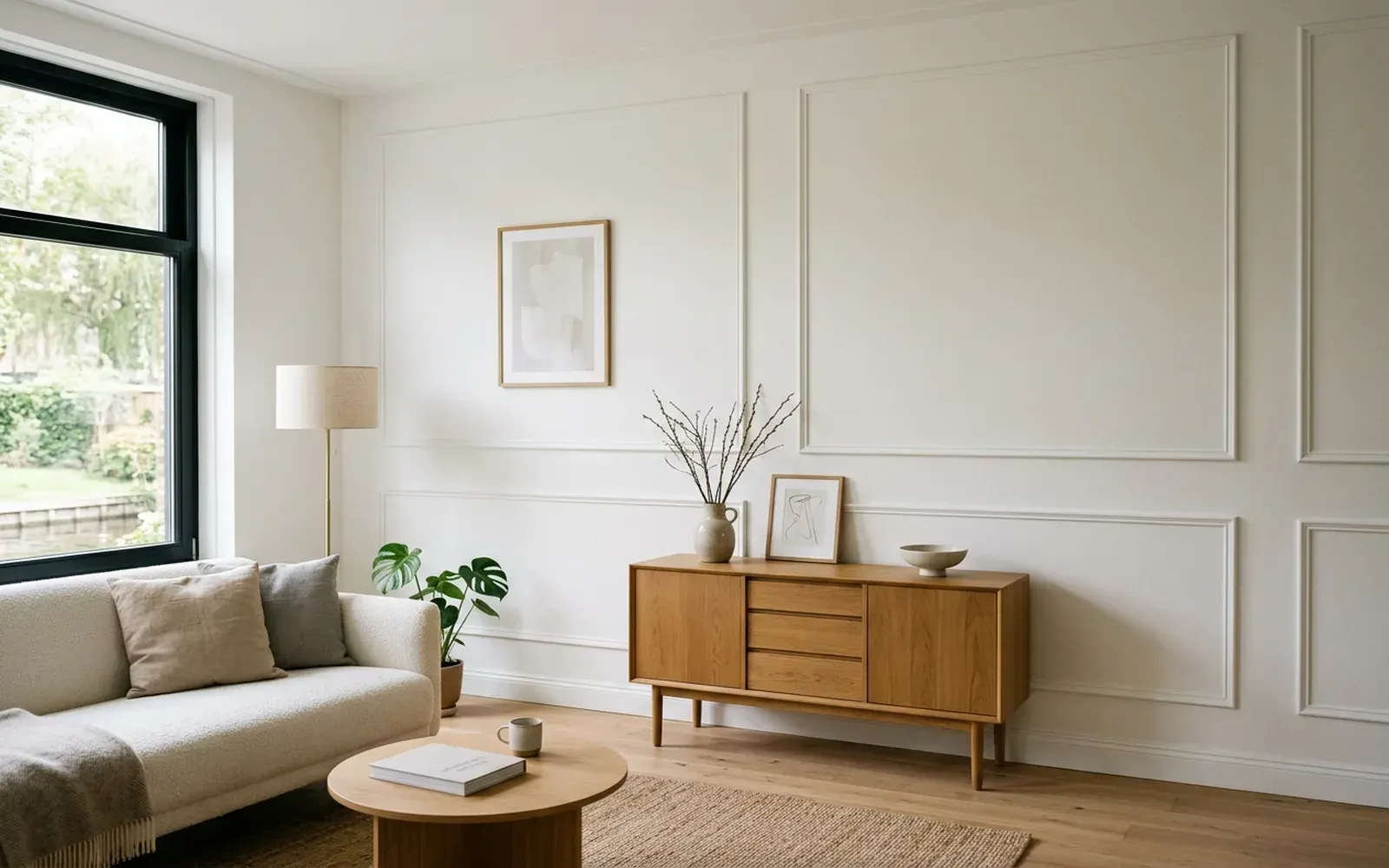
Mouldings & walls
Decorative mouldings in a modern interior: how to use them with style
Decorative mouldings are not just for period properties. With a calm profile and the right colour, they give a modern interior depth and a refined look. Here is how to use them.
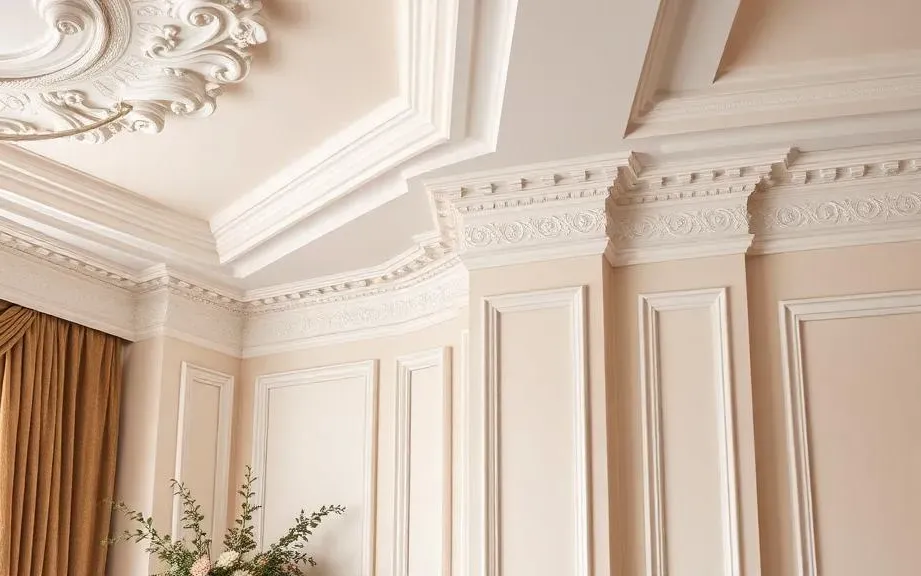
Decorative mouldings and coving installation
Decorative mouldings and coving give a room character. TipTop Plinten fits them in classic or minimal modern styles, with precise mitres and clean caulking.
Skirting board installation? Request a free quote
On-site measurement €75 incl. VAT (credited for orders above a minimum project size)