
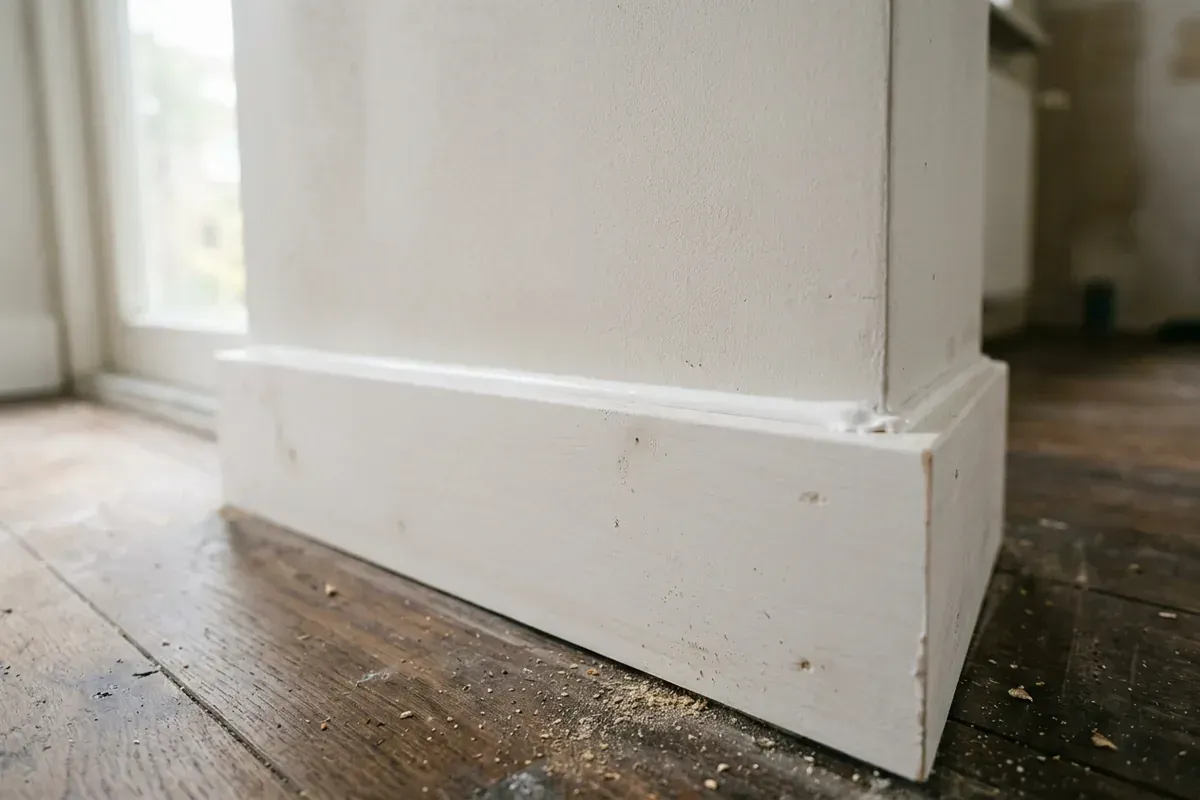
Acrylic caulk, also known as decorator's caulk or acrylic sealant, is a water-based sealant that can be painted once it has cured. It is the standard choice for the joints between skirting boards, mouldings, frames and the wall in dry rooms. Acrylic caulk is slightly flexible, easy to smooth and simple to paint over, so the joint disappears from view.
What is acrylic caulk?
Acrylic caulk consists of an acrylic dispersion, fillers and water. After application the water evaporates and the caulk cures into a slightly flexible mass. Its main properties:
- Paintable: once sufficiently cured, it can be painted with emulsion or gloss.
- Slightly flexible: it absorbs small movements, but less than silicone sealant.
- Water-based: while fresh it can be worked and cleaned up with water.
- Shrinkage: acrylic caulk shrinks slightly as it dries. Deep joints may need a second pass.
Where is it used?
- Along the top edge of skirting boards.
- Around architraves, door trims and frames.
- Along coving, decorative mouldings and wall mouldings.
- In the joints of wall panels and when making mouldings paint-ready.
What should you look out for?
- Not in wet zones: around baths, showers and worktops, silicone sealant is the better choice.
- Joint width: suitable for narrow joints. Wider gaps should be filled first, for example with backer rod.
- Colour: white is standard; with a coloured skirting board the caulk is painted along with it or chosen in a matching colour.
- Smooth finish: tool the caulk smooth straight after application and remove any excess.
- Drying time: only paint once the caulk is paintable according to the packaging.
You can read more in caulking skirting boards: which sealant should you use?.
At TipTop Plinten
TipTop Plinten works with acrylic caulk and silicone sealant, depending on the location. Along skirting boards and mouldings the joint is finished neatly, either paint-ready or in colour. Read more about caulking and finishing.
Frequently asked questions
Acrylic caulk is not suitable for joints that come into direct contact with water, such as around a bath, shower or washbasin. Silicone sealant is the usual choice there. In parts of a bathroom that stay dry, such as around a door frame, acrylic caulk is fine.
That depends on the product, the depth of the joint, the temperature and the humidity. The packaging states when the caulk can be painted. Painting too early can cause small cracks in the paint.
Related
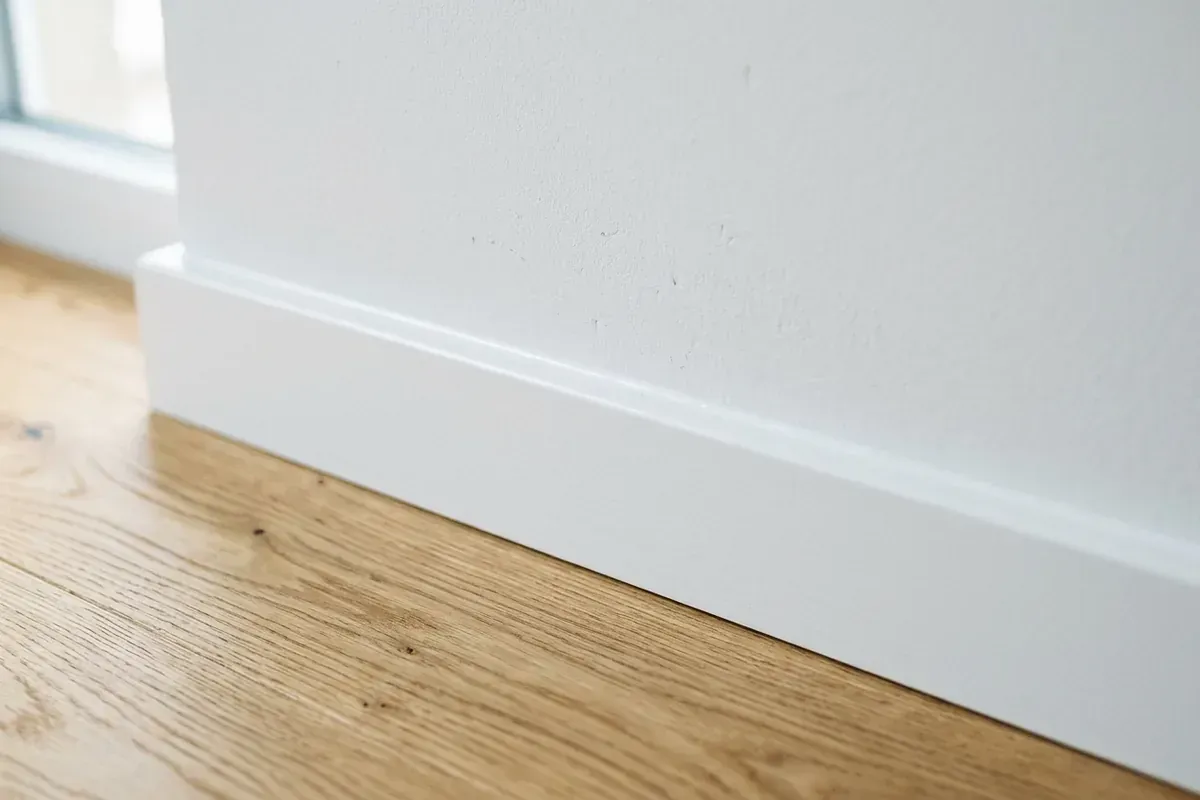
Caulking
Caulking means sealing joints with a flexible sealant. With skirting boards and mouldings, it makes the transition to the wall crisp and seamless.
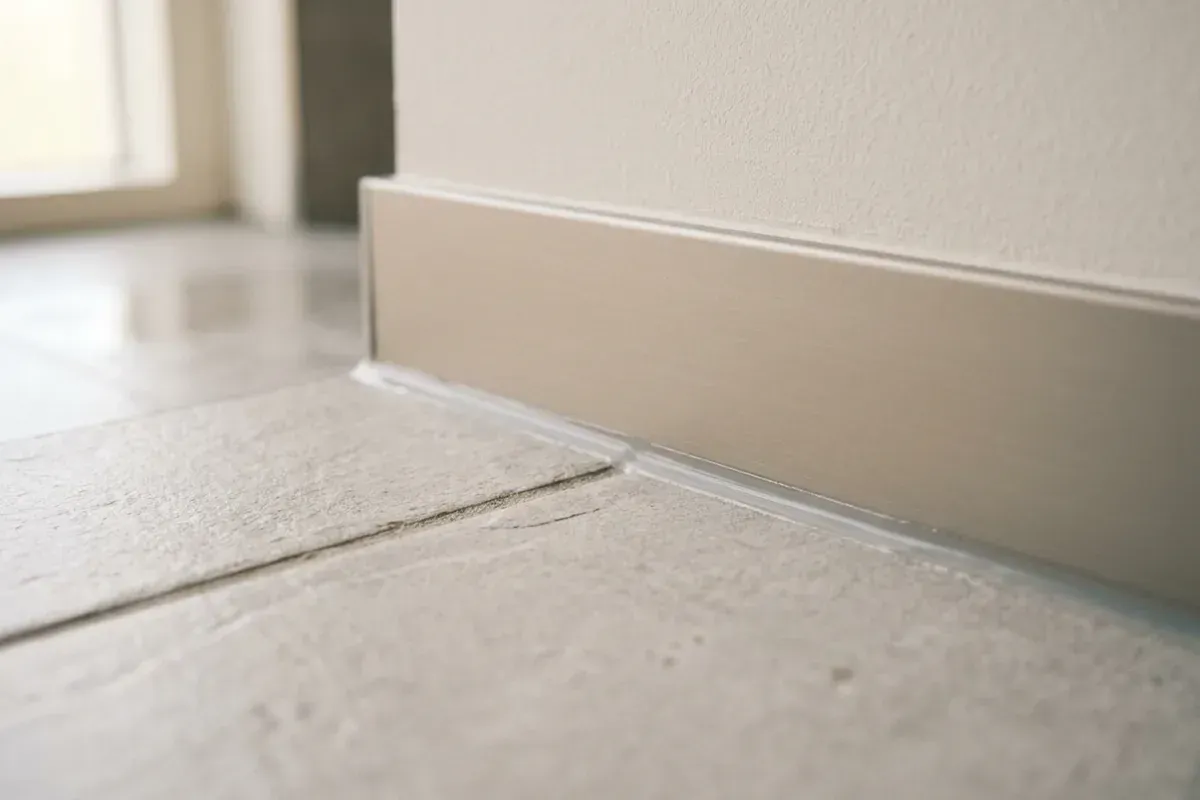
Silicone sealant
Silicone sealant is highly flexible and water-resistant, but cannot be painted. It belongs in wet rooms, not along painted skirting boards.
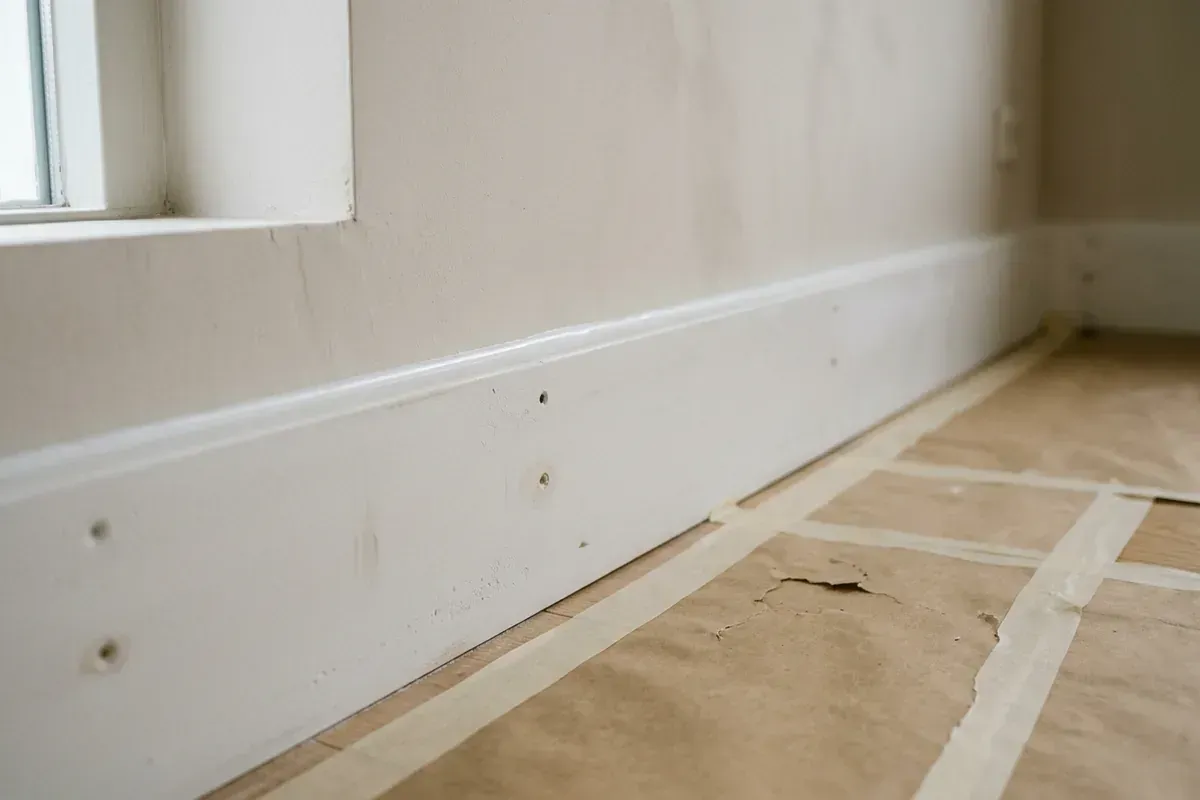
Paint-ready
Paint-ready means skirting boards and mouldings have been fitted, filled and caulked, so only the final coat of paint still needs to be applied.
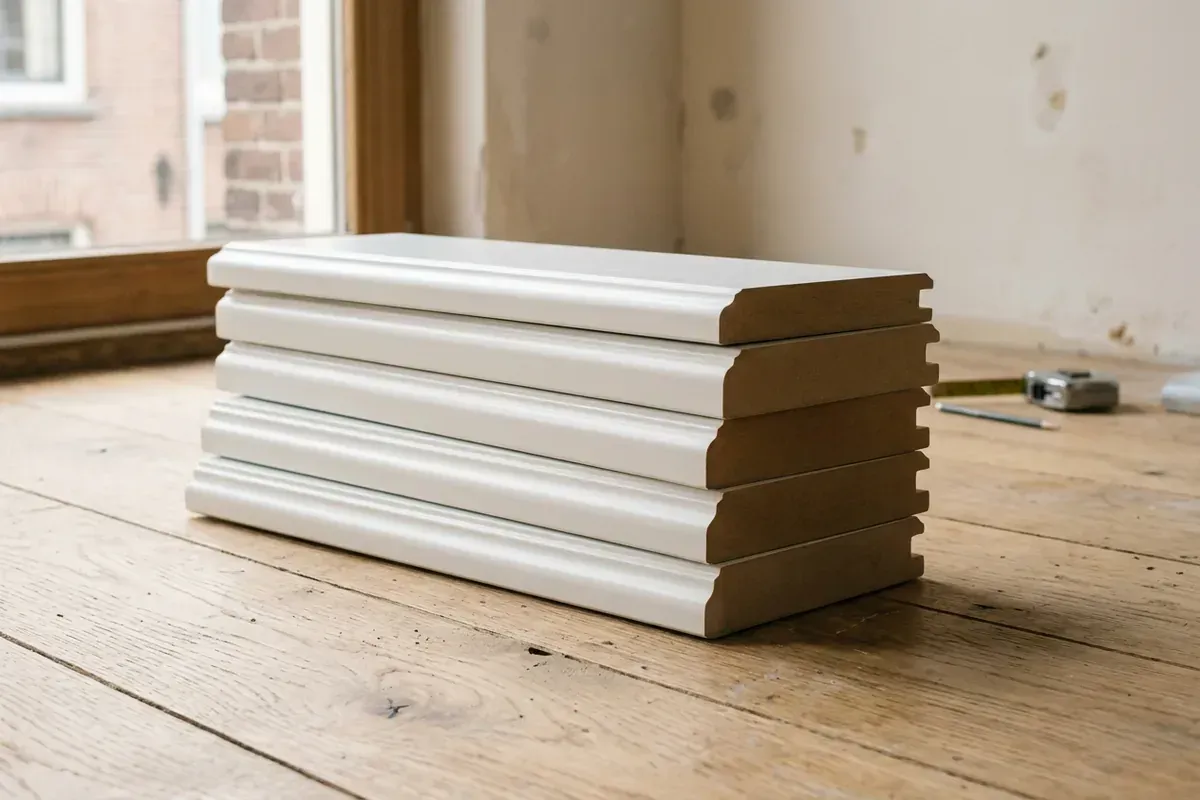
Pre-finished skirting
Pre-finished skirting has already been painted at the factory. That saves painting, but the joints and corners need neat touching up.
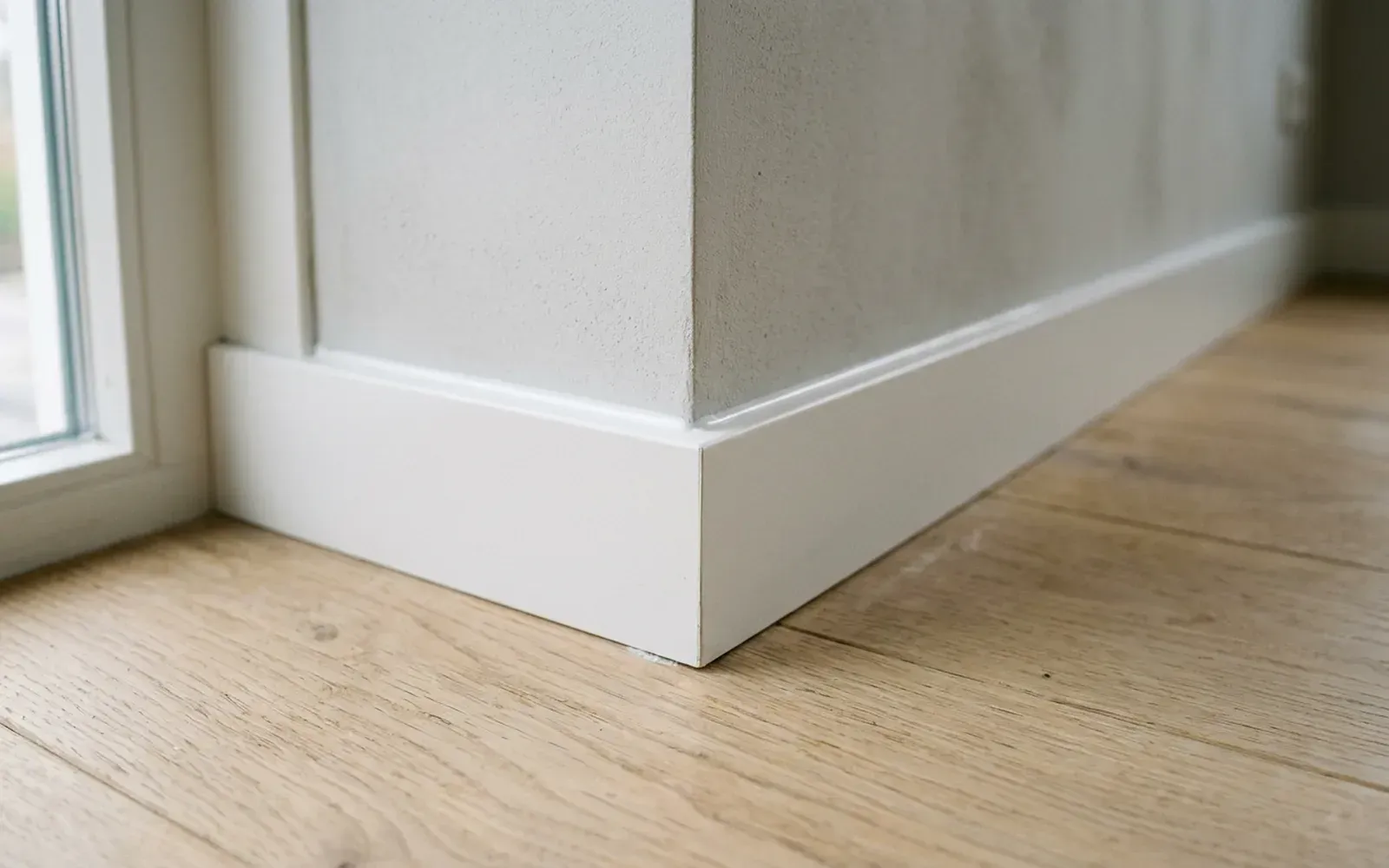
Installation & finishing
Caulking skirting boards: which sealant should you use and how do you get a neat finish?
For the joint between skirting board and wall you use paintable acrylic caulk, and silicone only where water is involved. Here is how to run a clean caulk line.
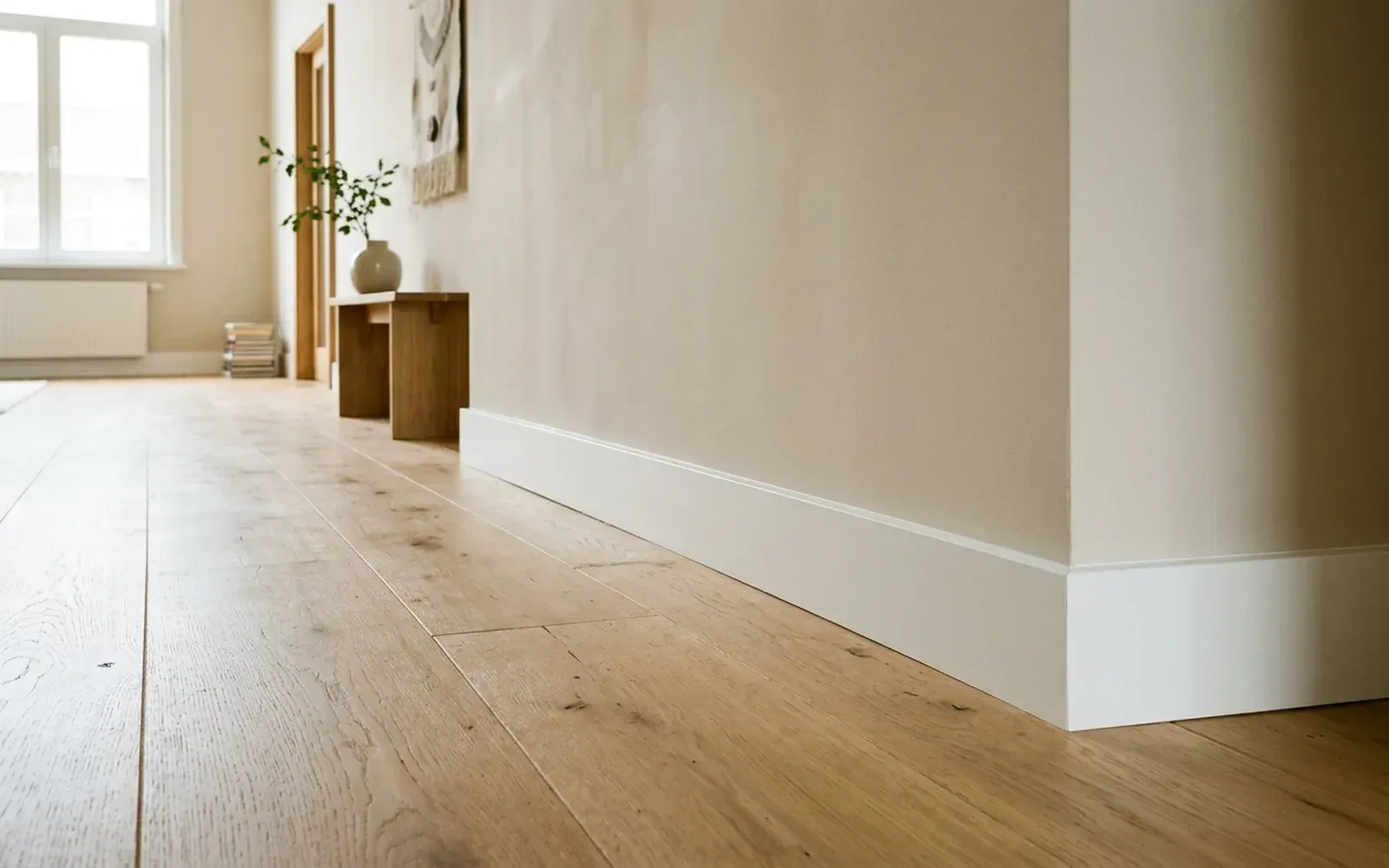
Installation & finishing
Painting skirting boards or choosing pre-finished: which is the smarter option?
Pre-finished skirting boards are ready straight away, while painting them yourself gives more freedom in colour. Here is how to choose and how to paint skirting boards neatly.
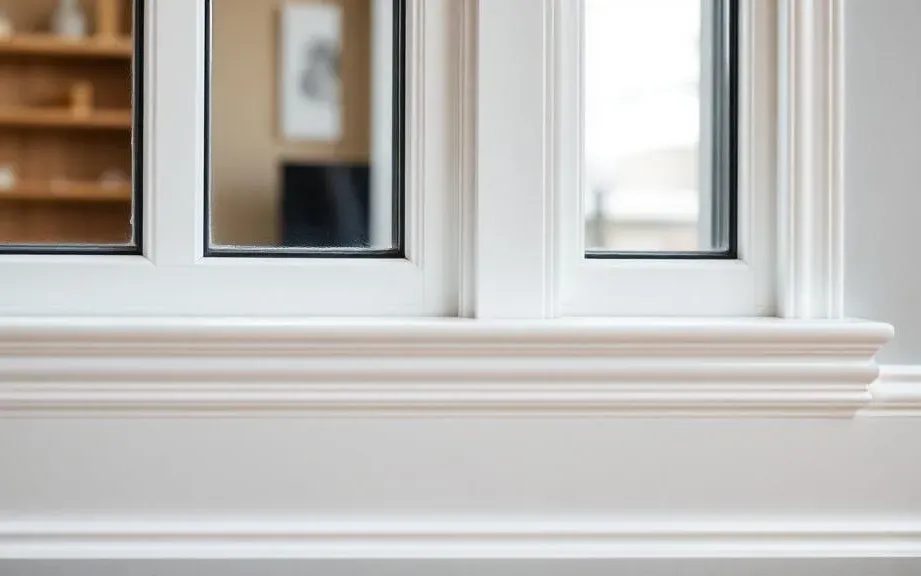
Caulking skirting boards and sealant work for a seamless finish
Caulking is the final step that makes skirting boards, mouldings and panels look seamless. TipTop Plinten uses acrylic or silicone, paint-ready or in colour.
Skirting board installation? Request a free quote
On-site measurement €75 incl. VAT (credited for orders above a minimum project size)