
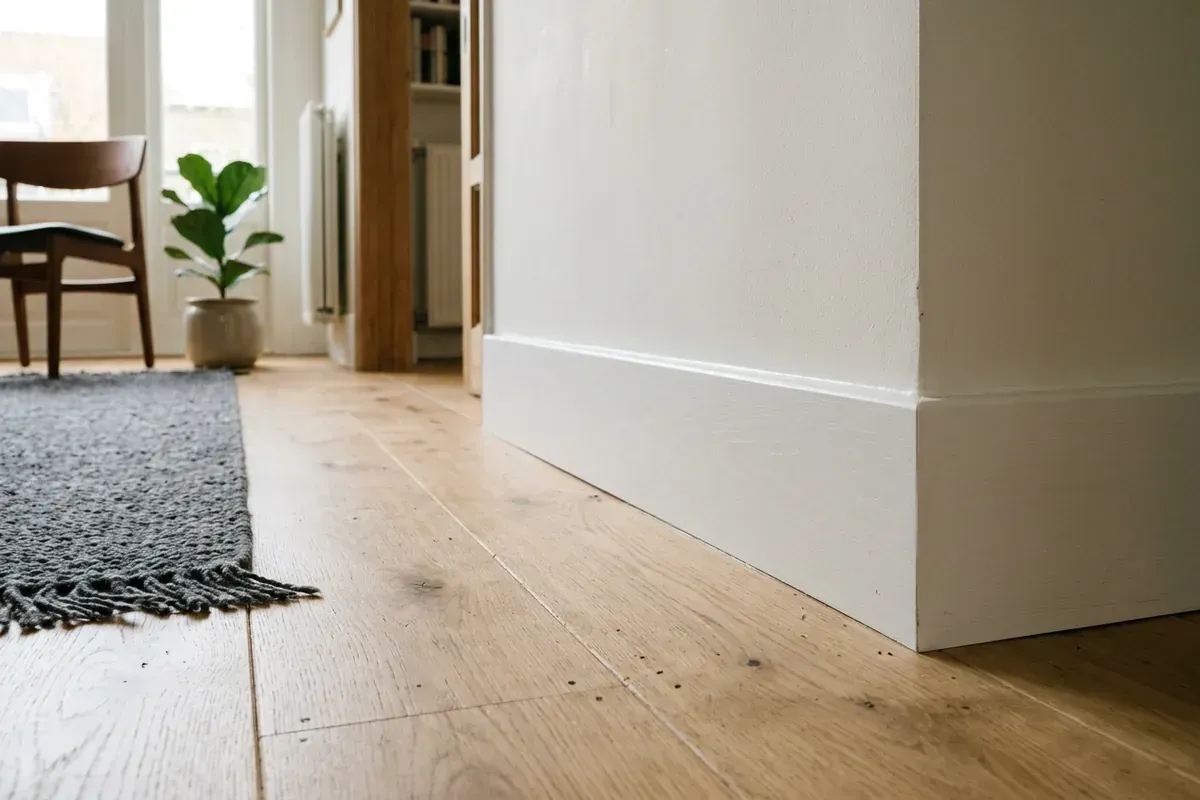
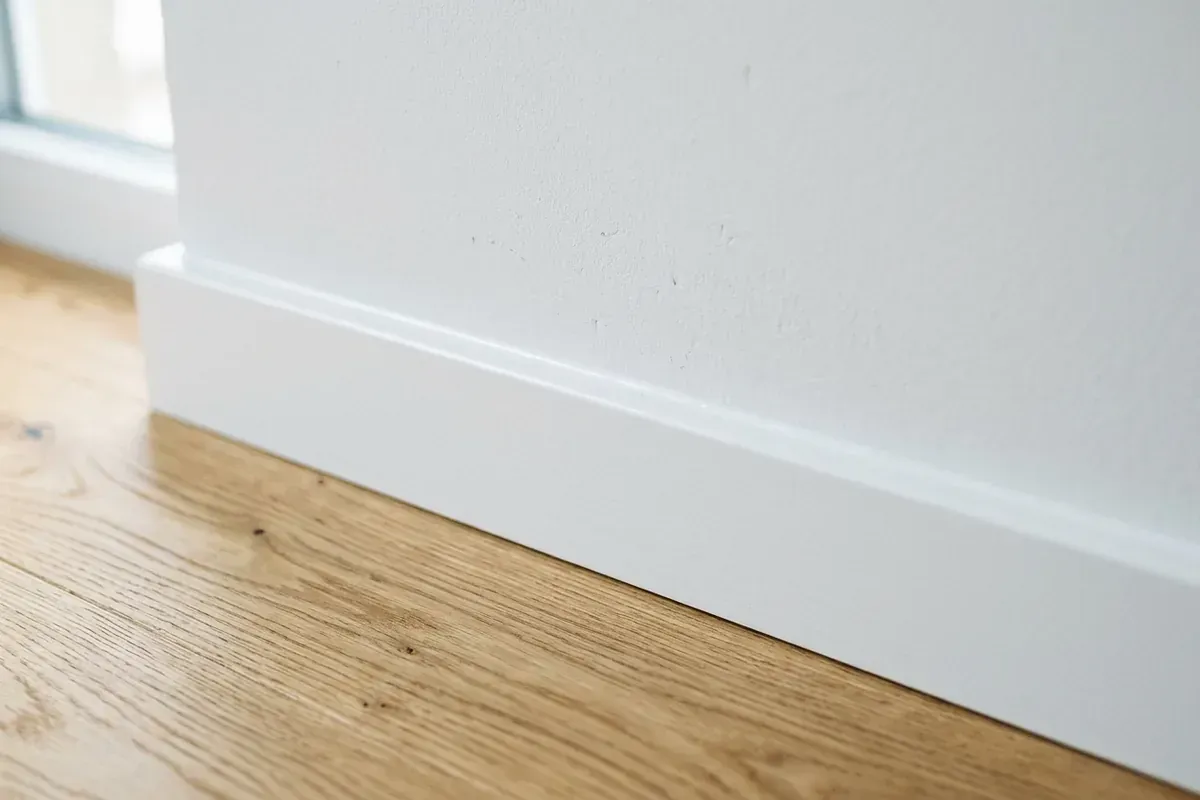
A skirting board is a moulding fixed at the base of the wall, exactly where the floor meets the wall. The skirting board covers the joint between the two, protects the bottom of the wall from knocks and moisture from cleaning, and gives a room a finished look. With floating floors, the skirting board also hides the perimeter gap the floor needs in order to move.
What is a skirting board?
At its simplest, a skirting board is a board or profile from a few centimetres up to around 20 centimetres high. The face can be straight and plain or profiled, as with classic skirting boards with a rounded or stepped top edge. Skirting boards are measured by the linear metre and usually cut as a mitre joint at the corners.
Commonly used materials are MDF, solid wood, aluminium and plastic.
Where are skirting boards used?
Skirting boards are found almost everywhere a floor meets a wall: living rooms, bedrooms, halls, stairwells, offices and hotel rooms. In wet rooms such as bathrooms, tiled skirting or a sealant joint is more often chosen.
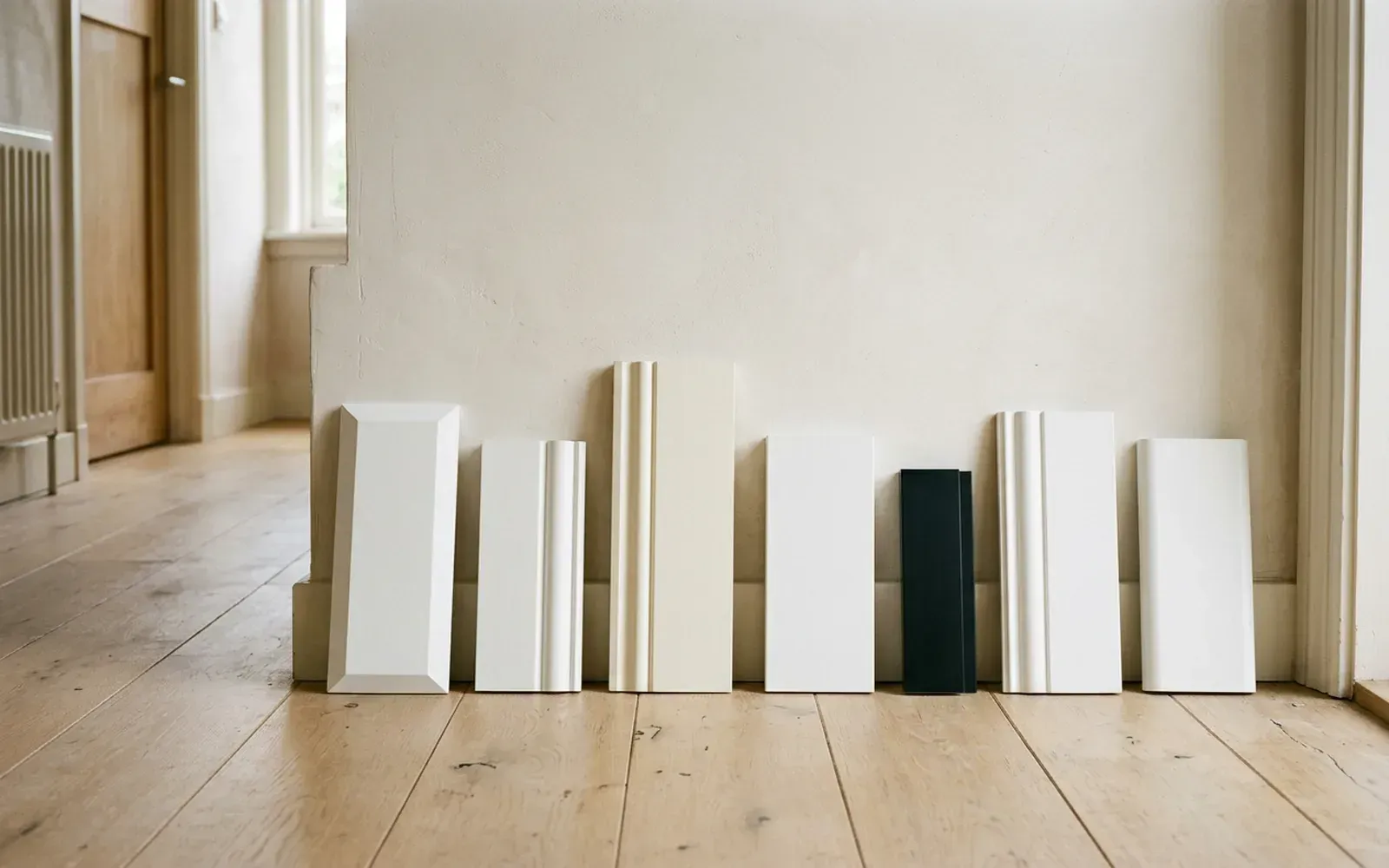
There are many variants, such as tall skirting, overlay skirting that fits over an existing skirting board, cable skirting and shadow gap skirting.
What should you look out for?
- Height: match the skirting height to the ceiling height and the style of the interior.
- Material: MDF is stable and easy to paint; solid wood suits classic interiors; aluminium suits sleek, modern rooms.
- Colour: in the wall colour, skirting blends in; in a contrasting colour it becomes a feature.
- Floor type: with a floating floor, the skirting is fixed to the wall and not to the floor.
- Finish: crisp caulking along the top edge makes the difference between neat and truly finished.
You can find more help choosing in the checklist for choosing skirting boards.
At TipTop Plinten
TipTop Plinten fits skirting boards in MDF, solid wood and aluminium, finished in any RAL colour. Plastic skirting is deliberately not fitted. Installation works with herringbone, vinyl, laminate, parquet and tiled floors, including on uneven walls. Read more about skirting board installation.
Frequently asked questions
Strictly speaking no, but in most homes it is sensible. A skirting board covers the joint between floor and wall, hides the expansion gap on floating floors and protects the bottom of the wall from knocks and dirt from the vacuum cleaner or mop.
A floor trim usually means a narrow finishing strip, such as quadrant beading, that only covers a gap along the floor. A skirting board is taller, stands against the wall and also has a protective and decorative function.
Related
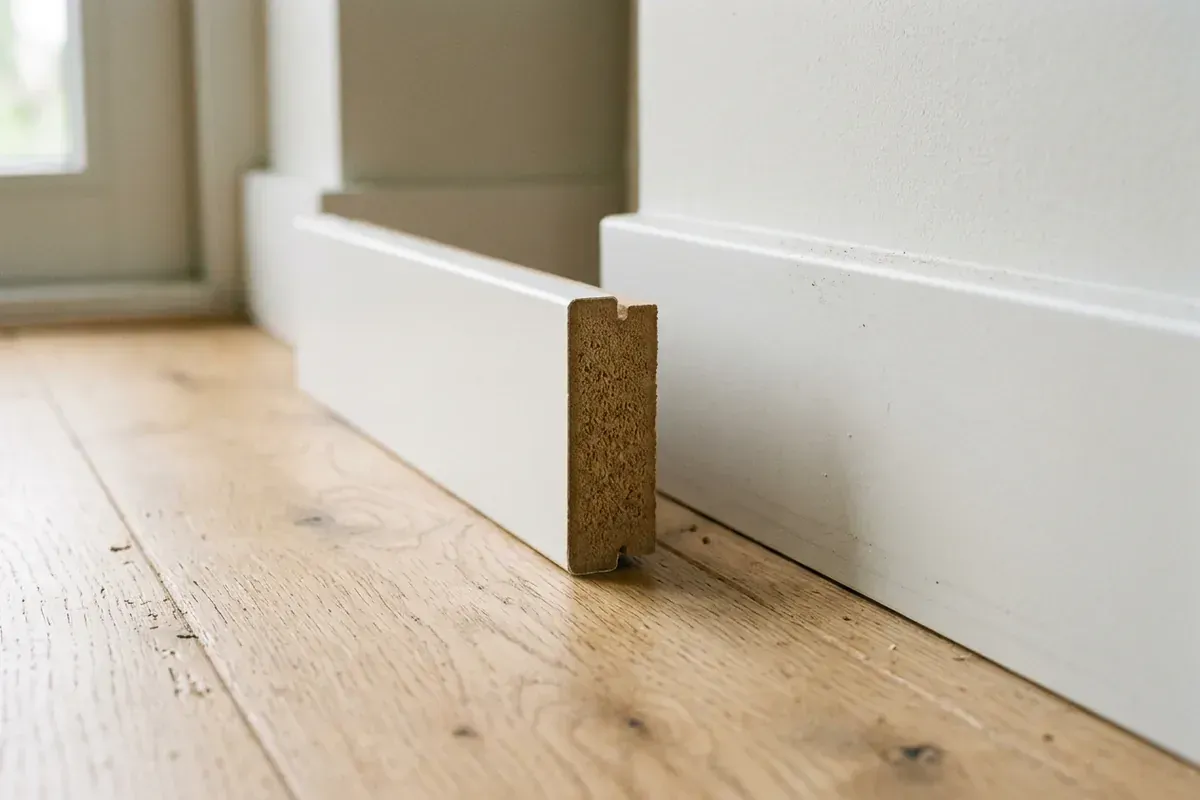
MDF
MDF is a sheet material made of pressed wood fibres. It is stable, smooth and easy to paint, which makes it the most popular material for skirting boards.
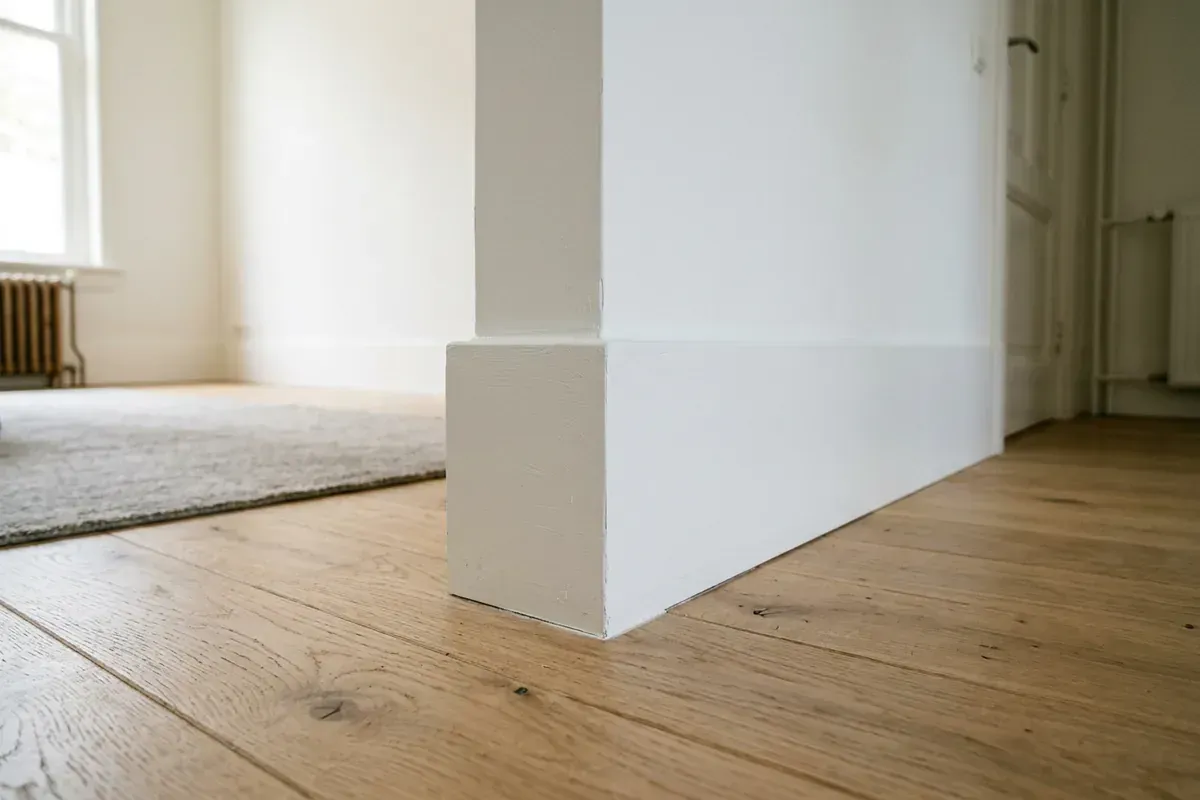
Tall skirting
Tall skirting is usually 12 cm or higher. It gives a room calm and elegance, provided the height suits the ceiling and the interior.
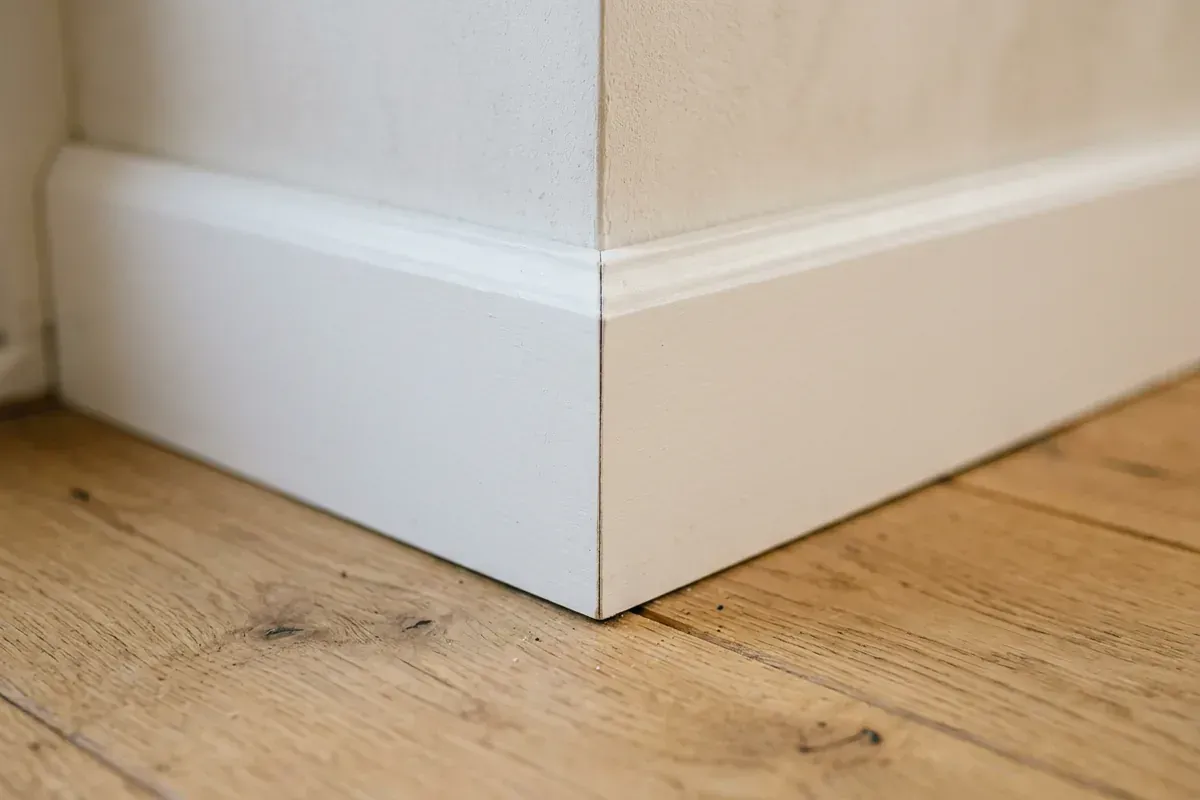
Mitre joint
A mitre is an angled cut that lets two mouldings meet seamlessly in a corner. For a right angle, that is usually 2 x 45 degrees.
Caulking
Caulking means sealing joints with a flexible sealant. With skirting boards and mouldings, it makes the transition to the wall crisp and seamless.
Linear metre
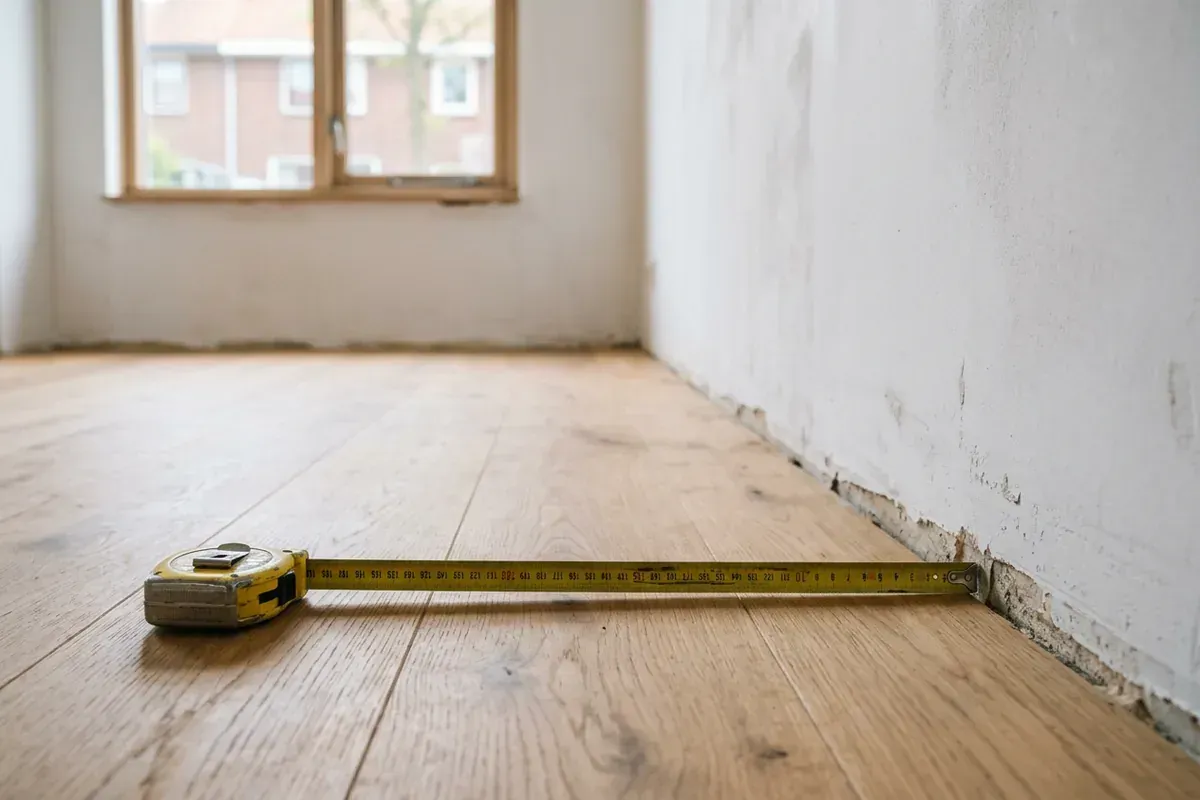
A linear metre is a metre measured along the length, regardless of width or height. Skirting boards and mouldings are measured and ordered this way.
Choosing skirting
Which skirting boards to choose? A checklist for types, height and colour
Not sure which skirting boards to choose? This checklist takes you through every decision, from material and height to colour, floor and fixing, so you choose a skirting board that fits.
Choosing skirting
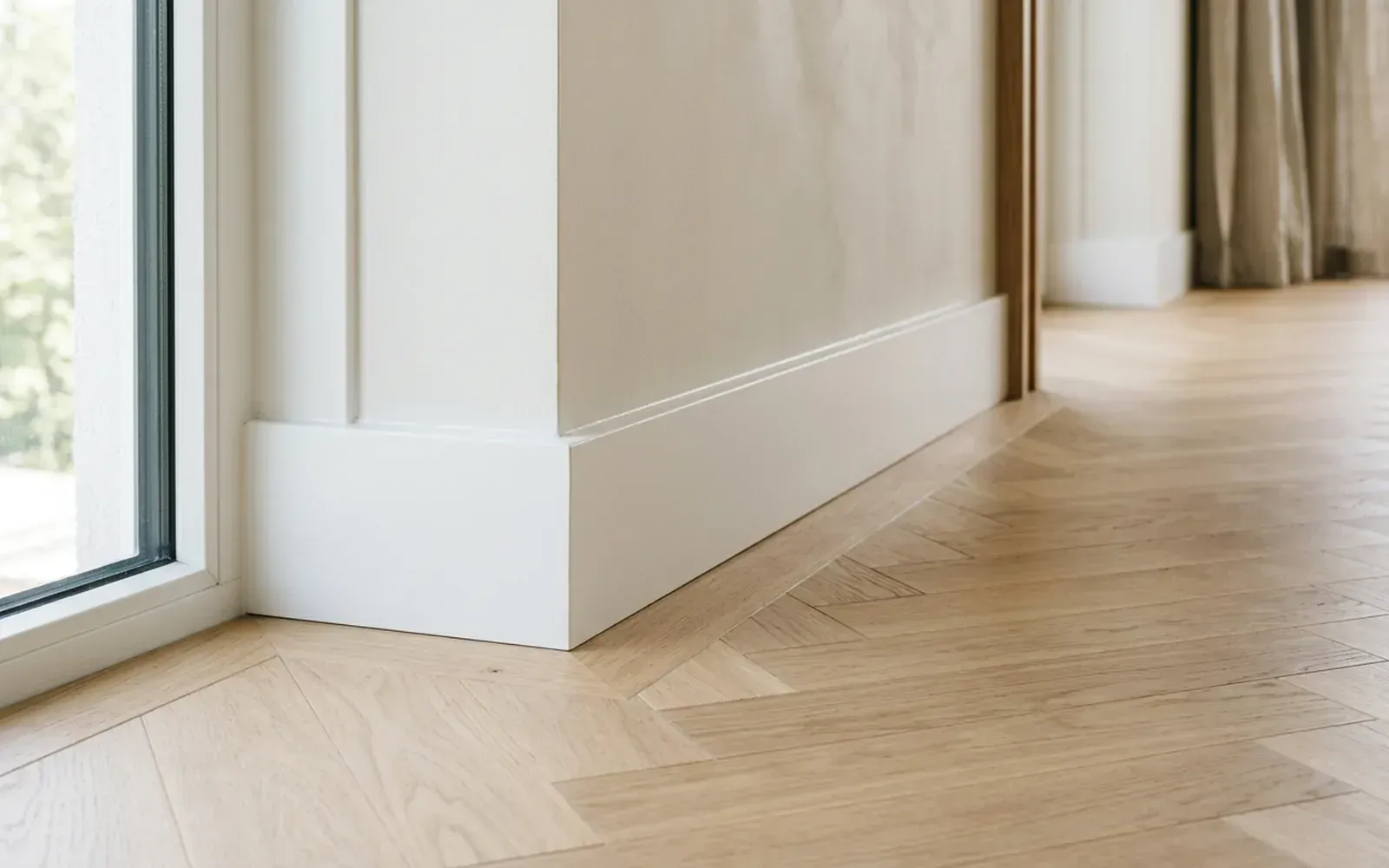
MDF skirting boards: pros, cons and when to choose them
MDF is the most popular material for skirting boards, but not the best choice in every situation. These are the advantages, the disadvantages and the pitfalls.
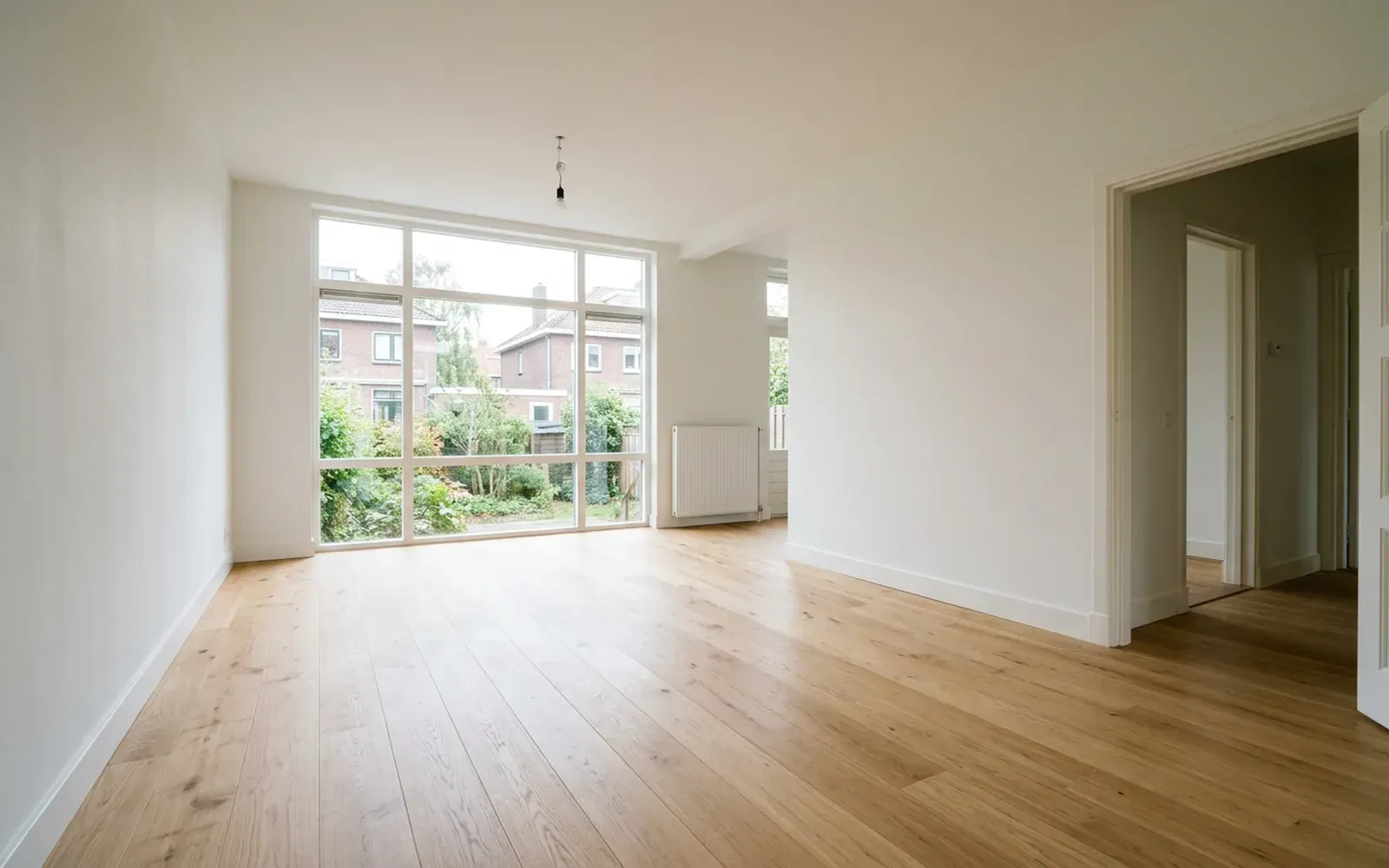
Costs & process
Having skirting boards fitted: how it works from enquiry to finish
From the first message to the final caulk line: this is how having skirting boards fitted by TipTop Plinten works, and what you can arrange yourself beforehand.
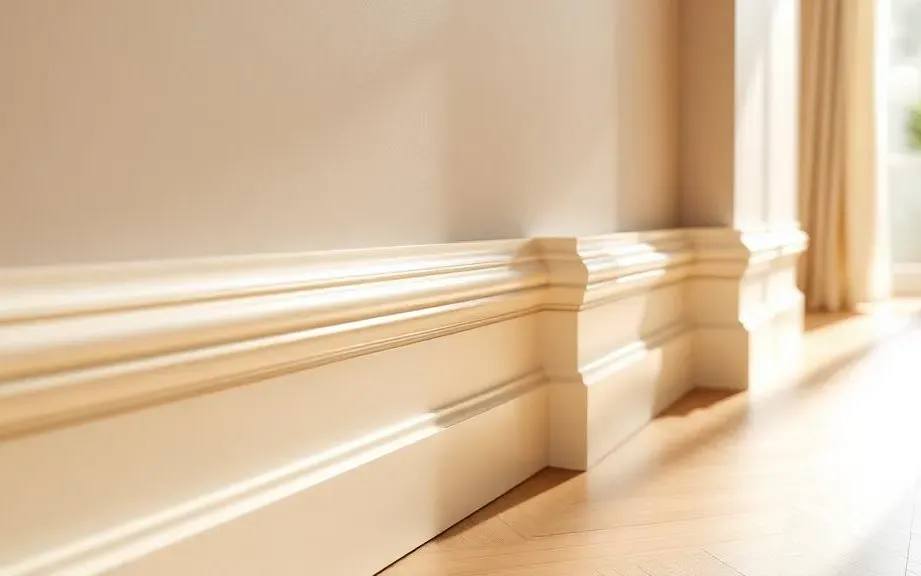
Skirting board installation by a specialist skirting fitter
TipTop Plinten fits skirting boards in MDF, solid wood and aluminium, finished in any RAL colour and neatly matched to any floor, even with uneven walls.
Skirting board installation? Request a free quote
On-site measurement €75 incl. VAT (credited for orders above a minimum project size)