
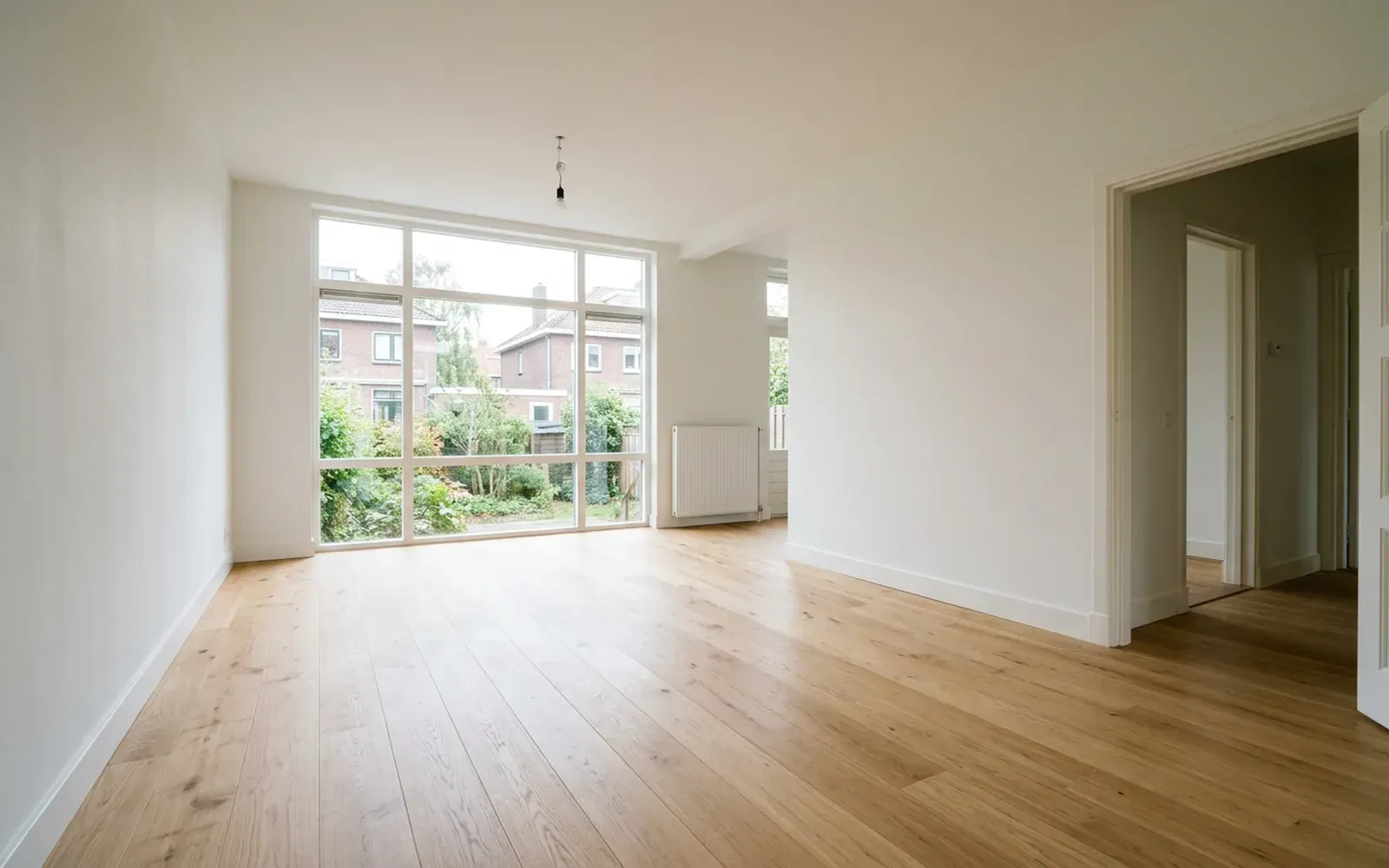
Having skirting boards fitted by TipTop Plinten works in five steps: you get in touch via WhatsApp, phone, email or the form; you send photos and measurements, or an on-site measurement follows; you receive a free quote; then comes the installation of the skirting boards; and finally the caulking and finishing. The more complete the information you share beforehand, the more specific the quote and the more smoothly the fitting goes.
Below you can read what happens at each step and what you can prepare yourself.
Step 1: getting in touch
You can get in touch in whichever way suits you best:
- WhatsApp or phone: +31 6 28438086
- Email: info@tiptopplinten.nl
- Form: via the contact page
You can contact us in English, Dutch, German, Turkish, Persian and Arabic. TipTop Plinten is based in 's-Hertogenbosch and works throughout the Netherlands, for homeowners, contractors, floor layers, interior fit-out companies and hotels.
What should you send?
With this information we can think along with you straight away:
- the location and type of room (living room, hallway, bedrooms, whole house, commercial premises);
- an estimate of the number of linear metres;
- the type of floor: laminate, vinyl, parquet, herringbone or tiles;
- your preferred material (MDF, solid wood or aluminium), height and colour;
- whether old skirting boards need to be removed;
- whether you want caulking and finishing included.
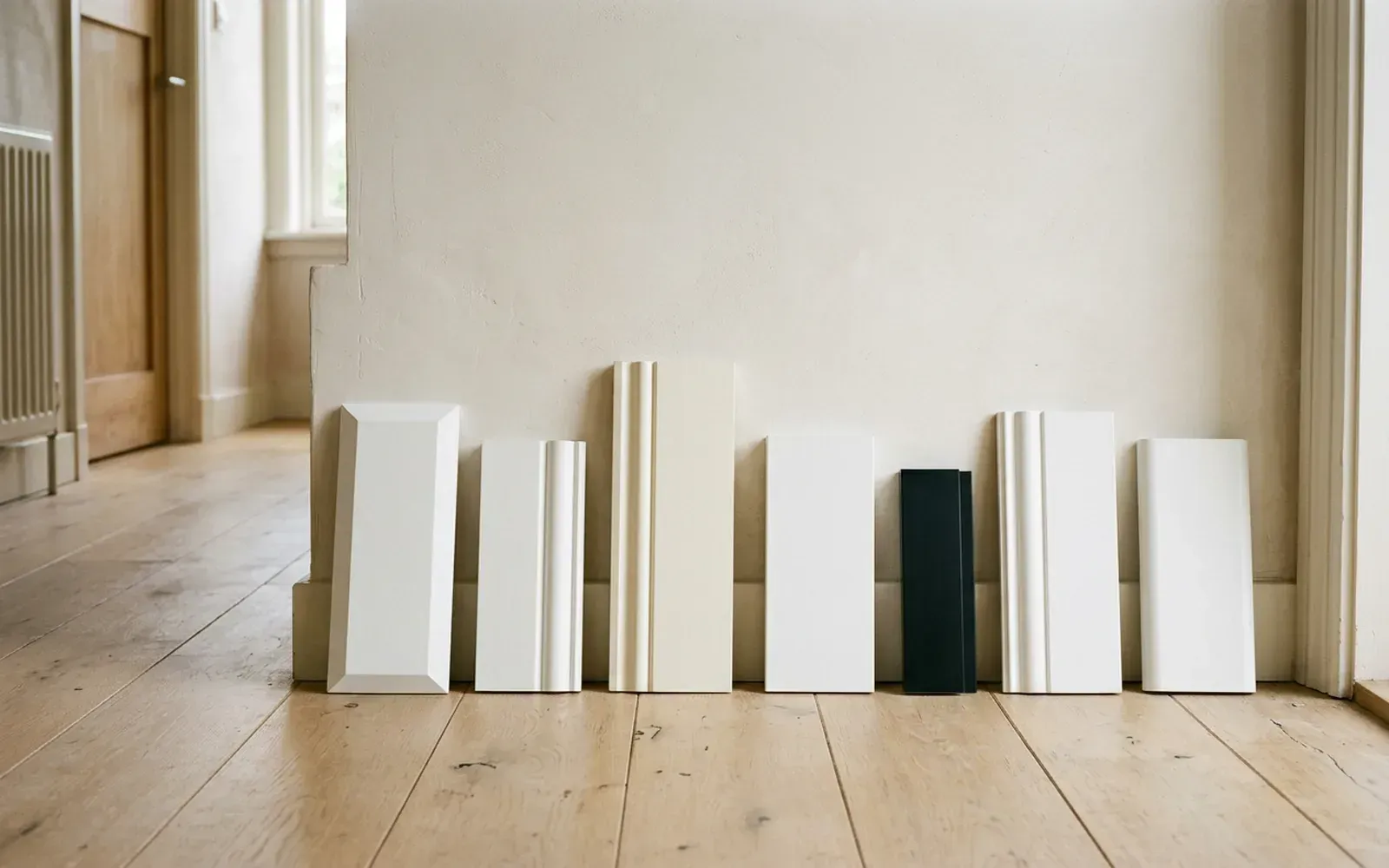
Not yet sure which skirting board you want? The checklist for choosing skirting boards will help.
Step 2: photos and measurements, or an on-site measurement
For many enquiries, a quote can be prepared based on photos and measurements. Useful photos are overview shots of each room, close-ups of corners and door frames, and a photo of the junction between floor and wall.
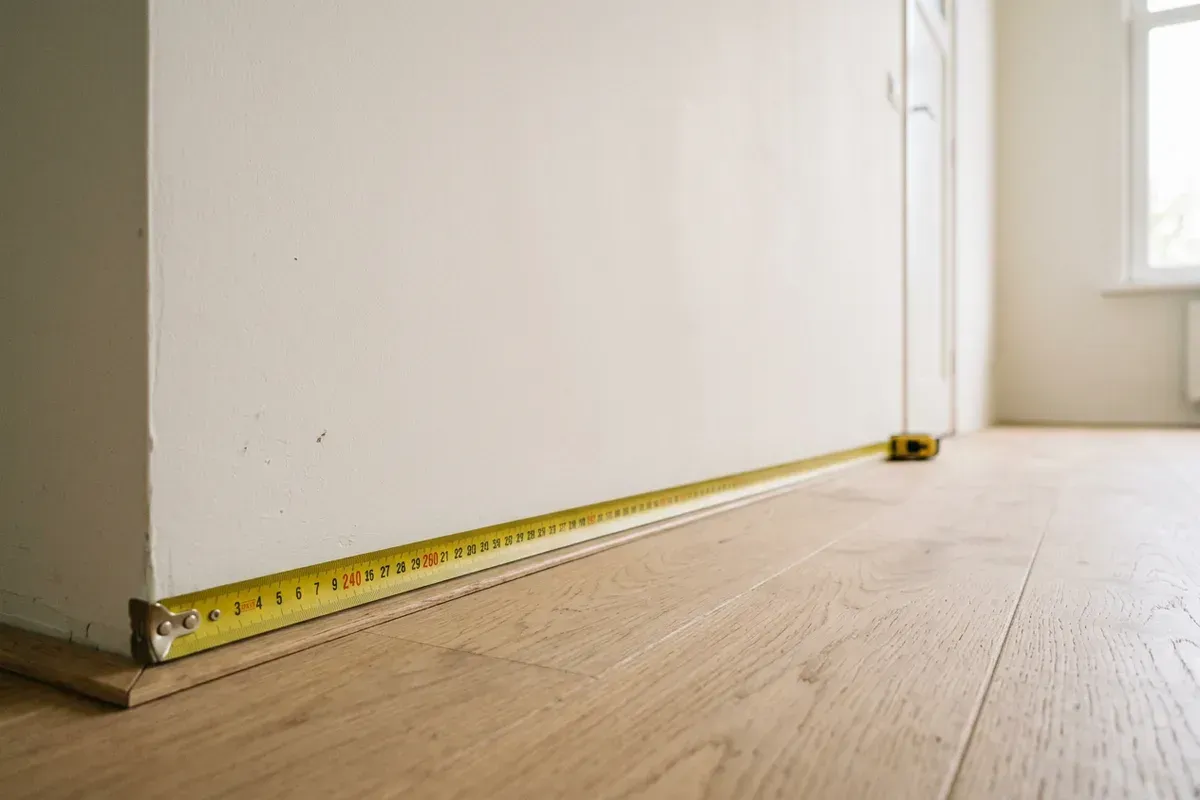
When should you opt for an on-site measurement?
An on-site measurement is worthwhile if:
- you are unsure about material, height or colour and would like personal advice;
- it is a large project with many rooms;
- the walls are out of true or irregular, as in older properties;
- there are unusual corners, alcoves or staircases.
The on-site measurement costs €75 incl. VAT. This amount is credited as a discount on jobs above a minimum project size.
Step 3: the quote
Based on the photos, measurements or on-site measurement, you receive a quote. It is free and without obligation. The quote states what will be fitted, in which material and finish, and what else is included, such as removing old skirting boards or the caulking.
You can read in detail what determines the price in skirting board installation cost: what does it depend on?. It sets out all the factors, from metres and corners to material and accessibility.
Step 4: the installation
Once you agree, the installation is scheduled. To prepare, it helps if you arrange the following:
- The floor is down. Skirting boards go in after the floor, because they cover the edge and the expansion gap.
- The walls are finished. Plastering or painting is complete and dry.
- The walls are clear. Furniture, cupboards and belongings are kept away from the wall.
- Pipes and cables are known. Let us know where you know cables or pipes run low in the wall.
During the installation, the skirting boards are cut to size, the corners are mitred or fitted to measure, and the skirting is fixed using the method that suits your wall. You can read more about fixing in fixing skirting boards: glue, screws or nails. With uneven or irregular walls, the skirting board is adjusted to fit.
How much time the fitting takes depends on the number of metres, the number of corners and the substrate. You will hear this with the quote.
Step 5: caulking and finishing
The final step makes the difference between a skirting board that has been fitted and one that has been finished. The joint between skirting board and wall is sealed with paintable acrylic caulk, mitres are touched up and fixing points are concealed. The finish can be paint-ready or in colour straight away. Read more on caulking and finishing and in the glossary under caulking.
What that looks like in practice
In the house in Monster, all the skirting boards in the home were fitted with a clean finish. At the new-build home in Boxtel, skirting installation was included from the shell stage onwards, caulking included. Two different situations, with the same steps: taking stock, quoting, fitting and finishing.
For homeowners and for the construction trade
The steps are the same for every client, but the details differ.
- Homeowners often want advice on material, height and colour. An on-site measurement or a detailed conversation based on photos then helps to make the right choice.
- Contractors and floor layers mainly need coordination with the schedule: when is the floor going down, when is the painting planned and who does the caulking.
- Interior fit-out companies and hotels usually ask for made-to-measure work combined with other joinery, such as architraves, decorative mouldings or wall panels. At the hotel in Maastricht, for example, the work involved wall panels, decorative mouldings and caulking in RAL 9010, to a tight deadline.
What helps the process run smoothly?
A few practical points make the difference:
- Decide in advance. The more clearly material, height and colour are settled, the more specific the quote.
- Mention special features. Uneven walls, stairs, alcoves, radiators or underfloor heating are good to mention beforehand.
- Share the schedule. If painting or floor laying still has to be done, let us know, so the installation takes place at the right moment.
- Keep the room clear. A clear wall makes measuring, cutting and fixing easier.
DIY or have them fitted?
You can also fit skirting boards yourself. Whether that is wise depends on the room, the number of corners and the result you want. Fitting skirting boards yourself or hiring a professional sets out the pros and cons.
On the skirting board installation page you will find an overview of the materials, finishes and floor types TipTop Plinten works with.
Request your quote
Would you like skirting boards fitted? Get in touch via contact, WhatsApp or phone on +31 6 28438086, or email info@tiptopplinten.nl. Include photos and an estimate of the metres. The quote is free and without obligation; if you are unsure, opt for an on-site measurement for €75 incl. VAT, credited on jobs above a minimum project size.
Frequently asked questions
You can do this via WhatsApp or phone on +31 6 28438086, by email at info@tiptopplinten.nl or via the form on the contact page. Ideally, include photos of the rooms, an estimate of the number of metres, the type of floor and your preferences for material and colour.
No. For many enquiries, a quote based on photos and measurements works well. An on-site measurement is useful if you are unsure, for large projects or for difficult walls. It costs €75 incl. VAT and is credited on jobs above a minimum project size.
Make sure the floor is down, the walls are finished and the areas along the walls are clear of furniture and belongings. Also let us know where pipes or cables may run low in the wall and whether old skirting boards need to be removed.
That depends on the number of metres, the number of corners, the substrate and the finish you want. With the quote you will hear what to expect for your situation.
Yes. You can have caulking and finishing included with the installation, so the joints between skirting board, wall and floor disappear. The finish can be paint-ready or in colour straight away.
Related articles
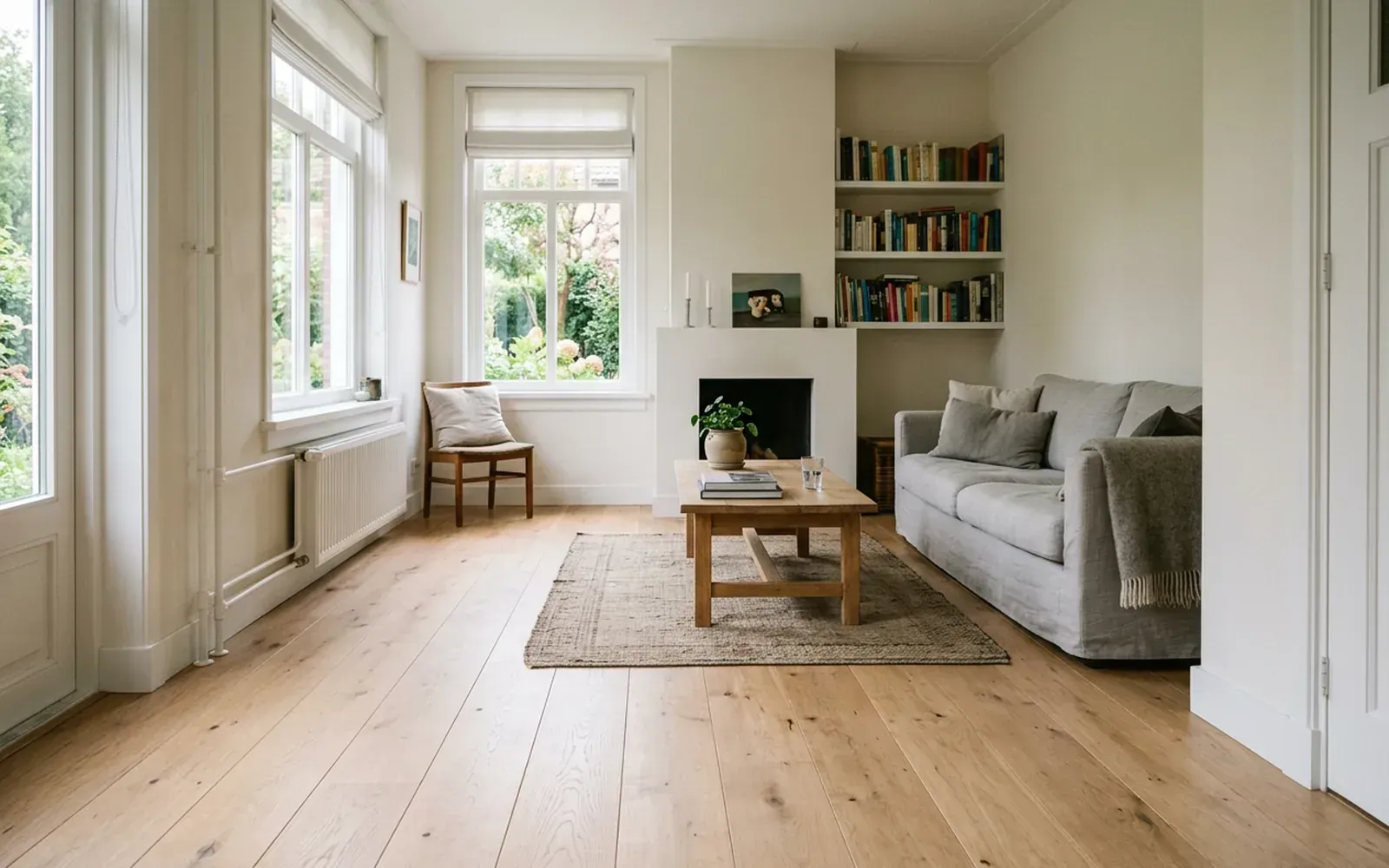
Costs & process
Skirting board installation cost: what does the price depend on?
The cost of having skirting boards fitted depends on metres, corners, material, height, wall surface and finish. Here is how to get a quote that is accurate.
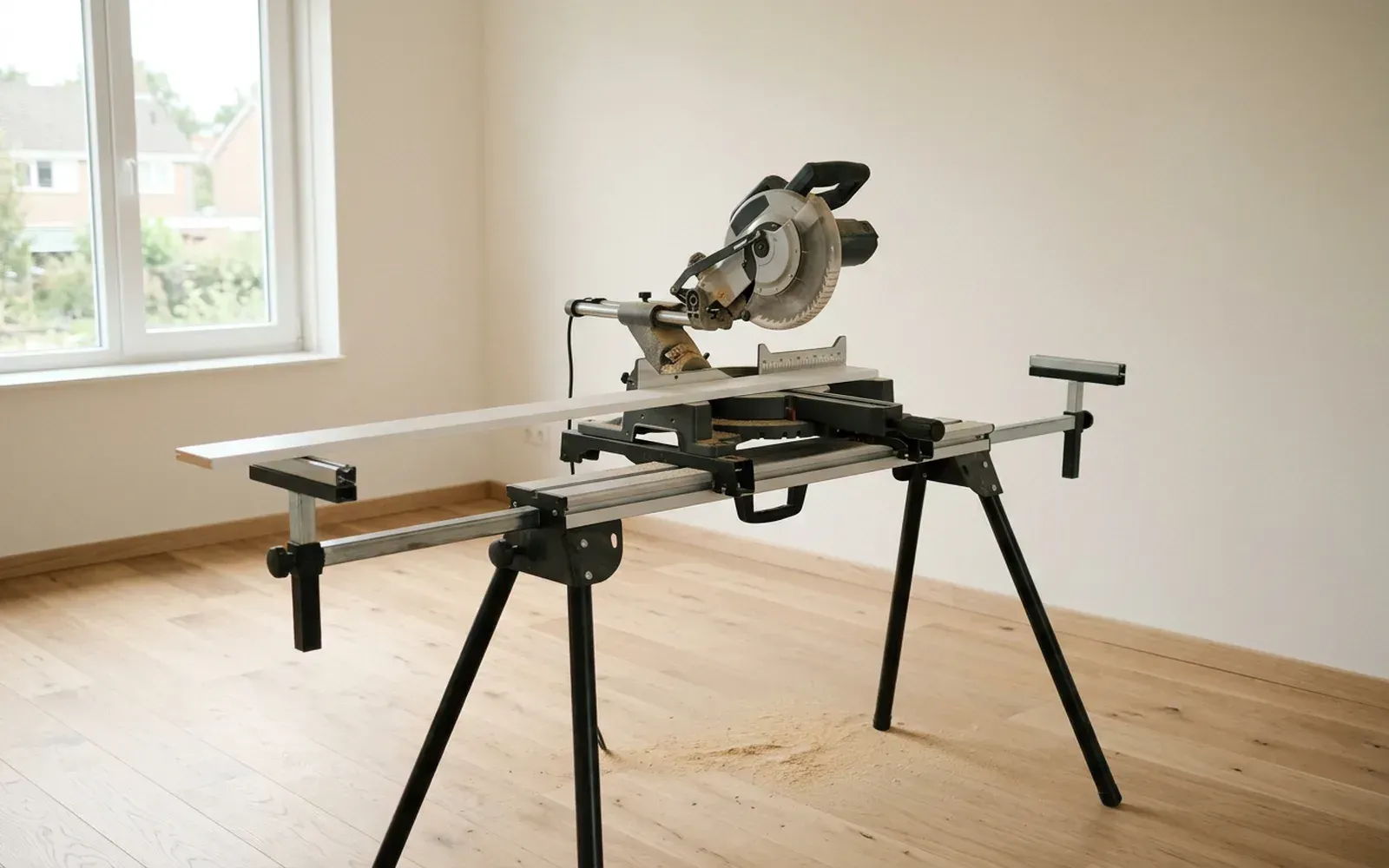
Costs & process
Fitting skirting boards: do it yourself or hire a professional?
Fitting skirting boards yourself works well in a simple room. With lots of corners, uneven walls or a striking colour, a professional pays off. Here is how to weigh it up.
Choosing skirting
Which skirting boards to choose? A checklist for types, height and colour
Not sure which skirting boards to choose? This checklist takes you through every decision, from material and height to colour, floor and fixing, so you choose a skirting board that fits.
Related
Site survey
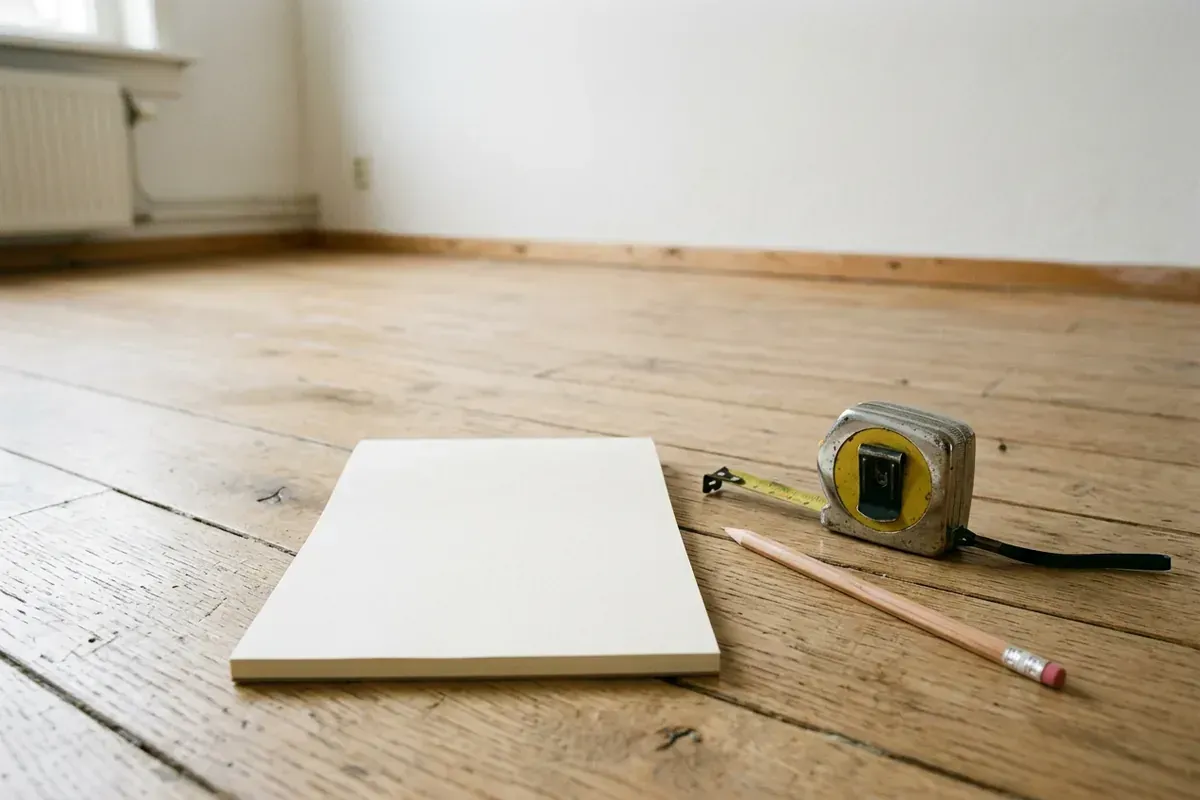
During a site survey, the measurements and conditions are recorded on site: metres, corners, walls and floor. That makes the quote and the materials precise.
Linear metre
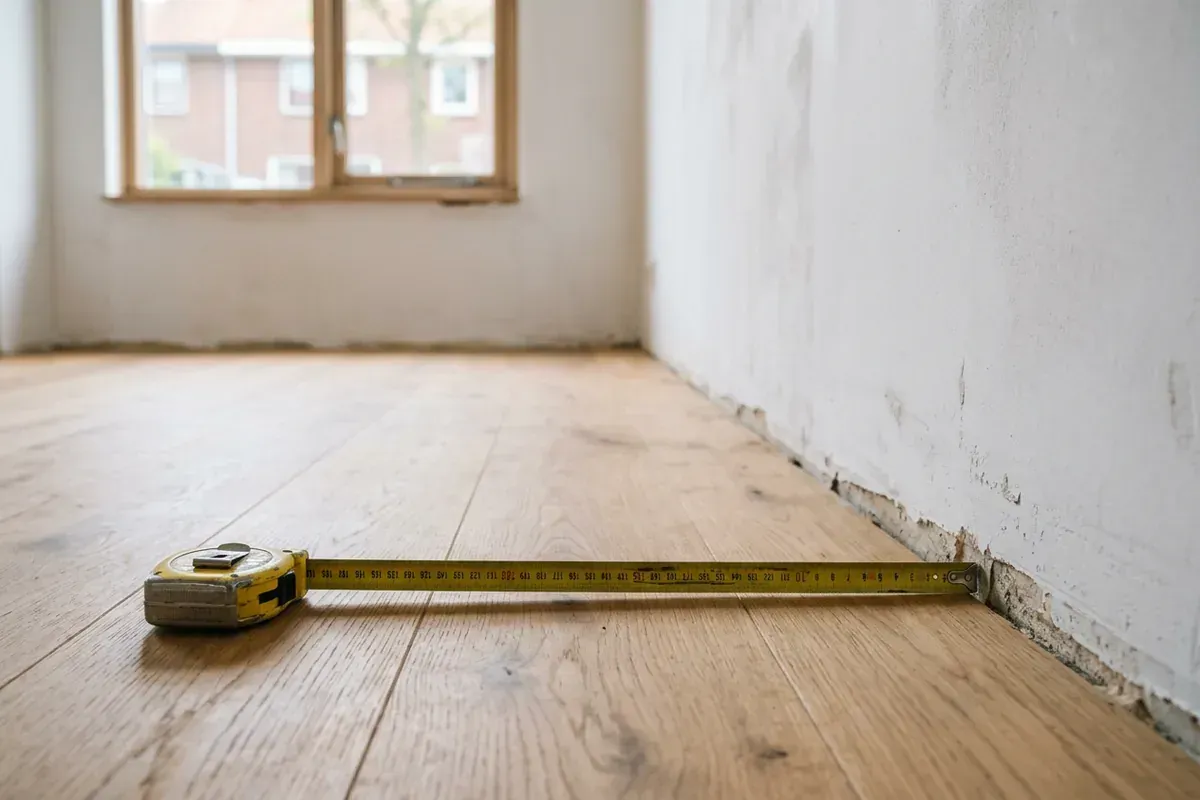
A linear metre is a metre measured along the length, regardless of width or height. Skirting boards and mouldings are measured and ordered this way.
Caulking
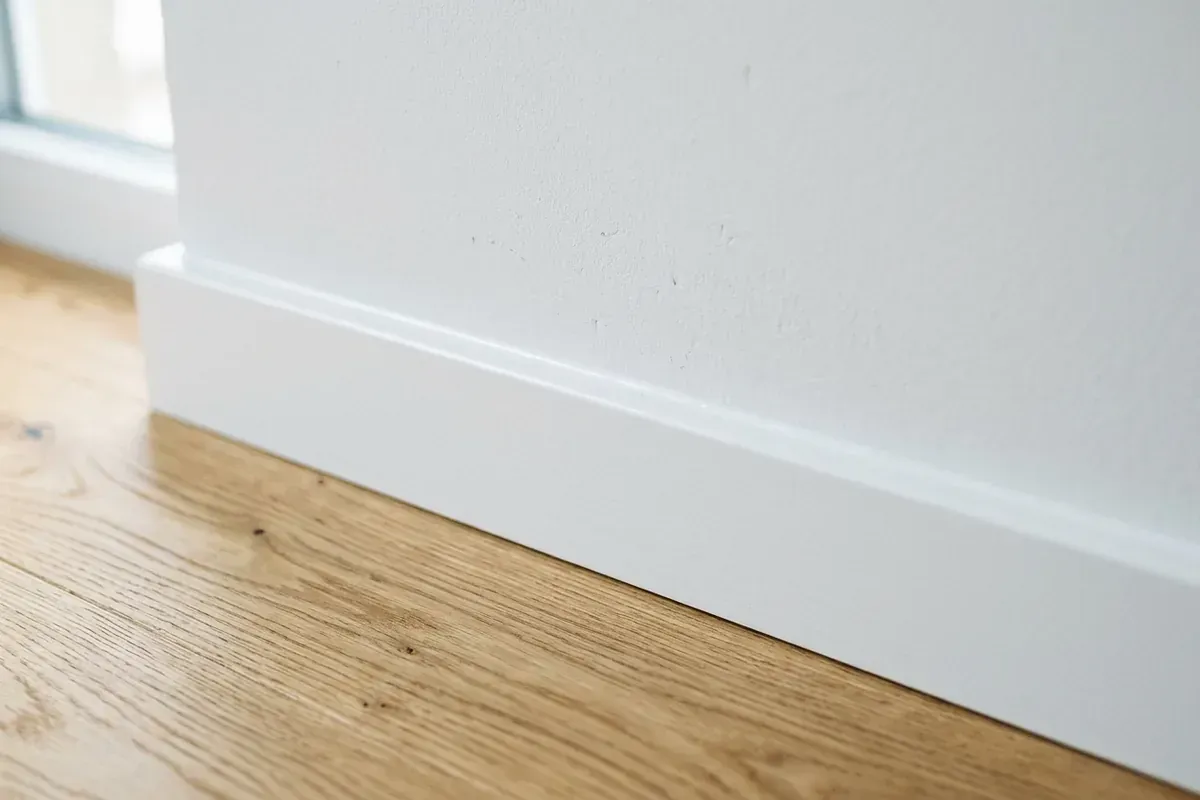
Caulking means sealing joints with a flexible sealant. With skirting boards and mouldings, it makes the transition to the wall crisp and seamless.
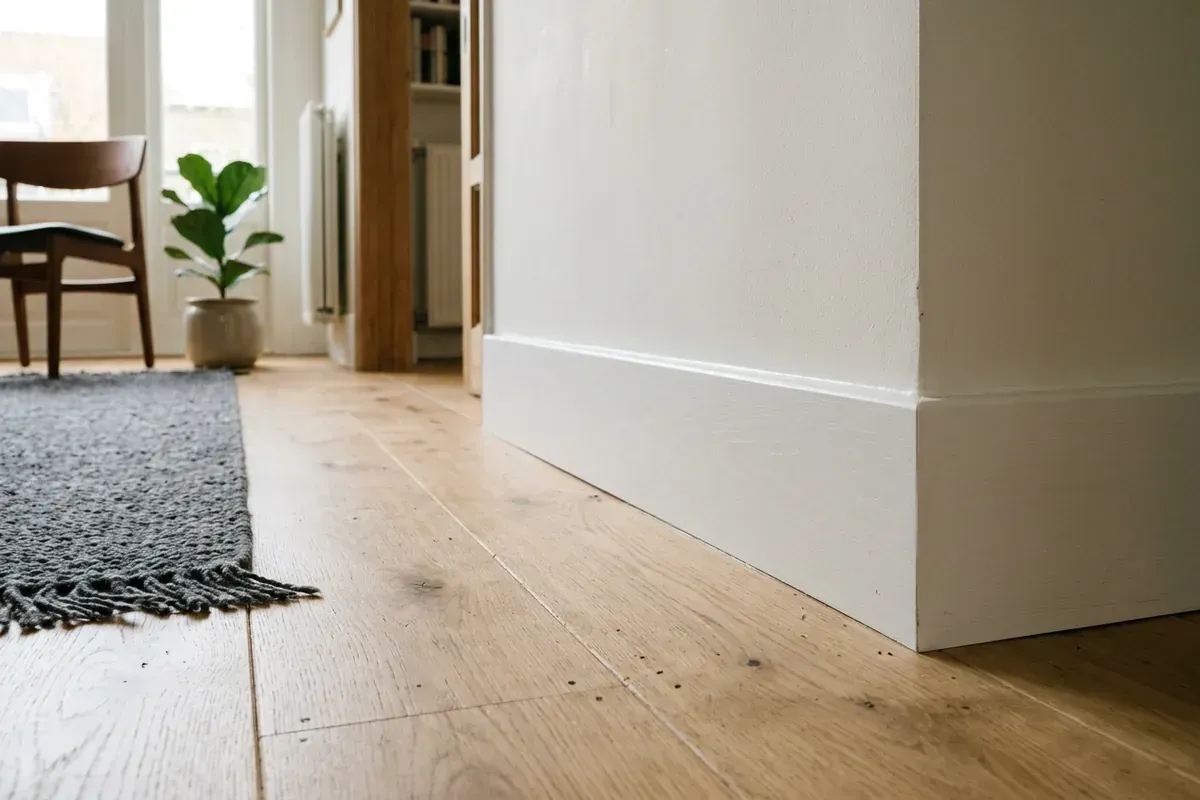
Skirting board
A skirting board is the moulding at the base of the wall that finishes the transition to the floor and protects the wall. Here is how it works and what to look out for.
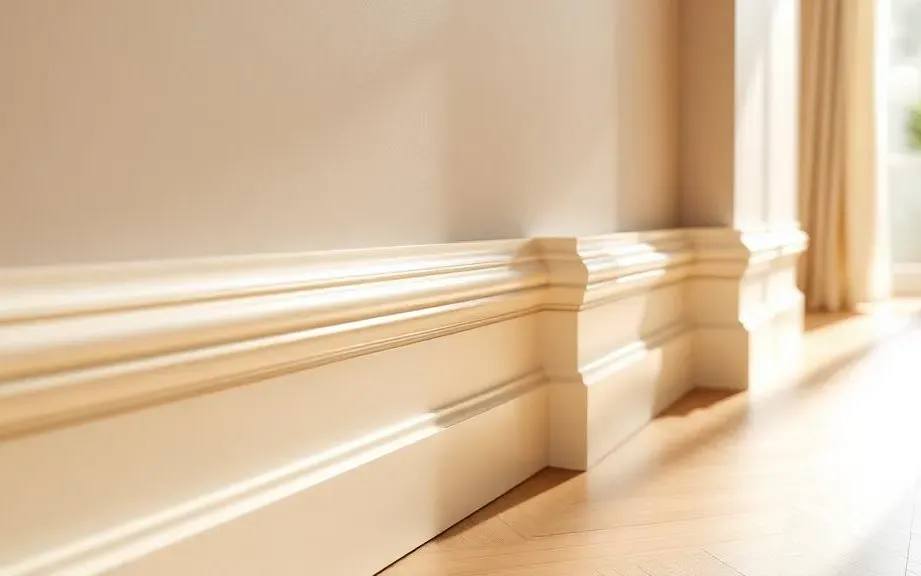
Skirting board installation by a specialist skirting fitter
TipTop Plinten fits skirting boards in MDF, solid wood and aluminium, finished in any RAL colour and neatly matched to any floor, even with uneven walls.
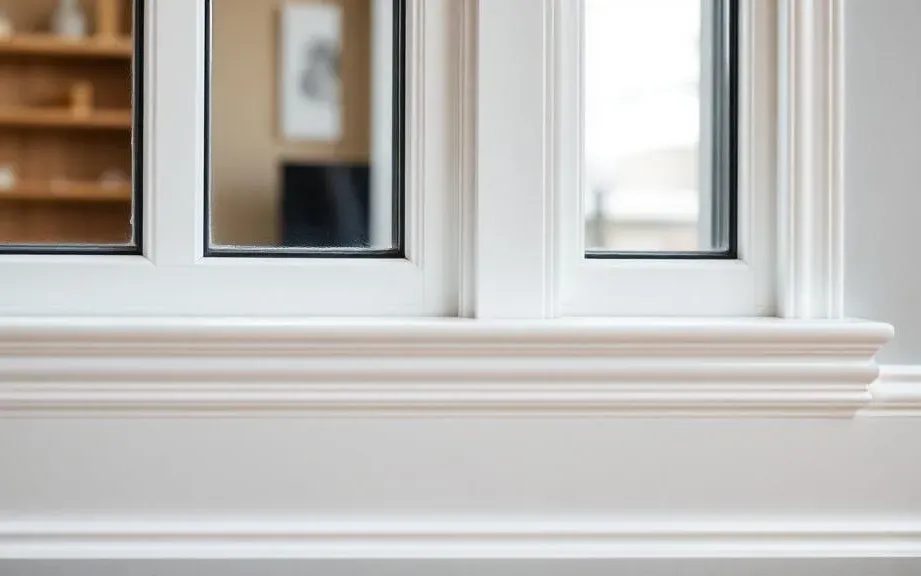
Caulking skirting boards and sealant work for a seamless finish
Caulking is the final step that makes skirting boards, mouldings and panels look seamless. TipTop Plinten uses acrylic or silicone, paint-ready or in colour.
Skirting board installation? Request a free quote
On-site measurement €75 incl. VAT (credited for orders above a minimum project size)