
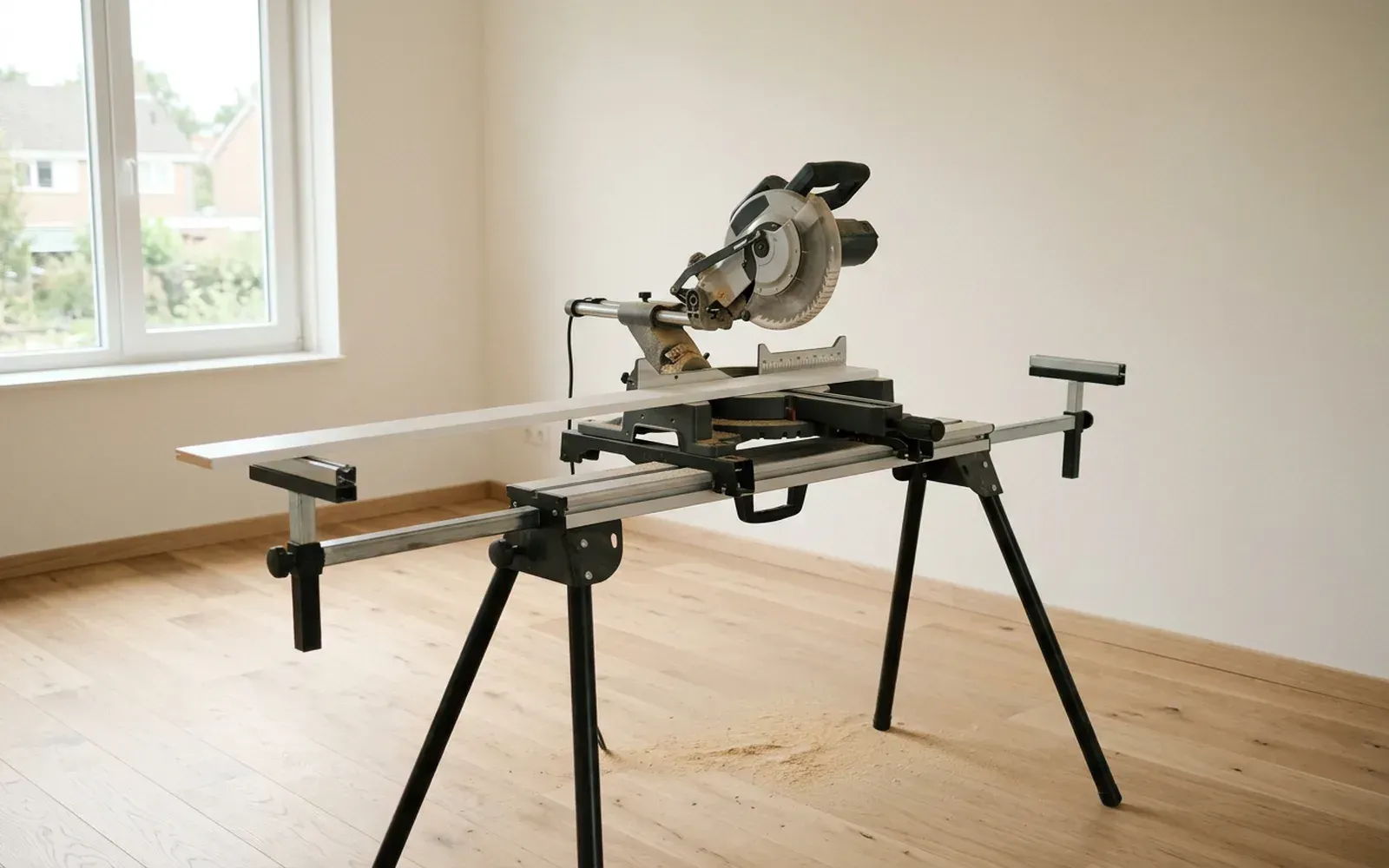
You can fit skirting boards yourself if the room is simple: flat walls, square corners, few interruptions and a light, standard skirting board. As soon as lots of corners, uneven walls, tall skirting boards, external corners or a striking colour come into play, the difference between DIY fitting and professional work quickly becomes visible. That is when it pays to call in a skirting board fitter. In this article, we set out both options side by side, honestly.
What does fitting skirting boards involve?
Fitting skirting boards seems simple: cut a length to size, put it against the wall, done. In practice, it consists of several stages, each of which affects the end result:
- Measuring the walls and corners, at skirting height.
- Cutting to length and at a mitre, including out-of-square corners.
- Scribing and fitting to walls that are not flat or not straight.
- Fixing with a method that suits the wall: adhesive, screws or nails.
- Finishing with caulk, filling holes and touching up mitres.
Each step can be learned. But the result is only as good as the weakest step.
When can you do it yourself without any problem?
Fitting skirting boards yourself is a good option if:
- it concerns one or two rooms with flat, plastered walls;
- the corners are virtually square;
- you choose a low to medium-height skirting board in a light colour;
- there are few interruptions such as door frames, pipes and alcoves;
- you have good tools, or can borrow them;
- you take your time and are willing to cut a few test pieces.
What tools do you need?
- a mitre saw with a fine blade;
- an angle finder or sliding bevel;
- a tape measure, pencil and spirit level;
- a caulking gun with paintable acrylic caulk;
- construction adhesive and/or screws with wall plugs, or a nail gun for timber substrates;
- a cable and pipe detector if you are drilling into the wall;
- filler and paint to touch up holes and cut edges.
Where do things often go wrong?
When fitting skirting boards yourself, the same problems keep coming up.
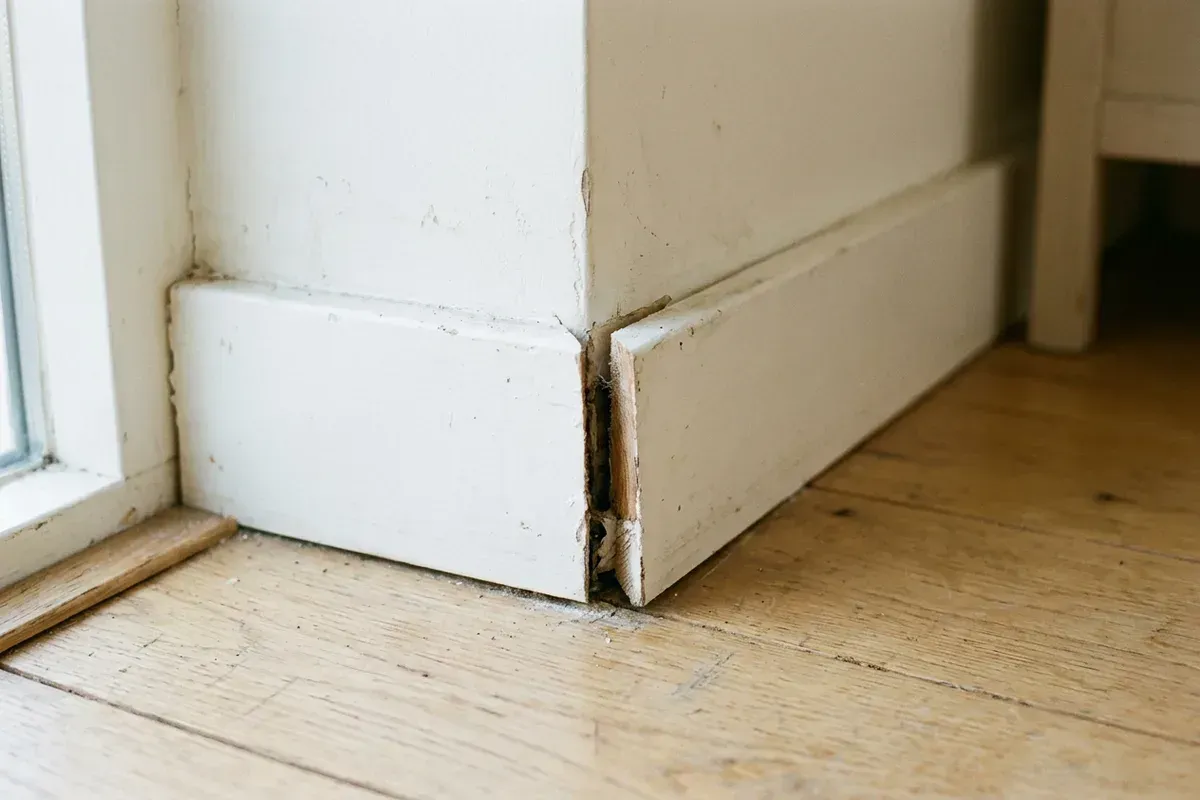
- Open mitres. Most corners are not exactly 90 degrees. If you cut at 45 degrees by default without measuring, you will get a gap. Measure the angle and halve it. See mitre cutting skirting boards.
- External corners that open up. An external corner that is not glued or properly fixed will eventually separate.
- Gaps above the skirting board. A rigid skirting board does not follow a wavy wall by itself. Caulk fills small gaps, not large ones.
- The wrong sealant. Silicone sealant above a painted skirting board cannot be painted and stays visible. See caulking skirting boards: which sealant?
- Skirting board fixed to the floor. A floating floor must be able to move. A skirting board glued or screwed to the floor prevents this.
- Hitting cables or pipes. Cables to wall sockets can run low in the wall.
- Cut too short. A piece that is just too short cannot be saved. Measure twice, cut once.
When is a skirting board fitter the better choice?
Having them fitted is sensible if:
- it concerns an entire home or several floors;
- there are many internal and external corners, alcoves, stairs or frames;
- the walls are uneven, old or irregular;
- you choose tall skirting boards, where every imperfection stands out;
- you want a dark or striking colour, such as RAL 9005 matt black;
- the skirting boards need to meet a special floor, such as herringbone;
- you want the whole job, including caulking, finished cleanly.
In the apartment in Rotterdam with a vinyl herringbone floor, for example, the skirting board had to meet this type of floor seamlessly. And in the historic home in Apeldoorn, with walls that had settled out of true, made-to-measure skirting boards were fitted. In situations like these, the craftsmanship lies mainly in the fitting and finishing.
DIY or professional: the trade-offs at a glance
| Situation | Fitting it yourself | Having it fitted |
|---|---|---|
| One room, flat walls, square corners | Manageable | Also an option |
| Many corners and interruptions | Lots of measuring and cutting | Recommended |
| Uneven or old walls | Tricky | Recommended |
| Tall or dark skirting boards | Mistakes quickly visible | Recommended |
| Entire home, including caulking | A lot of work | More efficient |
Where do you see the difference in the end result?
The difference between DIY fitting and professional work rarely lies in the straight runs. It is in the details:
- Corners: do the mitres close without a gap everywhere, including on external corners?
- The top edge: does the caulk line run evenly, without thick and thin spots?
- Junctions: does the skirting board meet door frames, architraves and stair strings neatly?
- Fixing: are holes invisibly concealed, and does the skirting board sit against the wall along its full length?
- The bottom edge: does the skirting board meet the floor evenly, without a tapering gap?
If you can carry out those points well yourself, fitting them yourself is a perfectly good choice. If in doubt, it is wise to have at least the tricky rooms done by a professional.
The middle way
Some clients do part of the work themselves, for example removing old skirting boards or painting afterwards, and leave the fitting and caulking to a professional. Discuss in your enquiry what you want to do yourself, and it will be taken into account in the quote. Also read removing skirting boards without damage if you want to take on that part yourself.
Having skirting boards fitted by TipTop Plinten
TipTop Plinten fits MDF, solid wood and aluminium skirting boards, with mitred corners, made-to-measure work on uneven walls and a clean finish against herringbone, vinyl, laminate, parquet and tiled floors. Read more on skirting board installation, and on caulking and finishing how joints are finished. How the process works is explained in skirting board installation: the process.
Request a quote
Not sure whether to do it yourself? Send photos of the room and an estimate of the number of metres via contact, and you will receive a free quote without obligation. An on-site measurement is optionally available for €75 incl. VAT and is credited on jobs above a minimum project size. We are happy to communicate in English, and also in Dutch, German, Turkish, Persian and Arabic.
Frequently asked questions
In a rectangular room with flat walls and few corners, it is manageable with the right tools. It gets harder with out-of-square corners, uneven walls, tall skirting boards, external corners and dark colours, because small mistakes are immediately visible.
At a minimum, a mitre saw with a fine blade, an angle finder or sliding bevel, a tape measure and pencil, a caulking gun and the right fixings, such as construction adhesive or screws with wall plugs. A cable and pipe detector is advisable if you are drilling into the wall.
Open mitres because corners are not square, skirting boards that do not sit tight against an uneven wall, the wrong sealant (silicone instead of acrylic) and skirting boards fixed to a floating floor. Pieces cut too short are also common.
Get in touch with TipTop Plinten and describe the skirting boards you have. We will then look at what is possible in your situation. TipTop Plinten works with MDF, solid wood and aluminium, not with plastic skirting boards.
That depends on factors such as the number of metres, corners, the material, the height, the substrate and the finish. You will receive a free quote without obligation. An on-site measurement is optional and costs €75 incl. VAT, credited on jobs above a minimum project size.
Related articles
Installation & finishing
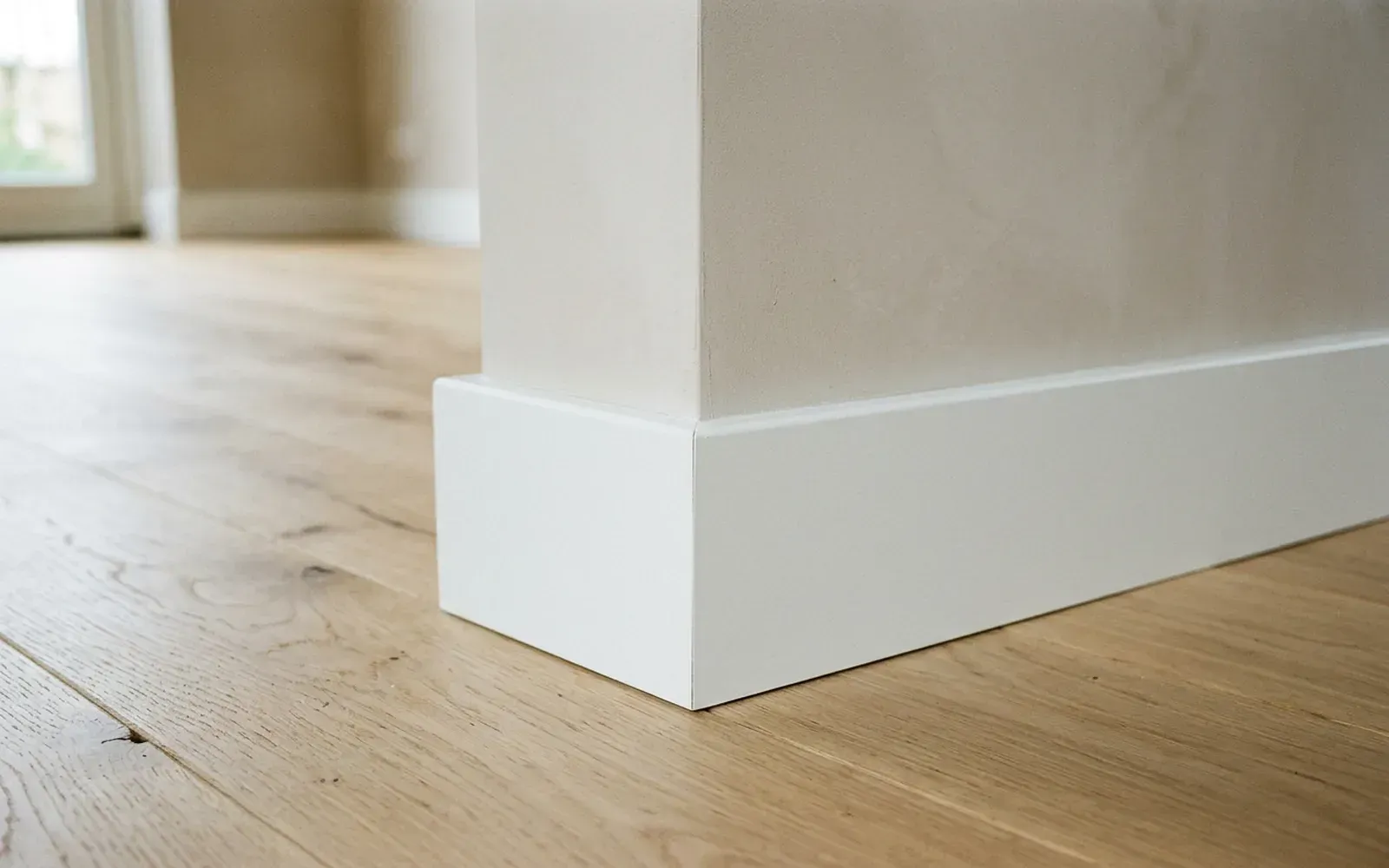
Mitre cutting skirting boards: how to get tight corners
For a square corner you cut both skirting boards at 45 degrees; for any other angle you halve the measured angle. That is how you get tight internal and external corners.
Installation & finishing
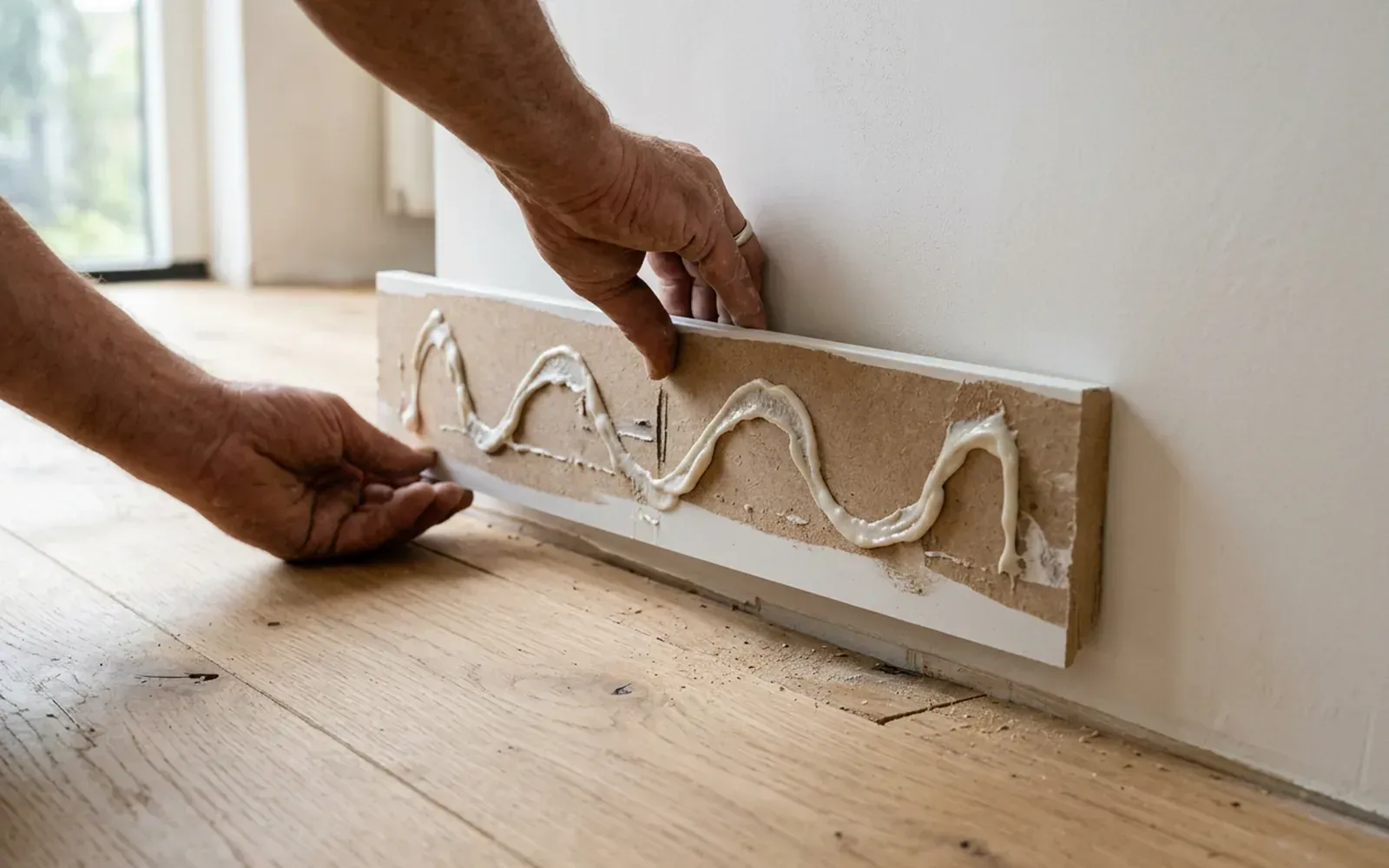
Fixing skirting boards: glue, screws or nails?
Glue, screws or nails: the right fixing depends on the wall, the skirting and the floor. Here is how to choose a method that stays put.
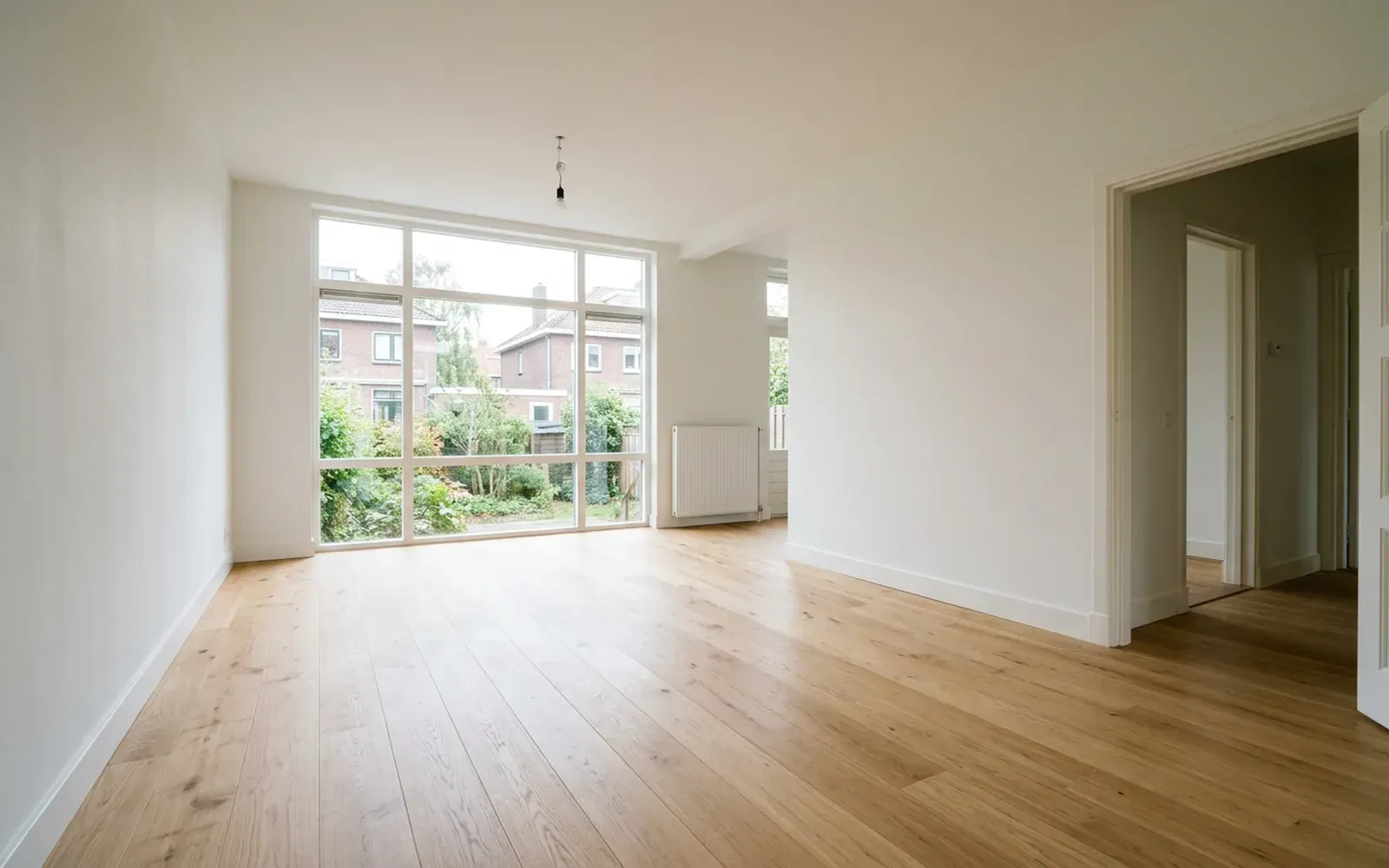
Costs & process
Having skirting boards fitted: how it works from enquiry to finish
From the first message to the final caulk line: this is how having skirting boards fitted by TipTop Plinten works, and what you can arrange yourself beforehand.
Related
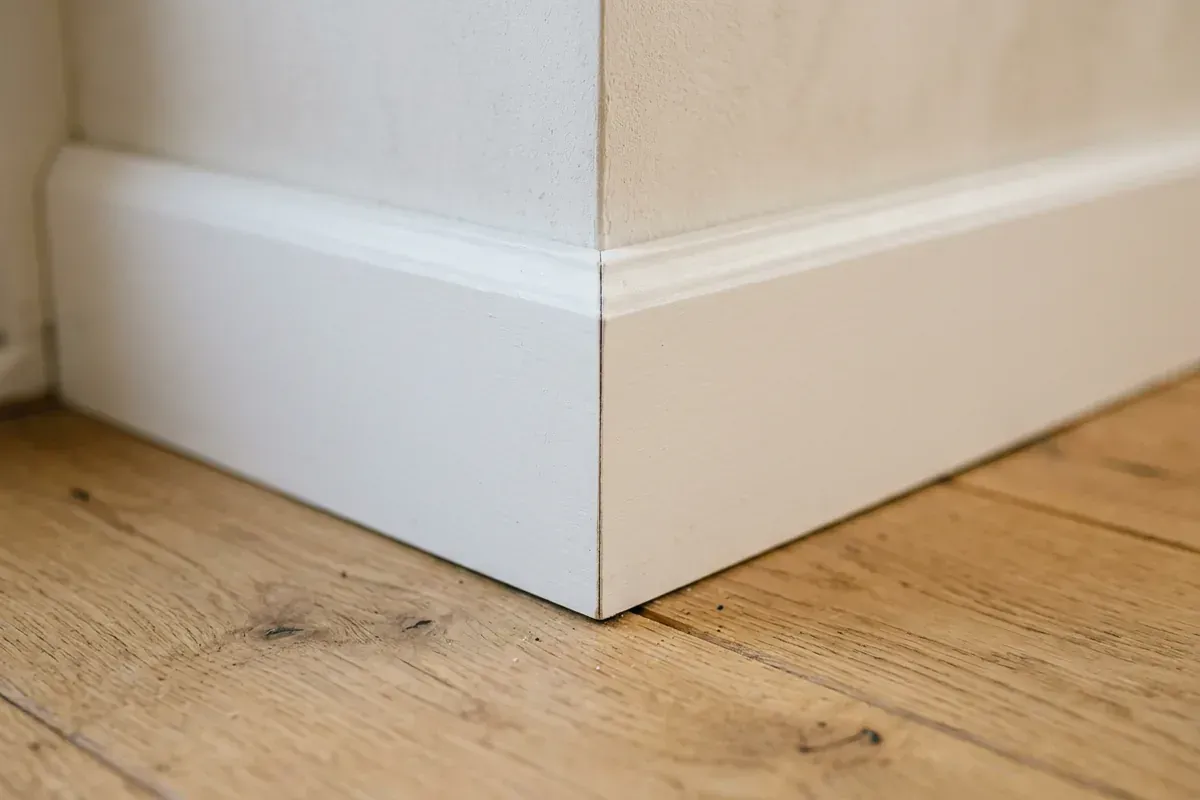
Mitre joint
A mitre is an angled cut that lets two mouldings meet seamlessly in a corner. For a right angle, that is usually 2 x 45 degrees.
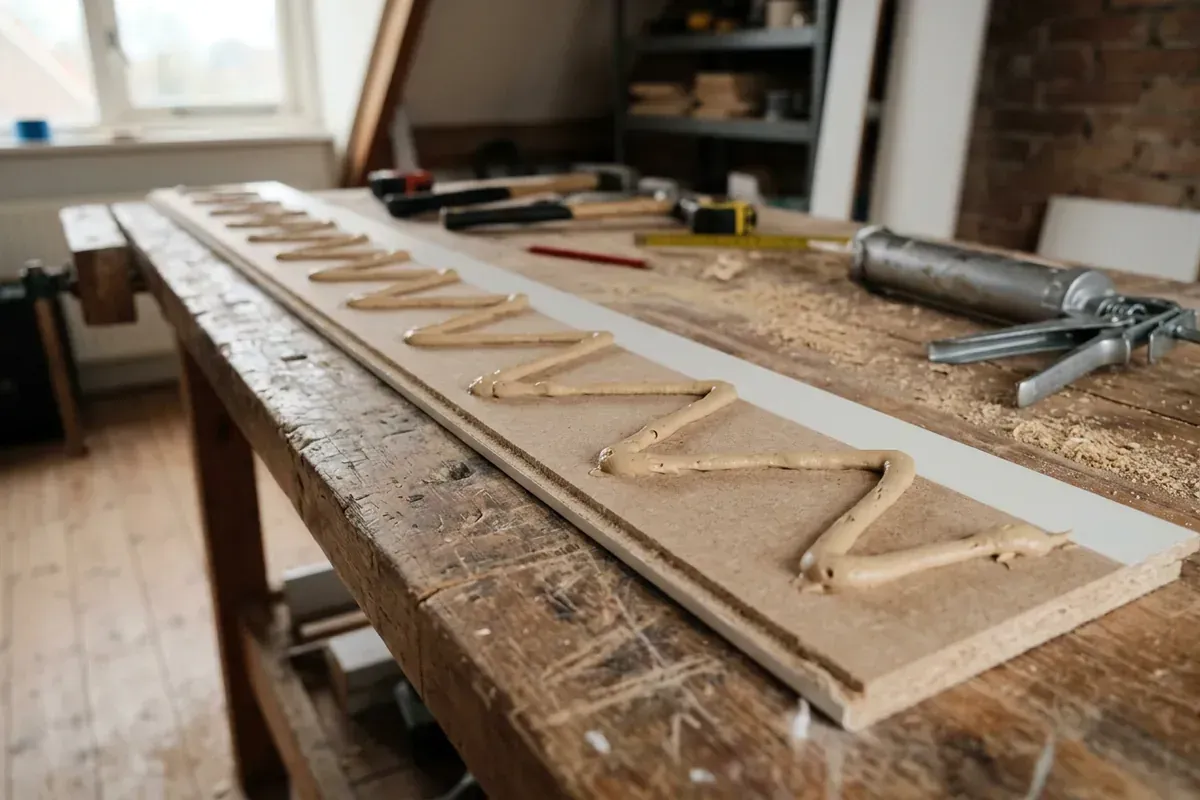
Construction adhesive
Construction adhesive is a strong glue or sealant used to fix skirting boards, mouldings and panels to the wall, often combined with nails or screws.
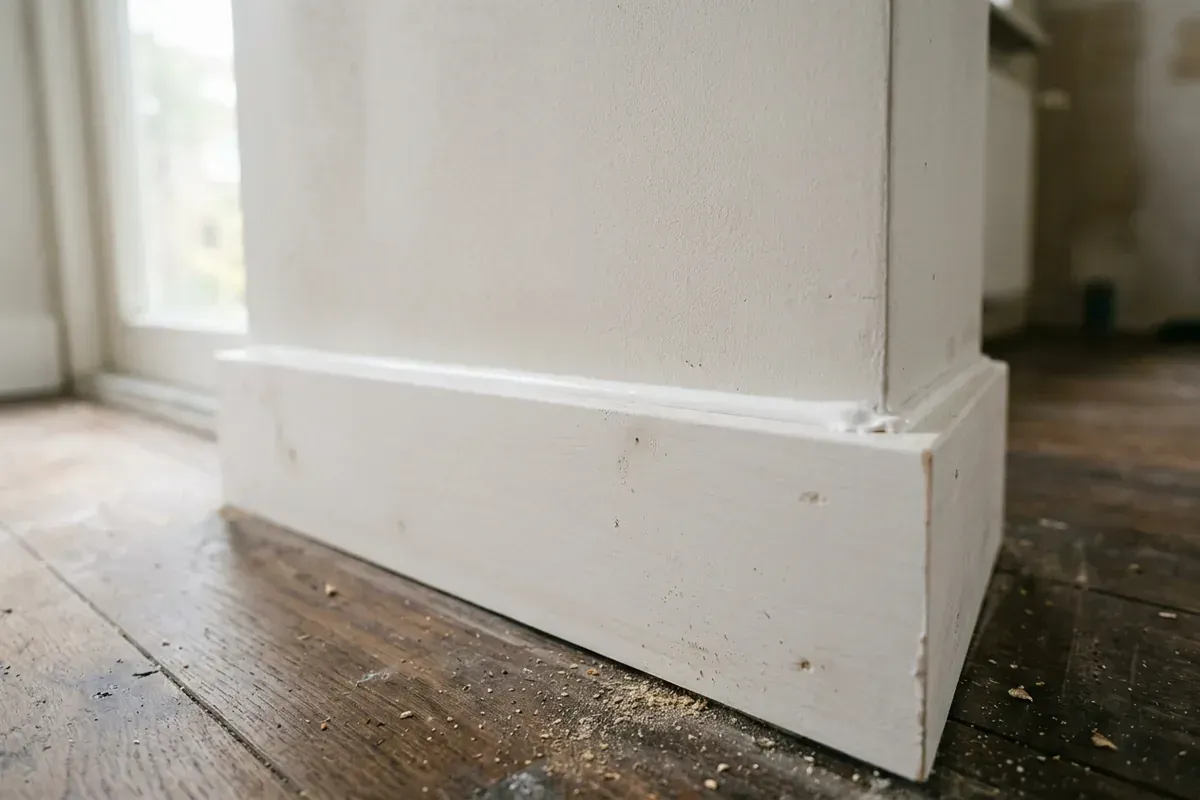
Acrylic caulk
Acrylic caulk is a water-based sealant that can be painted once cured. It is the usual choice for skirting boards, mouldings and frames in dry rooms.
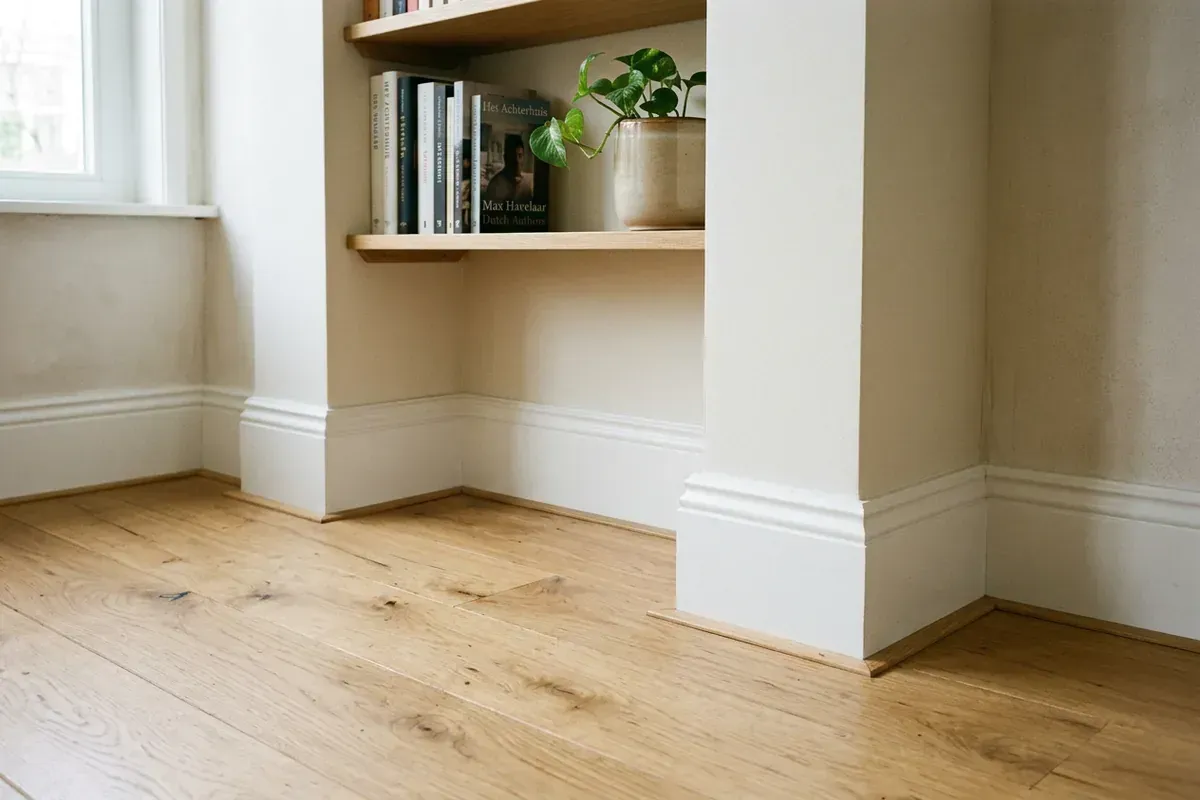
Internal & external corner
An internal corner points away from you, an external corner points towards you. With skirting boards, each type of corner needs its own cutting direction and approach.
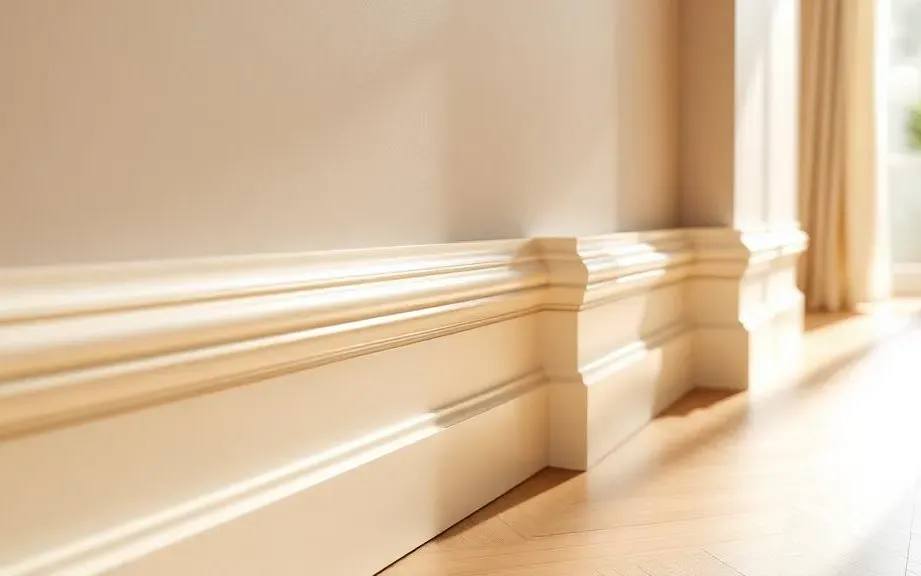
Skirting board installation by a specialist skirting fitter
TipTop Plinten fits skirting boards in MDF, solid wood and aluminium, finished in any RAL colour and neatly matched to any floor, even with uneven walls.
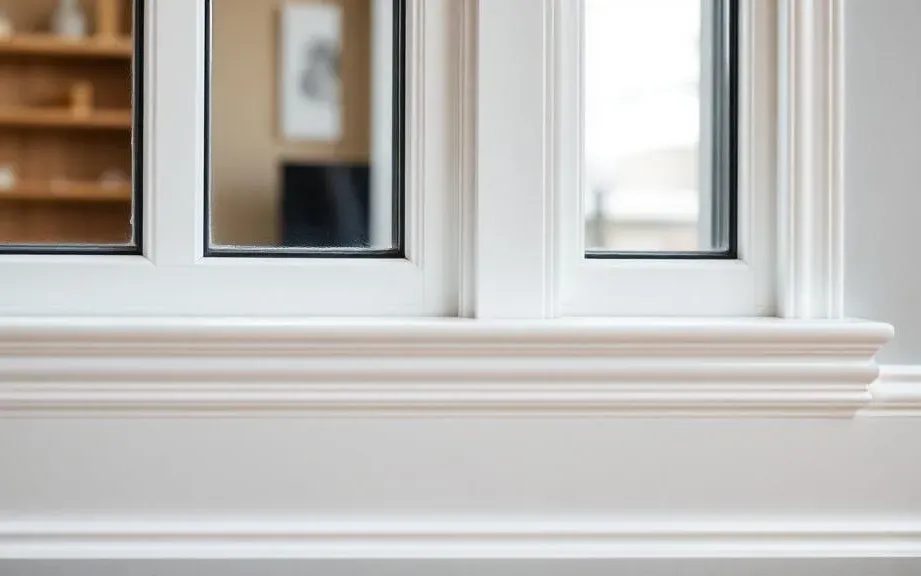
Caulking skirting boards and sealant work for a seamless finish
Caulking is the final step that makes skirting boards, mouldings and panels look seamless. TipTop Plinten uses acrylic or silicone, paint-ready or in colour.
Skirting board installation? Request a free quote
On-site measurement €75 incl. VAT (credited for orders above a minimum project size)