
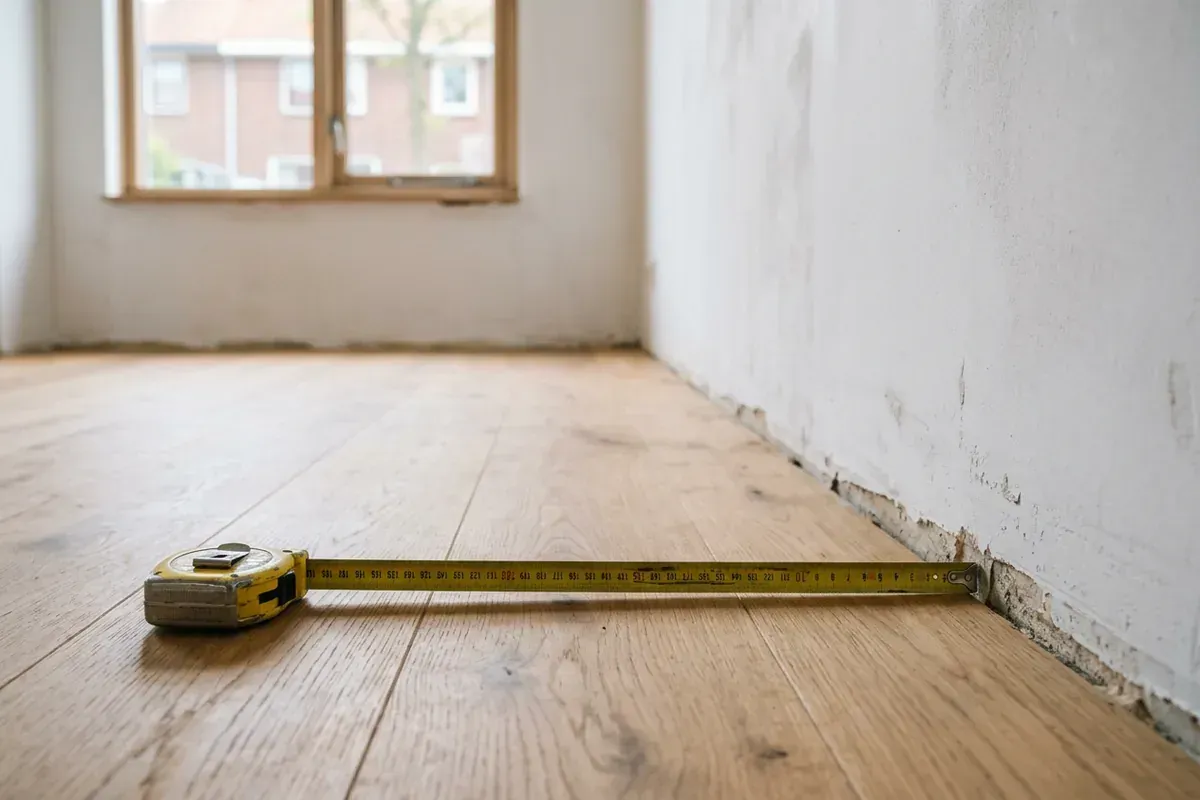
A linear metre is a metre measured along the length, regardless of the width or height of the material. Skirting boards, architraves, decorative mouldings and caulk joints are measured and ordered in linear metres. A skirting board 12 cm high and one 7 cm high are therefore both simply counted per metre of length. The term running metre is also used.
What is a linear metre?
Floors and walls are often calculated in square metres. With mouldings only the length matters, because the profile has a fixed width and height. That is why linear metres are used.
An example: a room of 4 by 5 metres has a perimeter of 18 metres. Subtract a door opening of 0.9 metres and you are left with about 17 linear metres of skirting.
Where is it used?
- When measuring and ordering skirting boards and mouldings.
- For caulking, where the number of metres of joint is counted.
- In a quote for skirting board installation, as one of the factors alongside corners, material and finish.
What should you look out for?
- Door openings: subtract the width of doors and openings.
- Small sections: boxings, alcoves and chimney breasts add extra metres and extra corners.
- Corners: the number of internal and external corners determines how many mitre joints need to be cut.
- Offcuts: skirting boards are supplied in fixed lengths. Cutting to length and mitring leaves offcuts; allow a margin for this when ordering.
- More than just metres: the amount of work depends not only on the length, but also on the substrate, the flatness of the walls and the finish.
You can read what the cost depends on in skirting board installation cost: what does it depend on?.
At TipTop Plinten
When requesting a quote, an estimate of the number of linear metres is useful, together with the location, type of room, material, colour and floor type. If in doubt, a site survey at your home is possible. Read more about skirting board installation.
Frequently asked questions
Yes, in practice both terms mean the same thing: a metre measured along the length. For skirting boards and mouldings it is the standard unit.
Measure the length of all the walls where skirting will go and add them up. Subtract the width of door openings and include small wall sections around boxings and alcoves. Also note the number of internal and external corners, because they partly determine how much cutting is involved.
Related
Site survey
During a site survey, the measurements and conditions are recorded on site: metres, corners, walls and floor. That makes the quote and the materials precise.
Skirting board
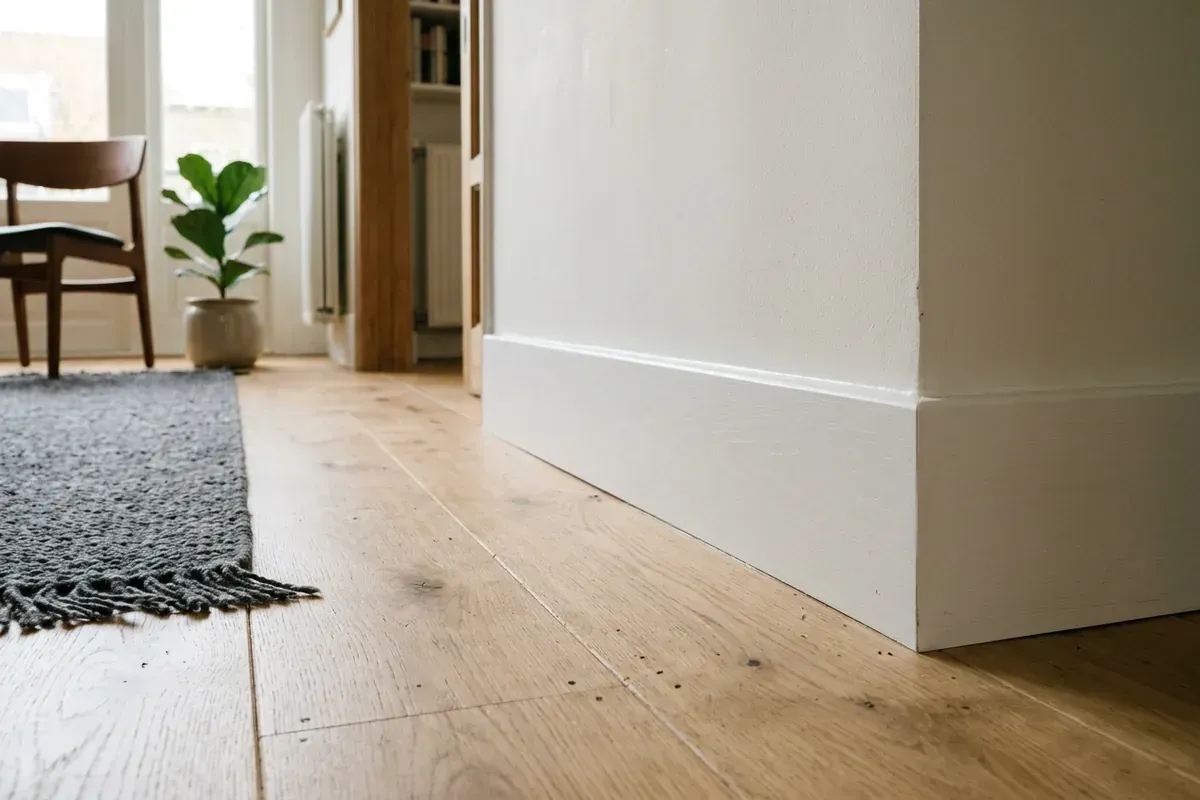
A skirting board is the moulding at the base of the wall that finishes the transition to the floor and protects the wall. Here is how it works and what to look out for.
Mitre joint
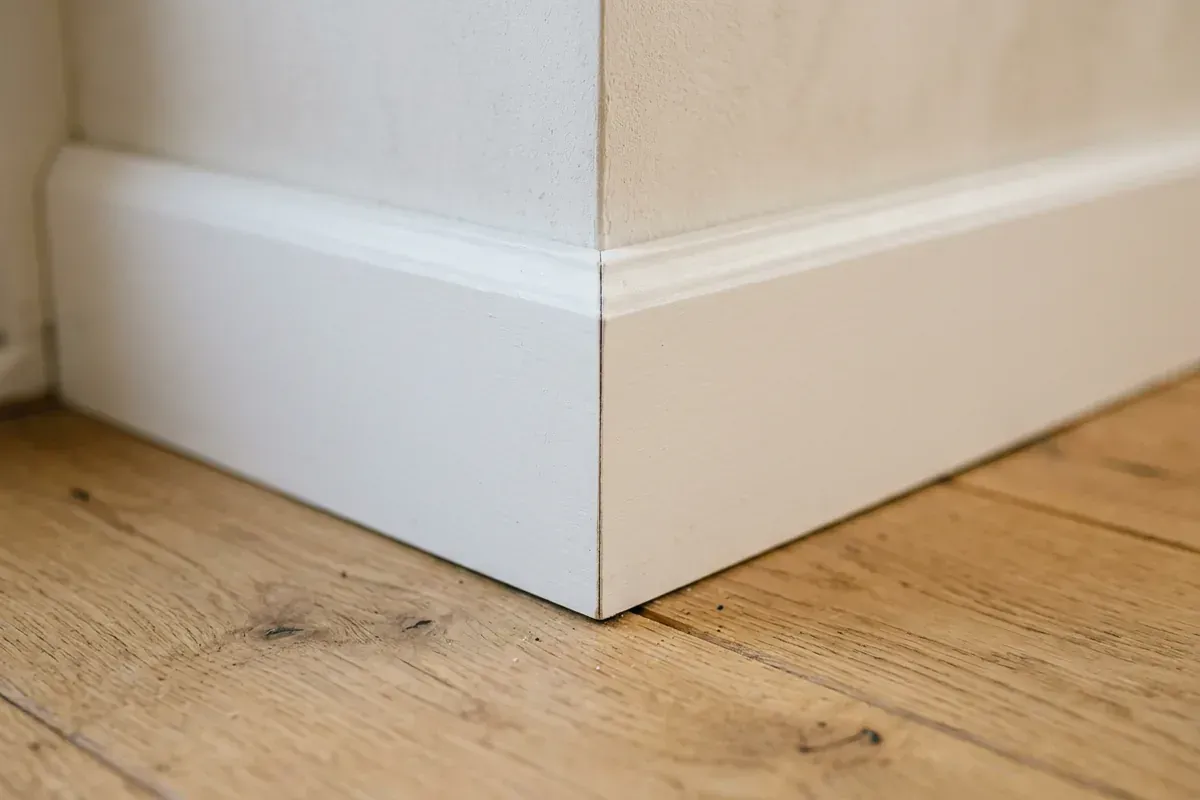
A mitre is an angled cut that lets two mouldings meet seamlessly in a corner. For a right angle, that is usually 2 x 45 degrees.
Internal & external corner
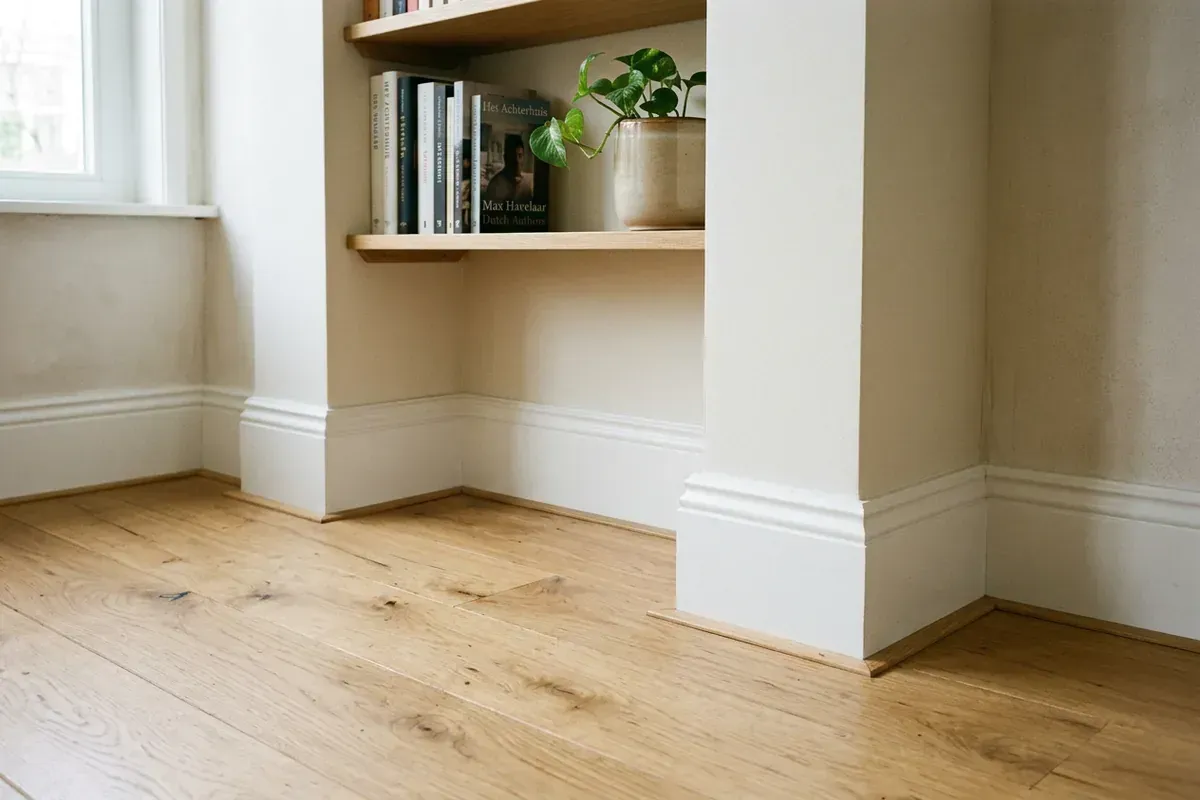
An internal corner points away from you, an external corner points towards you. With skirting boards, each type of corner needs its own cutting direction and approach.
Costs & process
Skirting board installation cost: what does the price depend on?
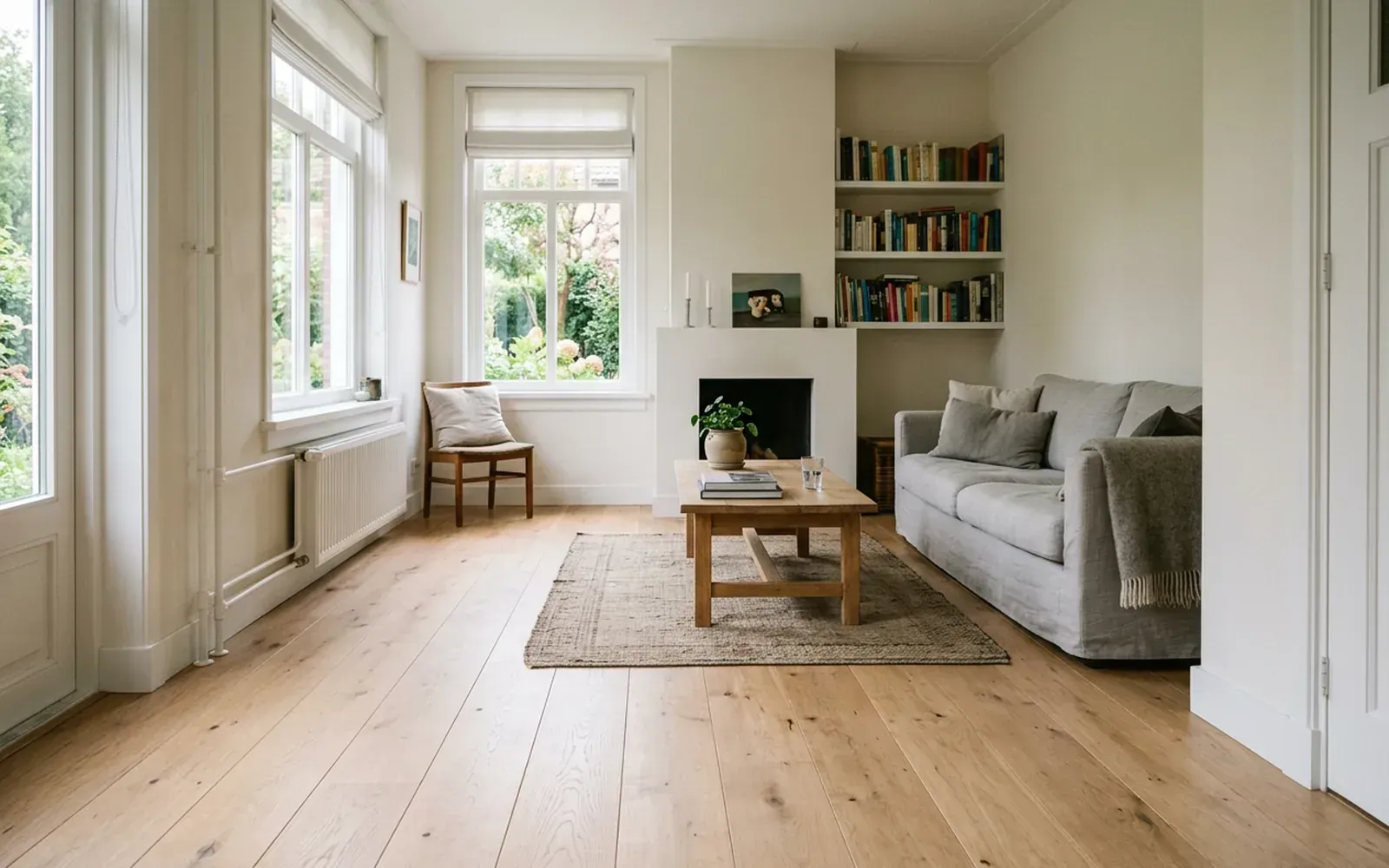
The cost of having skirting boards fitted depends on metres, corners, material, height, wall surface and finish. Here is how to get a quote that is accurate.
Costs & process
Having skirting boards fitted: how it works from enquiry to finish
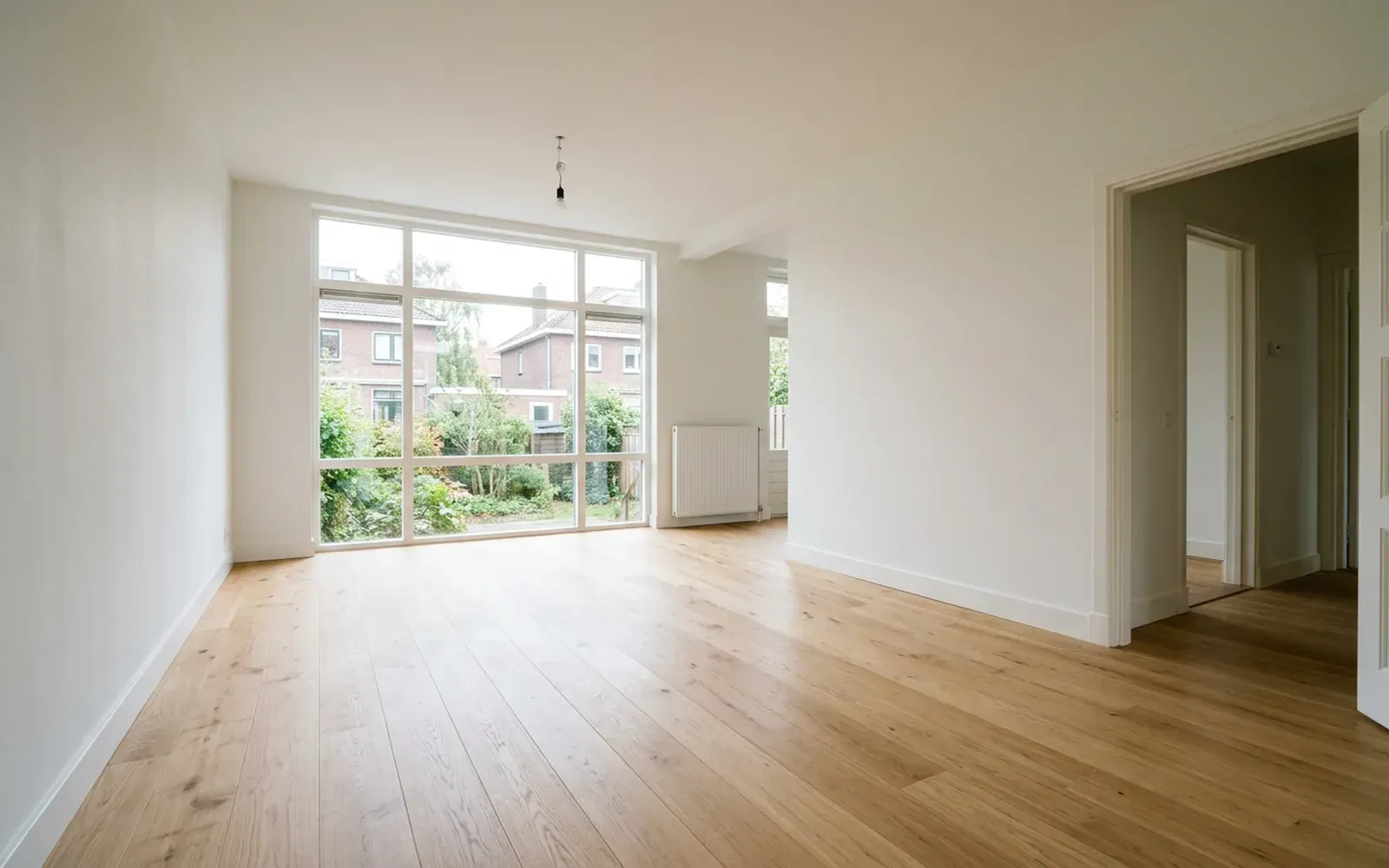
From the first message to the final caulk line: this is how having skirting boards fitted by TipTop Plinten works, and what you can arrange yourself beforehand.
Skirting board installation by a specialist skirting fitter
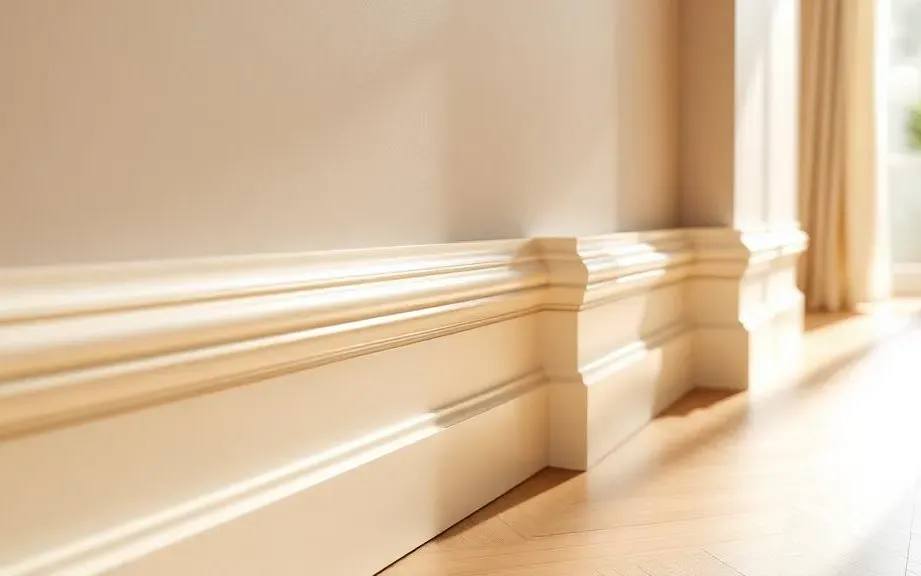
TipTop Plinten fits skirting boards in MDF, solid wood and aluminium, finished in any RAL colour and neatly matched to any floor, even with uneven walls.
Skirting board installation? Request a free quote
On-site measurement €75 incl. VAT (credited for orders above a minimum project size)