
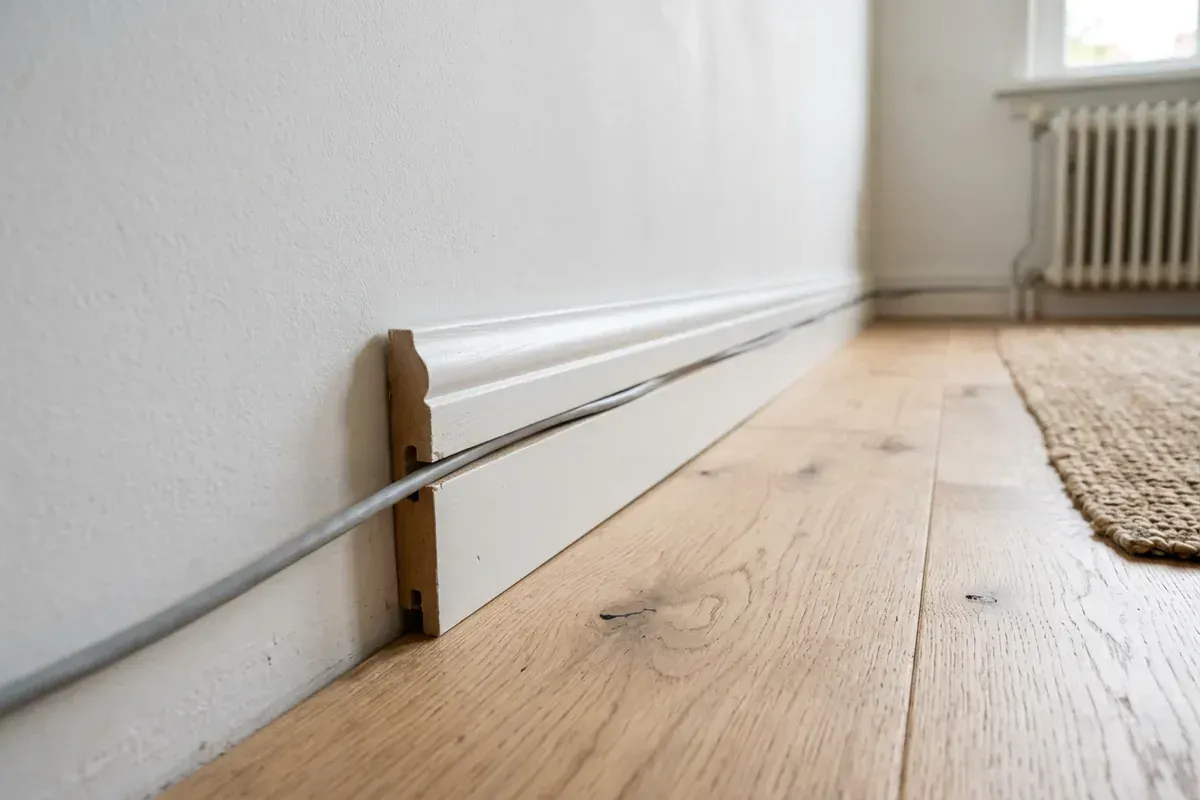
Cable skirting is a skirting board with a recess or channel in which cables can be concealed. That way, leads for the TV, internet or speakers, for example, disappear neatly out of sight, without having to chase grooves into the wall. From the front, cable skirting looks like an ordinary skirting board.
What is cable skirting?
There are roughly two versions:
- Skirting with a channel at the back: an MDF skirting board with one or more grooves routed into the back. The cables are laid in the channel during installation, after which the skirting goes against the wall.
- Skirting with a removable cover: a profile, for example in aluminium, where the front or a flap can be removed to add cables later.
Where is it used?
- In living rooms with a TV wall or sound system.
- In home offices and offices with network cables.
- During renovation, when chasing grooves into the wall is not wanted.
- In new builds, where cables are only added after handover.
What should you look out for?
- Capacity: check how many cables, and how thick, need to go in. Tall skirting often has room for a wider channel.
- Mains voltage: concealing power cables falls under the rules for electrical installations. Have that assessed by a qualified electrician.
- Access: if you want to add or replace cables later, choose a version that can be opened.
- Corners: cables need to be able to make a generous bend in the corner. This is taken into account at the mitre joints.
- Exit points: decide in advance where the cables leave the skirting, for example at a wall socket or a piece of furniture.
You can find more practical tips in skirting boards with a cable channel.
At TipTop Plinten
Cable skirting can be made in MDF or aluminium, two of the materials TipTop Plinten works with. Discuss at the quote or site survey which cables need to be concealed and where they enter and exit. Connecting power cables requires a qualified electrician. Read more about skirting board installation.
Frequently asked questions
Usually thin cables such as network, coaxial, speaker and low-voltage cables. How many fit depends on the size of the channel. Separate rules apply to mains cables; always have that assessed by a qualified electrician.
That depends on the type. With some skirting boards the channel is accessible through a removable front or top. With a glued MDF skirting board with a channel at the back, the cables have to go in during installation.
Related
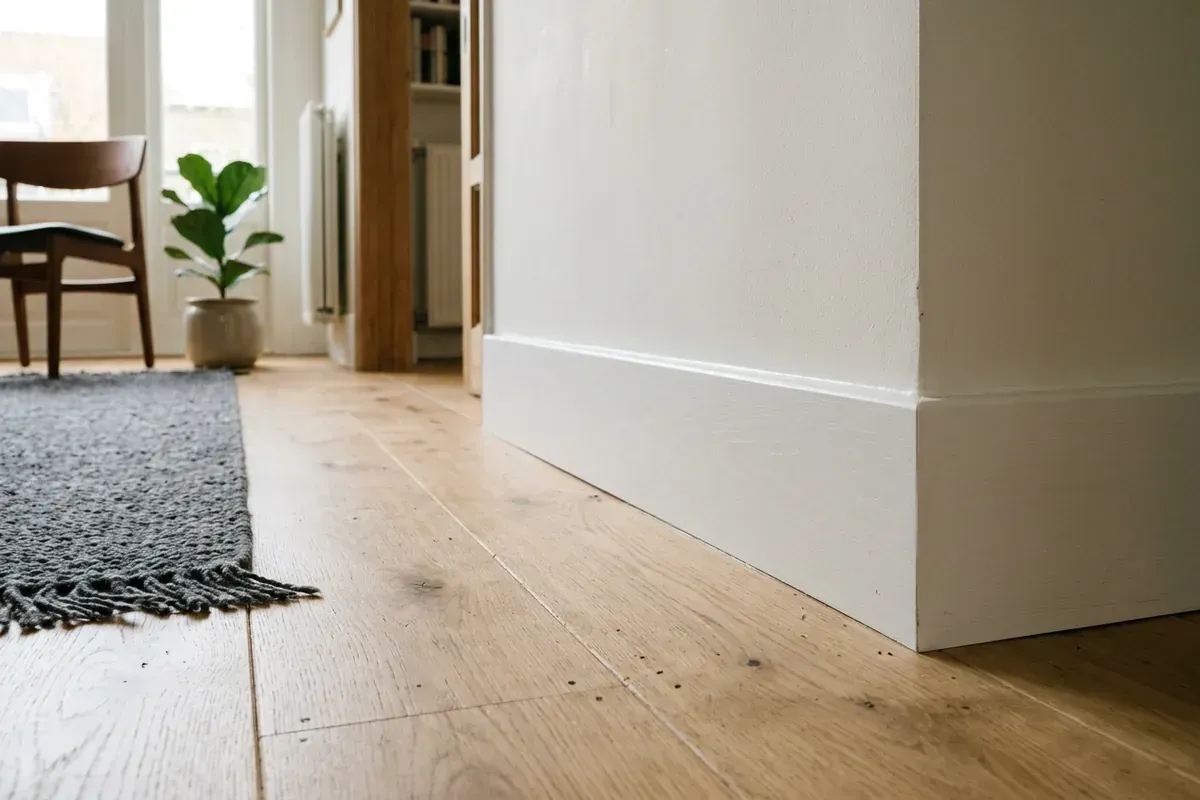
Skirting board
A skirting board is the moulding at the base of the wall that finishes the transition to the floor and protects the wall. Here is how it works and what to look out for.
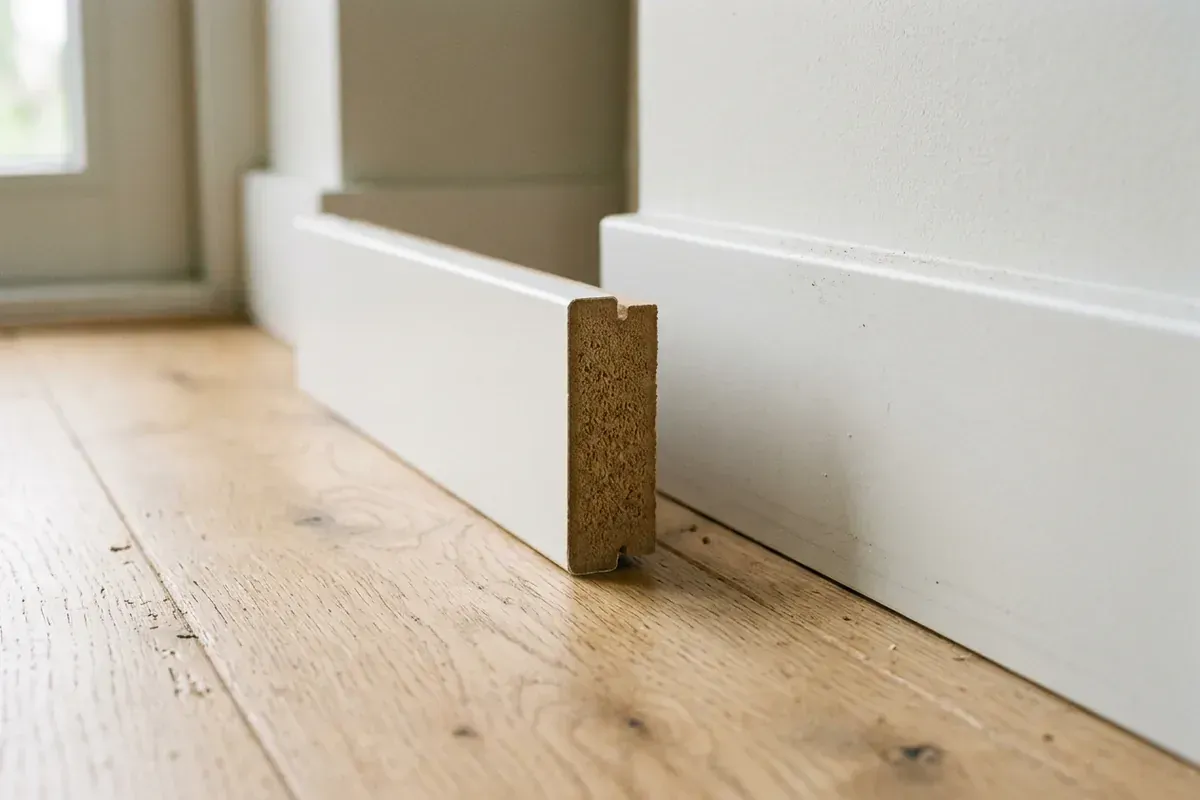
MDF
MDF is a sheet material made of pressed wood fibres. It is stable, smooth and easy to paint, which makes it the most popular material for skirting boards.
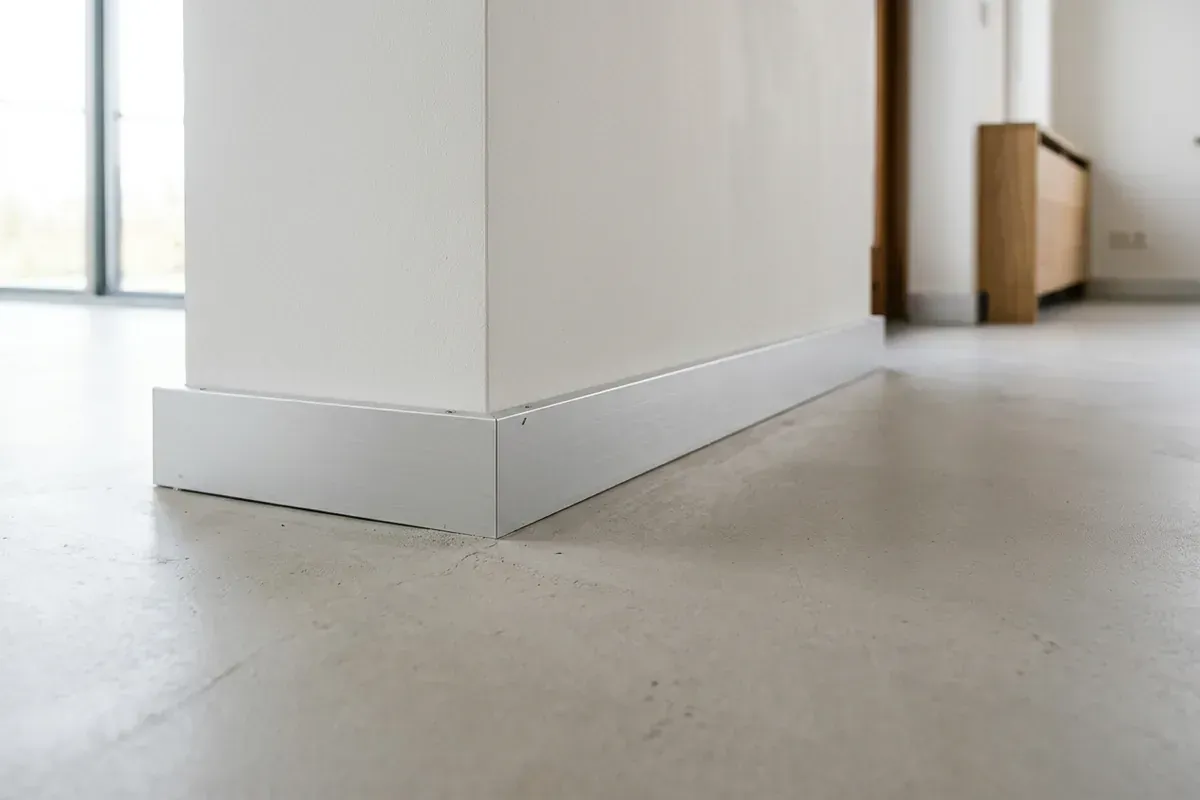
Aluminium skirting
Aluminium skirting is a slim metal profile at the base of the wall. It suits sleek, modern interiors and can be combined with LED lighting.
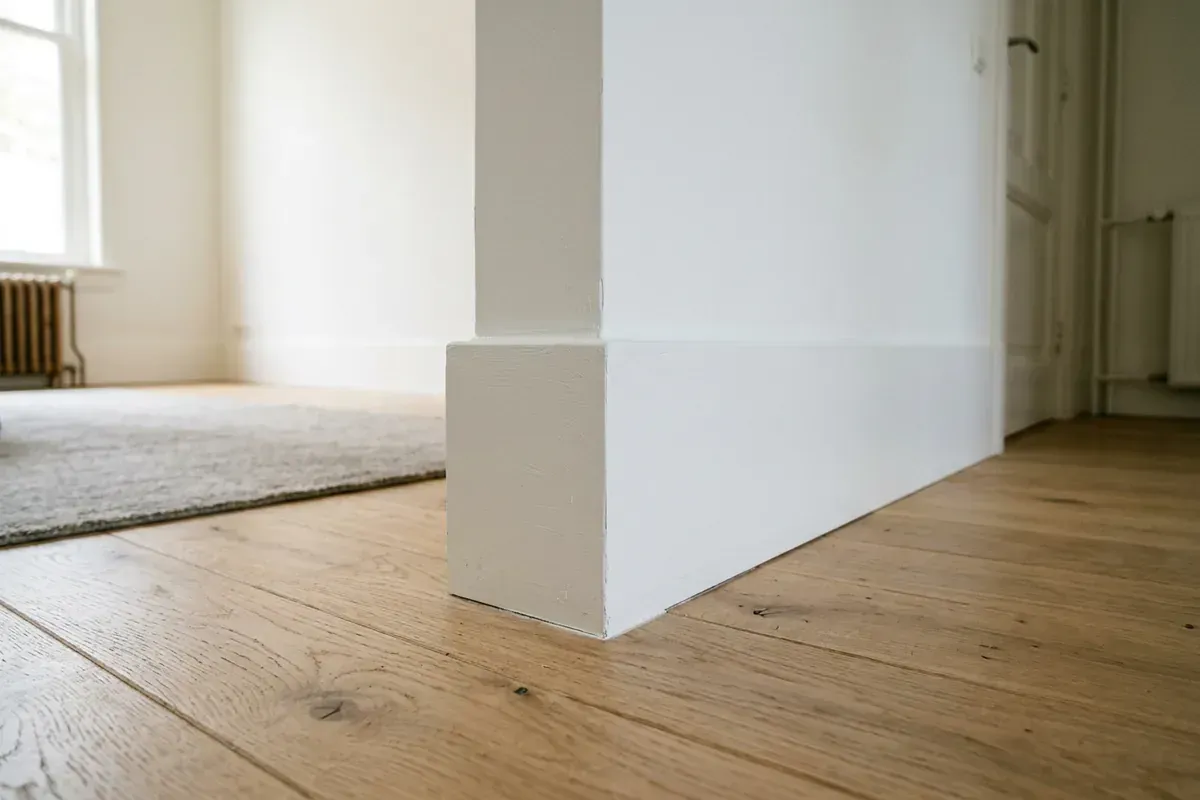
Tall skirting
Tall skirting is usually 12 cm or higher. It gives a room calm and elegance, provided the height suits the ceiling and the interior.
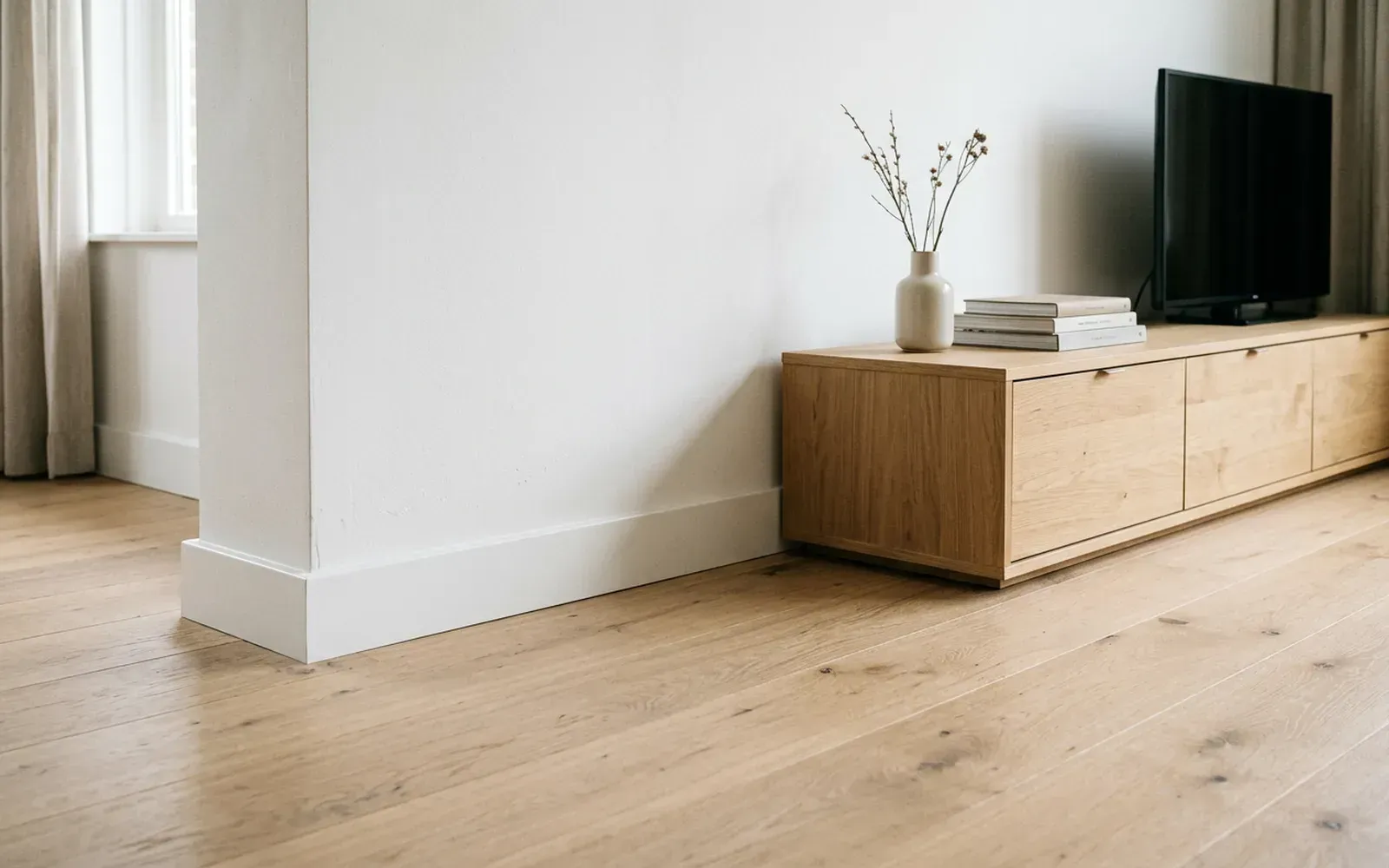
Choosing skirting
Skirting boards with a cable channel: hiding cables neatly
Want network, TV and speaker cables out of sight along the wall? A skirting board with a cable channel can do that. Here are the types, the possibilities and the limits.
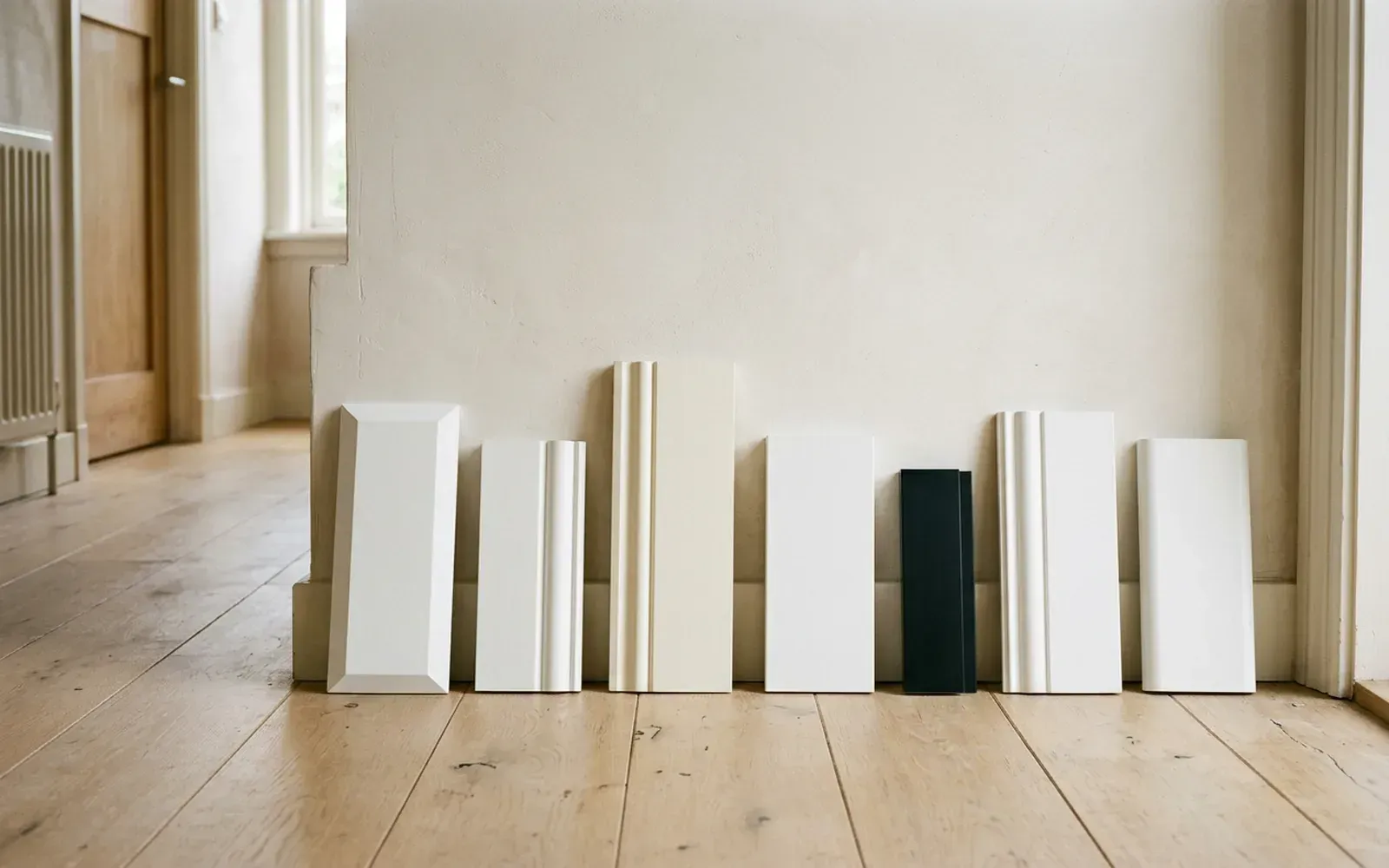
Choosing skirting
Which skirting boards to choose? A checklist for types, height and colour
Not sure which skirting boards to choose? This checklist takes you through every decision, from material and height to colour, floor and fixing, so you choose a skirting board that fits.

Skirting board installation by a specialist skirting fitter
TipTop Plinten fits skirting boards in MDF, solid wood and aluminium, finished in any RAL colour and neatly matched to any floor, even with uneven walls.
Skirting board installation? Request a free quote
On-site measurement €75 incl. VAT (credited for orders above a minimum project size)