
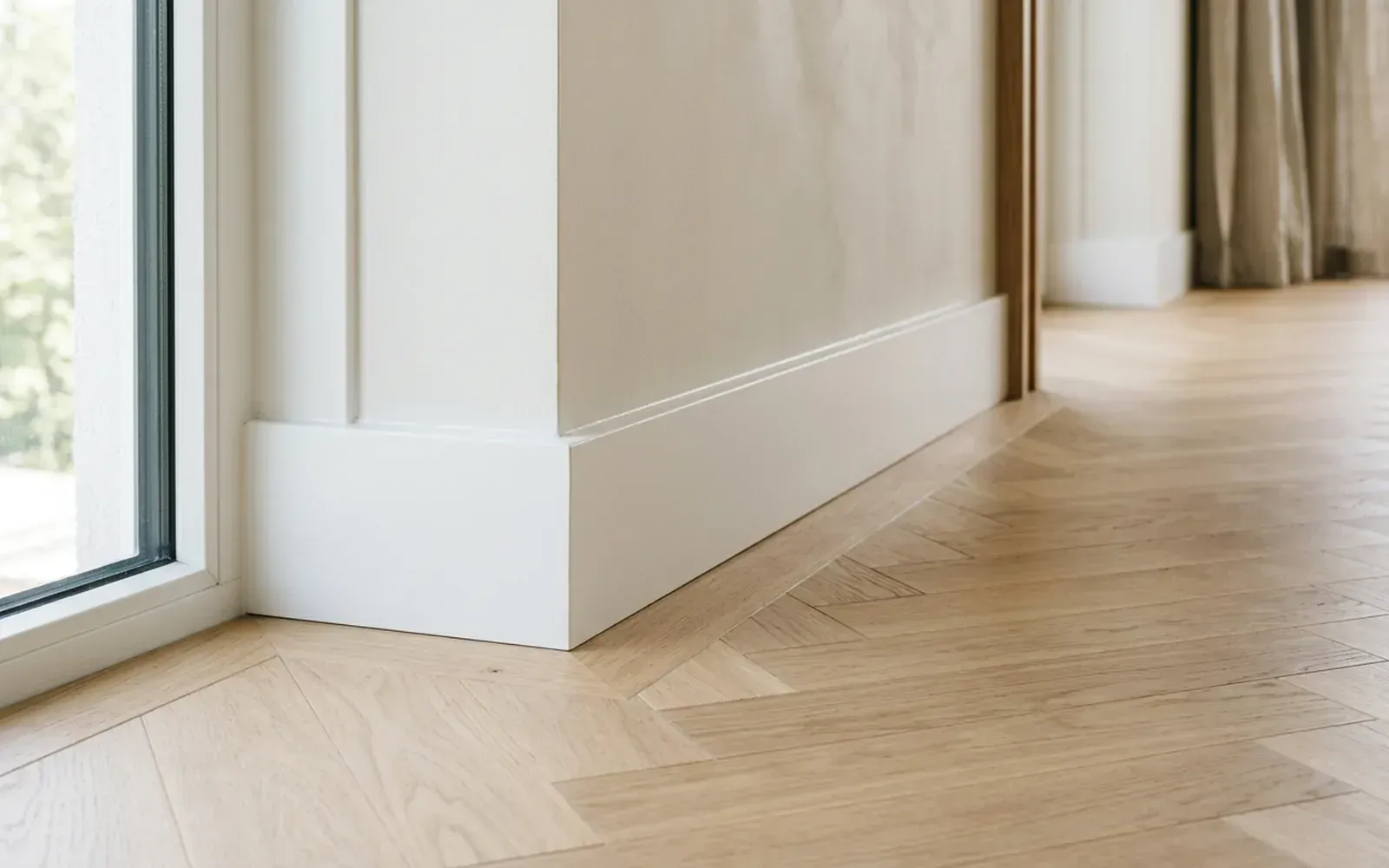
MDF skirting boards are the most popular skirting boards in Dutch homes, and not without reason. MDF is dimensionally stable, has no knots or grain, can be painted smoothly in any RAL colour and is available in virtually every height and profile. Its main drawback is sensitivity to moisture: standard MDF can swell if it gets wet. For most living spaces a good MDF skirting board is therefore an excellent choice, while for damp areas you are better off with moisture-resistant MDF or another material.
Below we list the advantages and disadvantages of MDF skirting boards, and explain when you are better off going for solid wood or aluminium.
What exactly is MDF?
MDF stands for Medium Density Fibreboard. It is a board material made of fine wood fibres pressed with a binder under high pressure into a uniform board. Because it has no grain, MDF moves much less than solid wood: it hardly warps and shrinks or expands very little with changes in temperature and humidity.
MDF skirting boards are machined from board and then primed, painted or wrapped in foil. That is why they are available in many profiles and heights, from a sleek 7 cm to tall skirting boards of 15 or 18 cm.
Advantages of MDF skirting boards
Dimensionally stable and straight
An MDF skirting board is straight along its entire length and stays that way. Solid wood can move a little during dry heating seasons or humid summers. With MDF this happens much less, which means joints and mitres stay closed better.
Paints to a crisp finish in any colour
Because MDF has no wood structure, the paint goes on evenly and smoothly. That makes MDF ideal for skirting in a solid colour, such as white skirting in RAL 9010 or 9016 or black skirting in RAL 9005.
A wide choice of profiles
From modern and straight to classically profiled: almost every profile is available in MDF. MDF skirting boards can also be given a groove at the back for cables. Read more about this in skirting boards with a cable channel.
Pleasant to work with
MDF cuts and mitres cleanly. There are no knots that can break out when cutting. For crisp mitres in internal and external corners, that is a big advantage.
Disadvantages of MDF skirting boards
Sensitive to moisture
This is the main point to watch. If standard MDF is in contact with water for a long time, for example due to a leak, a wet mop hitting the skirting every day or rising damp, the material can swell. The bottom and cut edges are especially vulnerable, because there is no paint there.
Solution: in rooms where moisture is likely, choose moisture-resistant MDF. It copes better with a damp environment, but it is not a waterproof material. Also seal cut edges properly and make sure the caulking is sound.
Edges can get damaged
MDF is fairly hard, but a hard knock from a vacuum cleaner or furniture leg can cause a small dent or a damaged edge. Minor damage is easy to repair with filler and paint, but it is something to bear in mind in busy areas.
Fixing needs care
MDF can split if you screw or nail too close to the edge. Skilled fitting with construction adhesive, the right fixings and pre-drilling where necessary prevents this. A skirting board held on an uneven wall by just a few nails will show gaps over time.
No wood structure
If you want to see the warmth of real wood, with grain and colour variation, MDF is not the right choice. That is what solid wood is for.
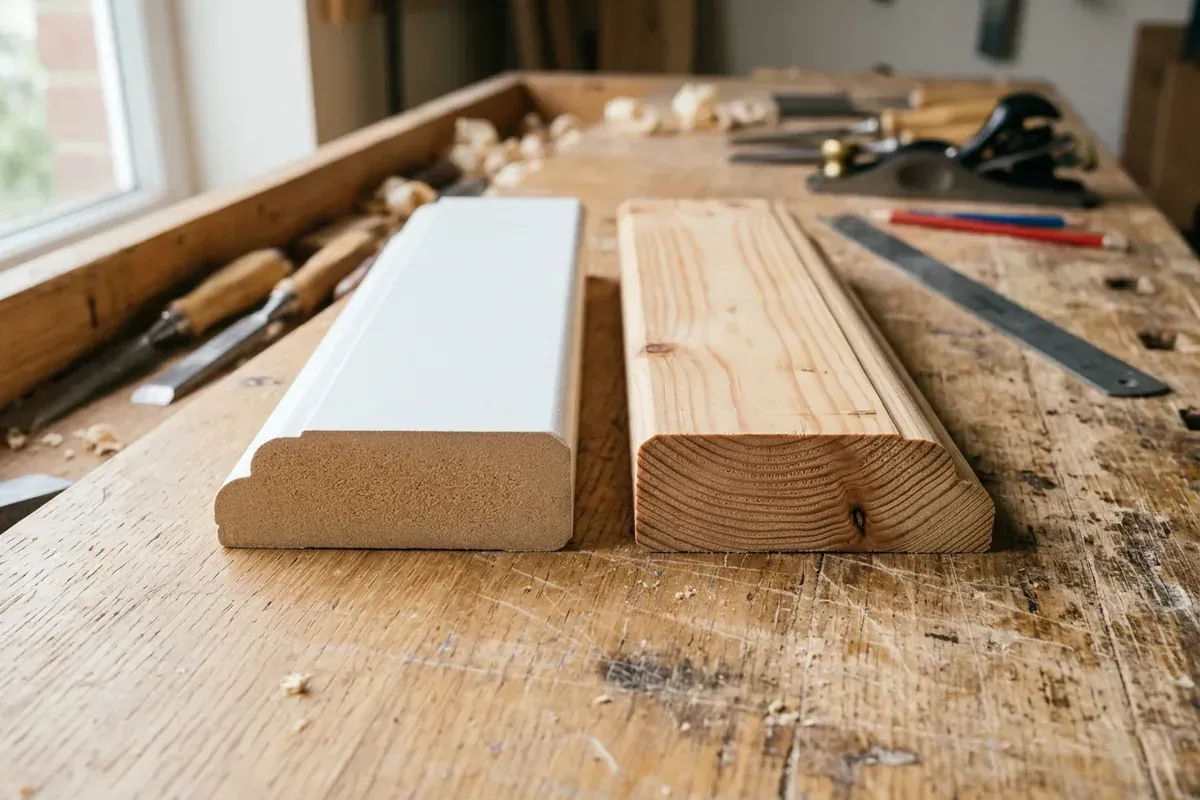
MDF, solid wood or aluminium: a comparison
| MDF | Solid wood | Aluminium | |
|---|---|---|---|
| Dimensional stability | Very good | Can move | Very good |
| Finish | Evenly painted in any RAL colour | Painted, stained or oiled | Anodised or powder-coated |
| Moisture | Standard MDF sensitive, moisture-resistant MDF better | Depends on wood species and finish | Unaffected |
| Look | Crisp, even | Warm, crafted | Modern, minimalist |
| Typical use | Most living spaces | Listed, classic | Sleek modern, commercial |
Read more about aluminium in our article on aluminium skirting boards.
Pre-finished or paint-ready?
MDF skirting boards broadly come in two versions:
- Pre-finished: the skirting is fully painted at the factory. After fitting, the joints and nail holes are touched up and caulked. That saves painting work in the home.
- Paint-ready: the skirting has a primer coat and is given its top coat after fitting. This lets you match the colour exactly to doors or frames.
Which version makes most sense depends on the colour you want and whether other painting work is being done in the home.
How do you recognise a good MDF skirting board?
Not every MDF skirting board is the same. When choosing, pay attention to:
- Thickness. Skirting that is too thin feels less sturdy and does not always cover the expansion gap properly with floating floors.
- Paint finish. A smooth, even coat of paint without ridges or runs is a sign of careful production.
- Finished top edge. With cheap skirting, the top edge is sometimes machined less crisply, which remains visible after painting.
Where are MDF skirting boards most suitable?
- Living rooms, bedrooms, hallways and landings.
- On laminate, vinyl (PVC), parquet and herringbone floors. On a herringbone floor in Oss, for example, we fitted crisp MDF skirting boards with caulking.
- In new builds, where walls are often still straight and flat.
- In renovations where an even colour is wanted.
Standard MDF is less suitable in rooms where water regularly gets on the floor. There, moisture-resistant MDF or another material is the wiser choice.
Why TipTop Plinten does not fit plastic skirting boards
Plastic skirting boards are often the cheapest alternative and are unaffected by moisture. Even so, TipTop Plinten deliberately chooses not to fit them. Their look, the way they mitre and their finish do not match the crisp result we stand for. That is why we work with MDF (moisture-resistant where necessary), solid wood and aluminium.
Advice on MDF skirting boards?
Would you like to know which MDF skirting board suits your floor, walls and interior, or are you torn between MDF and solid wood? Take a look at our skirting board installation service or send a message via the contact page with a few photos, the estimated number of linear metres and the floor type. We are happy to communicate in English. The quote is free and without obligation. An optional on-site measurement is available for €75 incl. VAT, deducted as a discount for projects above a minimum size.
Frequently asked questions
Yes, provided you choose the right type. MDF is dimensionally stable, has no knots and can be painted to a crisp finish. The quality of the paint or primer and the thickness of the skirting make a big difference to how it looks after years of use.
Standard MDF can swell if it gets wet for long periods, especially at the bottom and at cut edges. Moisture-resistant MDF copes better with a damp environment, but it is not waterproof. In rooms where moisture is likely, it is also important that cut edges and the underside are properly sealed.
That depends on the interior. MDF is the logical choice for painted skirting in an even colour. Solid wood is better suited to listed buildings, visible woodwork and situations where you want to show the wood grain.
That depends on the type. There are pre-finished MDF skirting boards that only need caulking after fitting, and paint-ready skirting boards with a primer coat that still need a top coat. TipTop Plinten can supply and fit skirting boards finished in any RAL colour.
No. TipTop Plinten deliberately works with MDF, solid wood and aluminium. Plastic skirting boards are not fitted, because their look and finish do not match the result we stand for.
Related articles
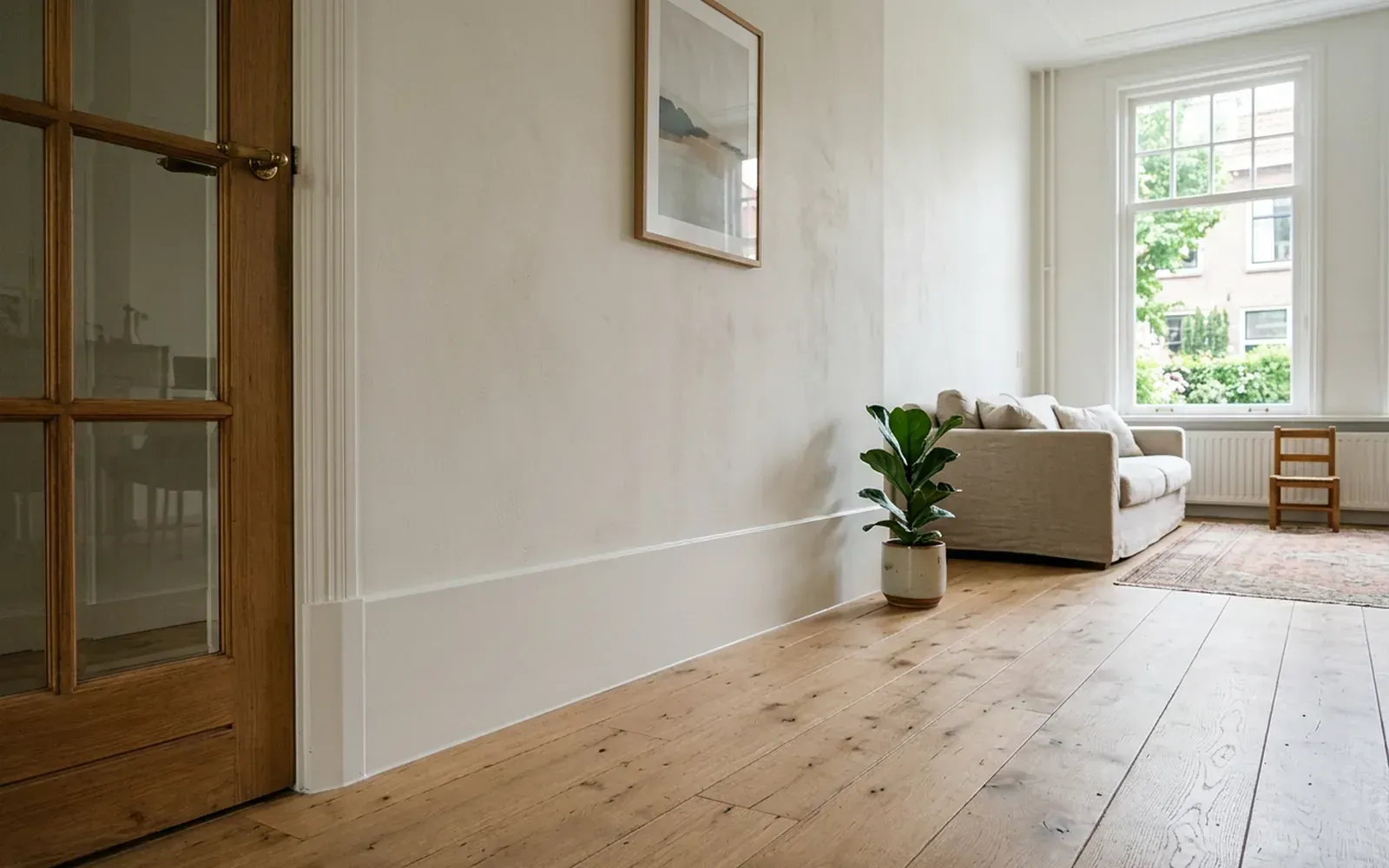
Choosing skirting
Tall skirting boards: which height suits your room?
Tall skirting boards give a room calm and character, as long as the height is right. Here is how to work out which skirting height suits your ceiling, floor and interior.
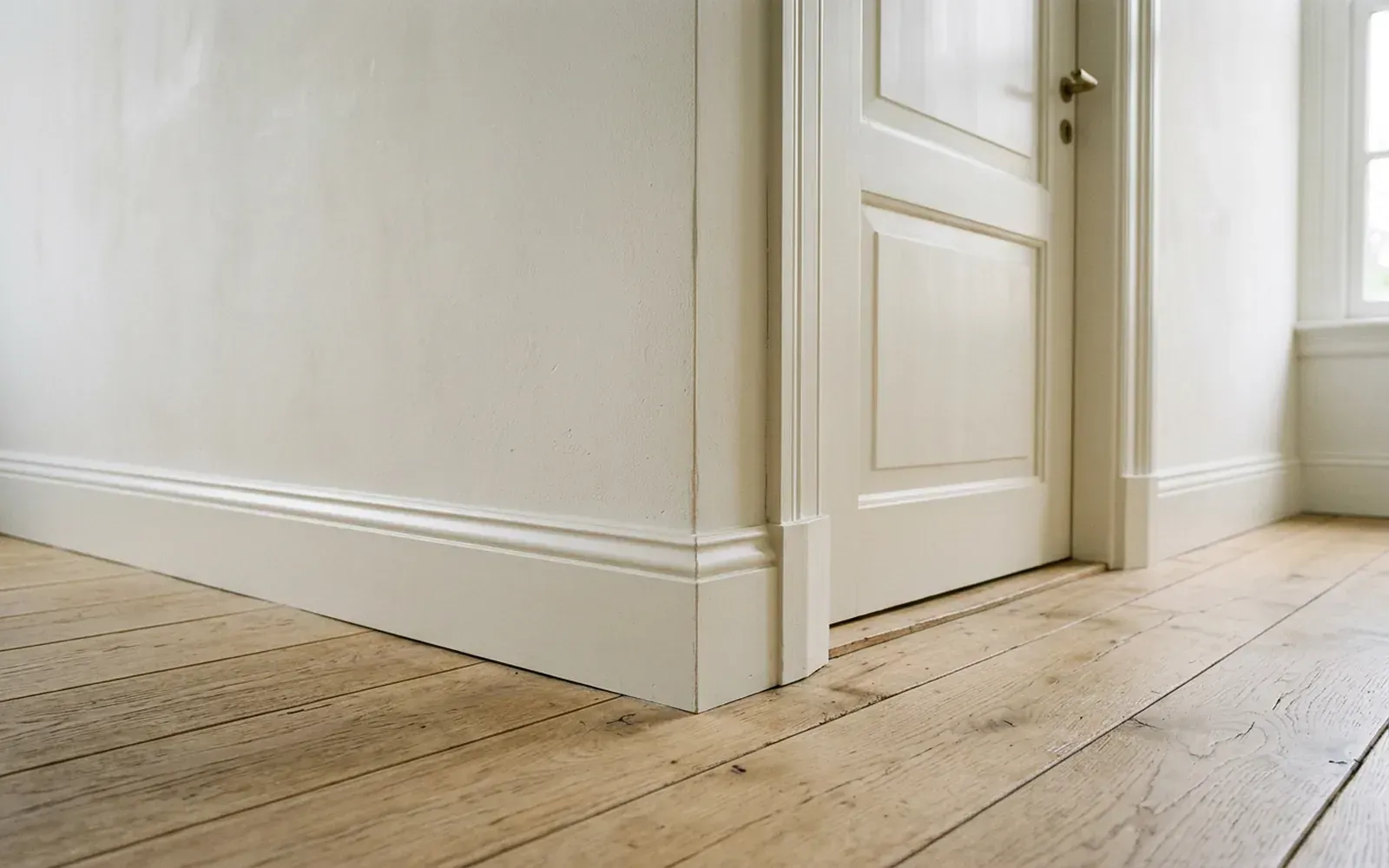
Choosing skirting
White skirting boards: RAL 9010 or RAL 9016?
White is not just white. The difference between RAL 9010 and RAL 9016 seems small, but next to a white door or wall you notice it straight away.
Choosing skirting
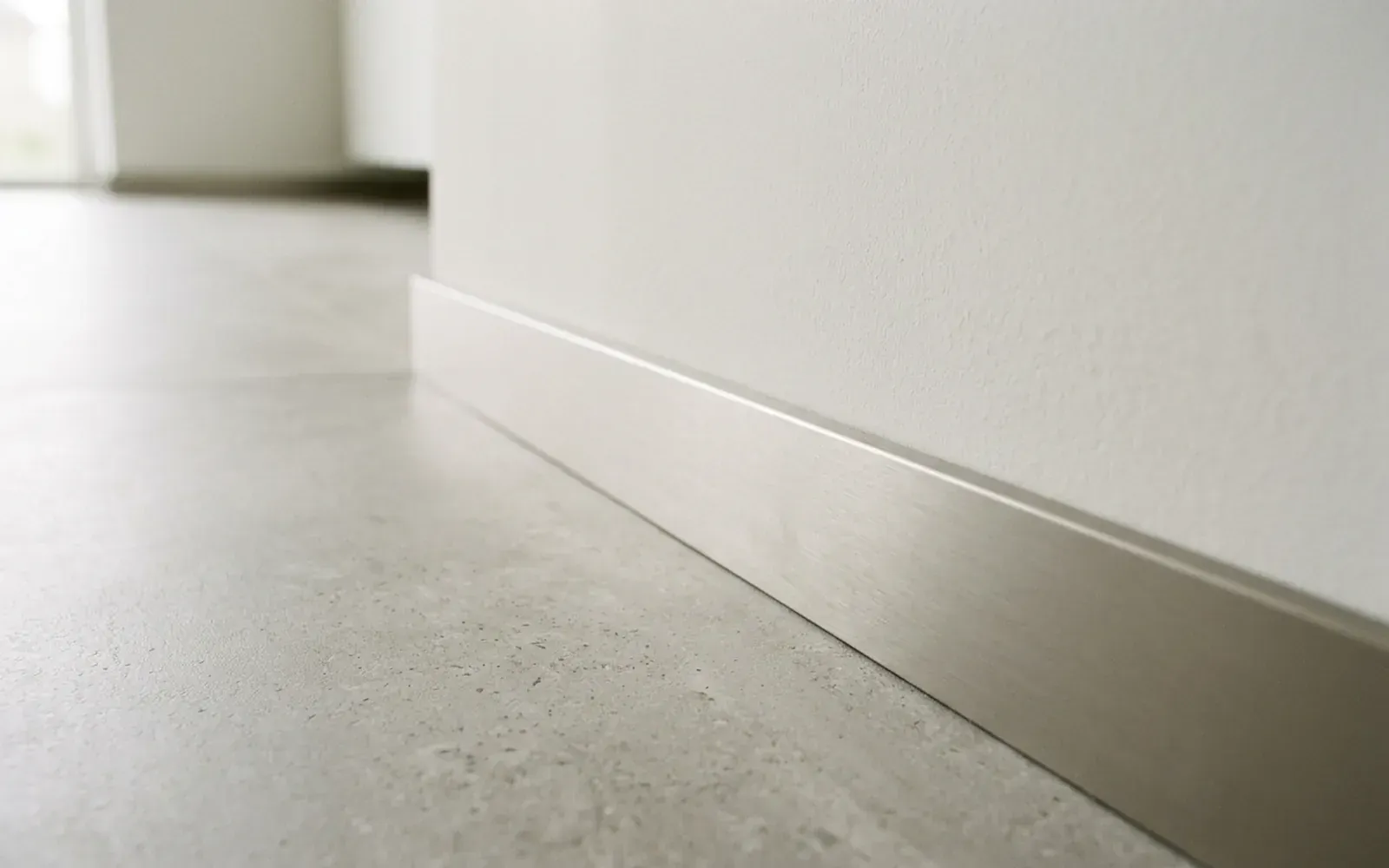
Aluminium skirting boards: sleek, modern and when they fit
Aluminium skirting boards suit sleek, modern interiors and commercial spaces. Here is how to choose between surface-mounted and recessed, and what it asks of your walls.
Related
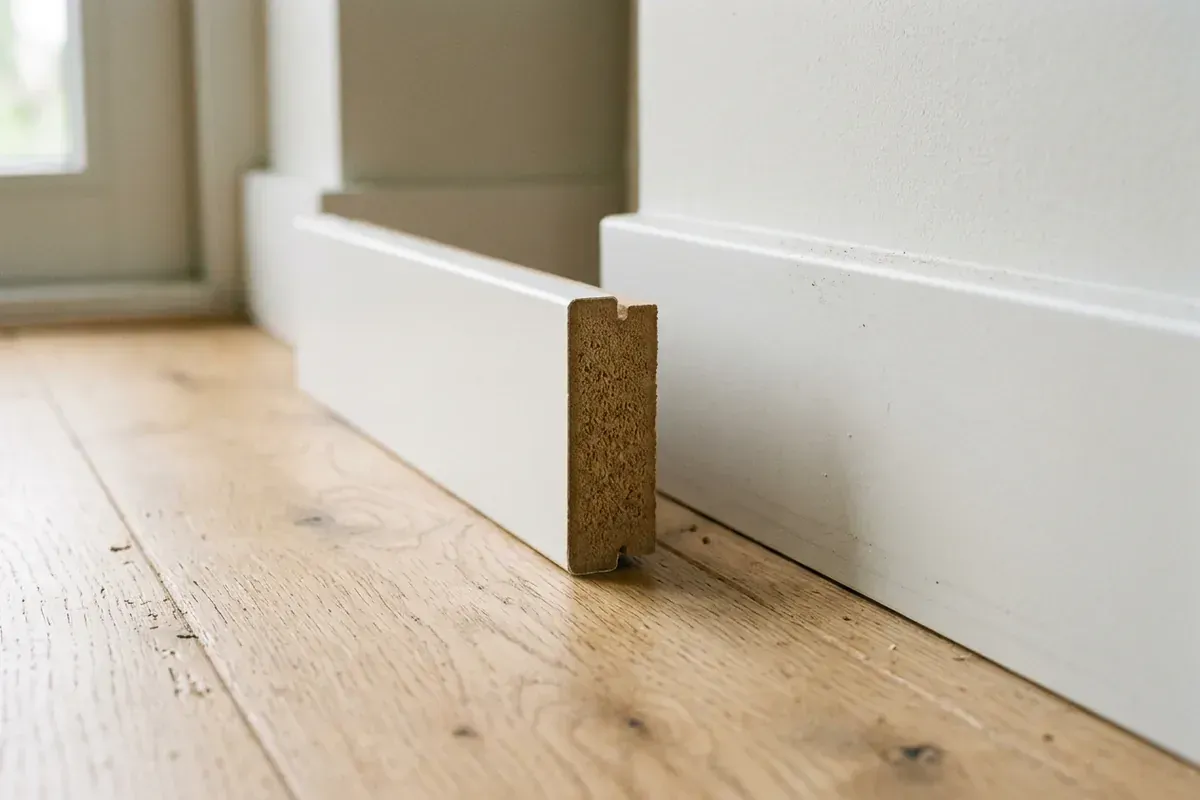
MDF
MDF is a sheet material made of pressed wood fibres. It is stable, smooth and easy to paint, which makes it the most popular material for skirting boards.
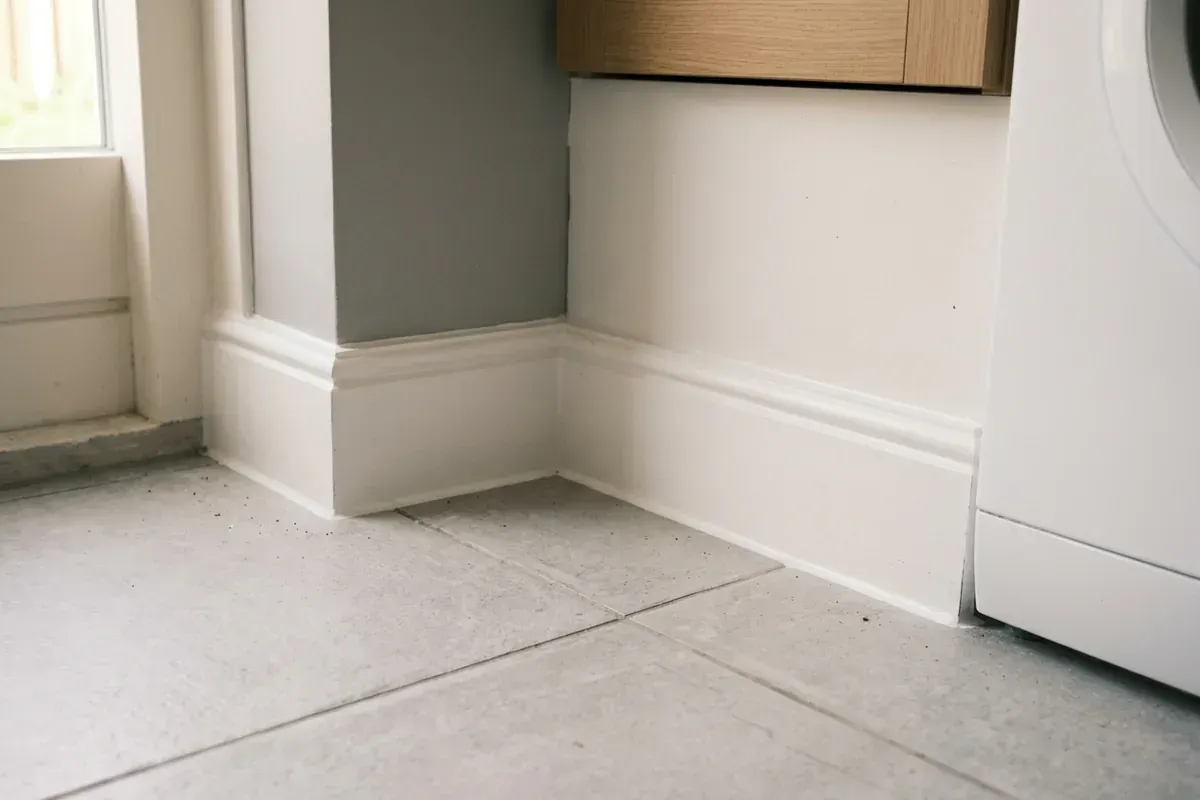
Moisture-resistant MDF
Moisture-resistant MDF is MDF treated to make it less sensitive to moisture. It is suitable for rooms where standard MDF would quickly swell.
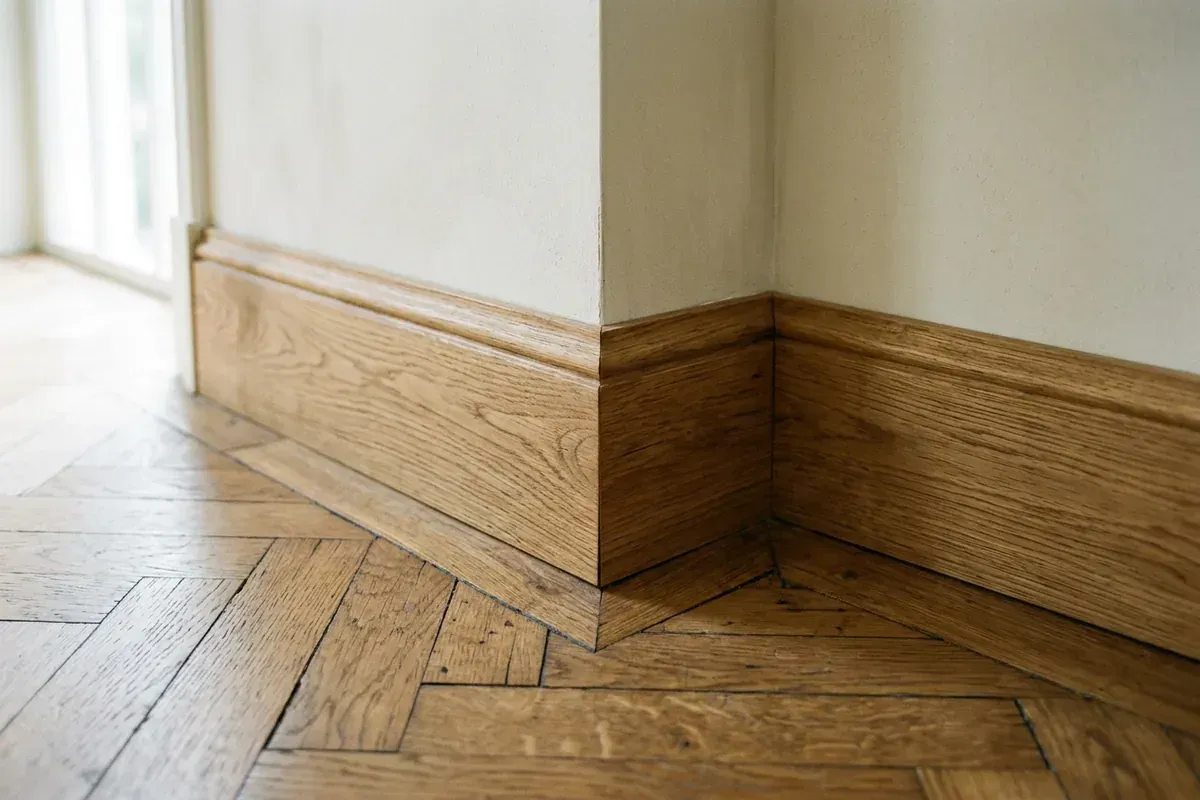
Solid wood
Solid wood is timber in one piece, without pressed fibres. It gives skirting boards a natural look, but moves with temperature and humidity.
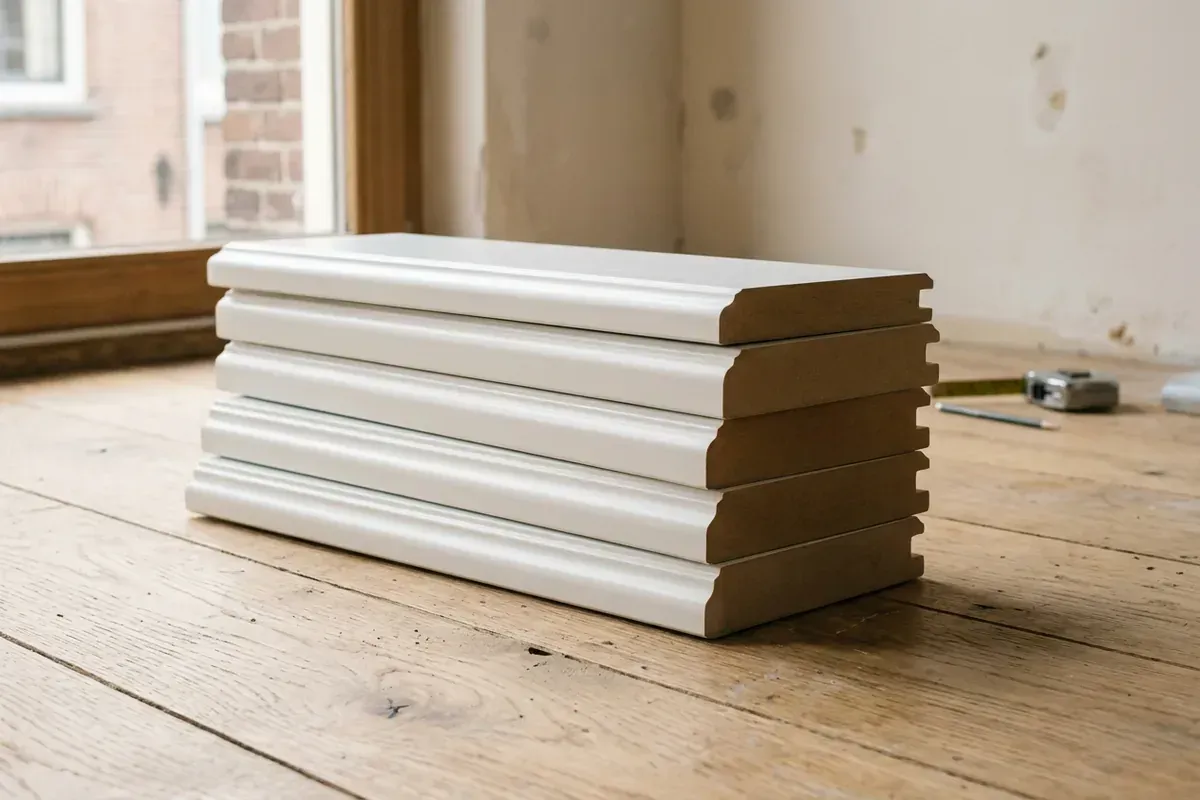
Pre-finished skirting
Pre-finished skirting has already been painted at the factory. That saves painting, but the joints and corners need neat touching up.
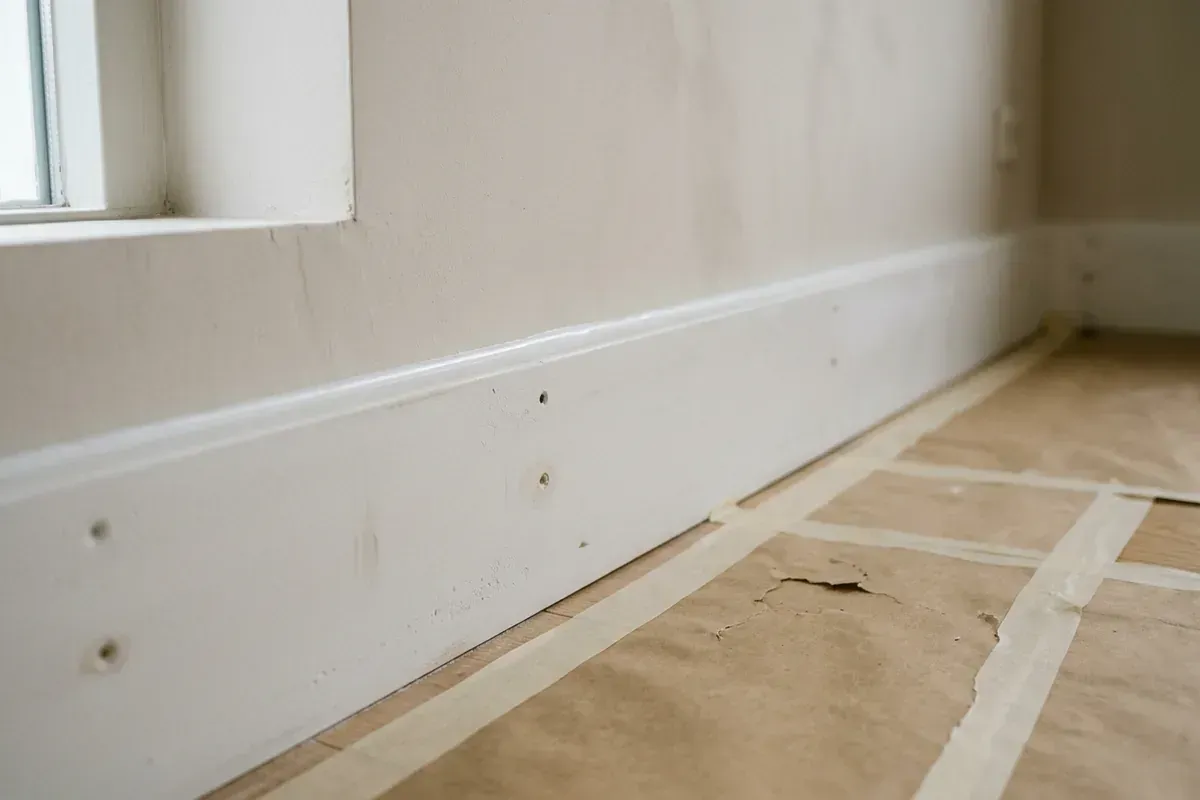
Paint-ready
Paint-ready means skirting boards and mouldings have been fitted, filled and caulked, so only the final coat of paint still needs to be applied.
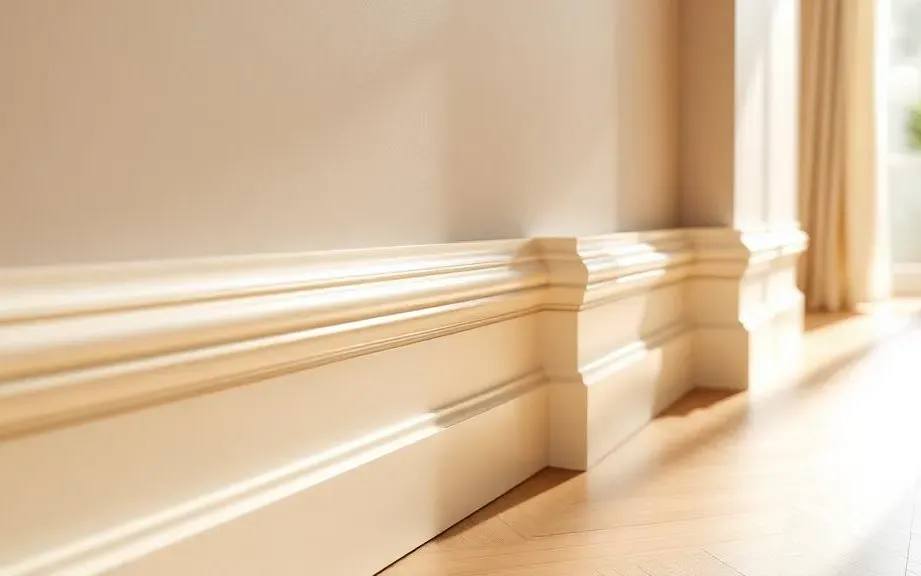
Skirting board installation by a specialist skirting fitter
TipTop Plinten fits skirting boards in MDF, solid wood and aluminium, finished in any RAL colour and neatly matched to any floor, even with uneven walls.
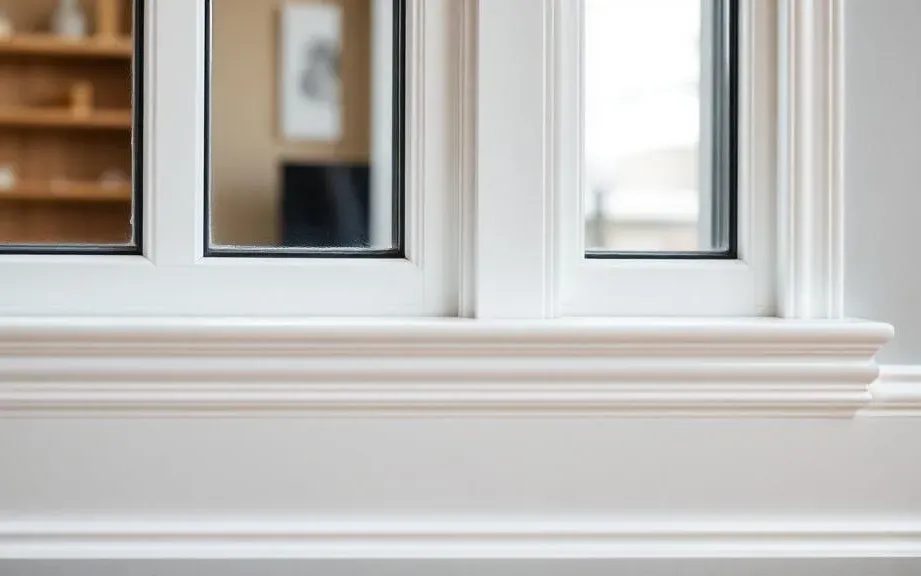
Caulking skirting boards and sealant work for a seamless finish
Caulking is the final step that makes skirting boards, mouldings and panels look seamless. TipTop Plinten uses acrylic or silicone, paint-ready or in colour.
Skirting board installation? Request a free quote
On-site measurement €75 incl. VAT (credited for orders above a minimum project size)