
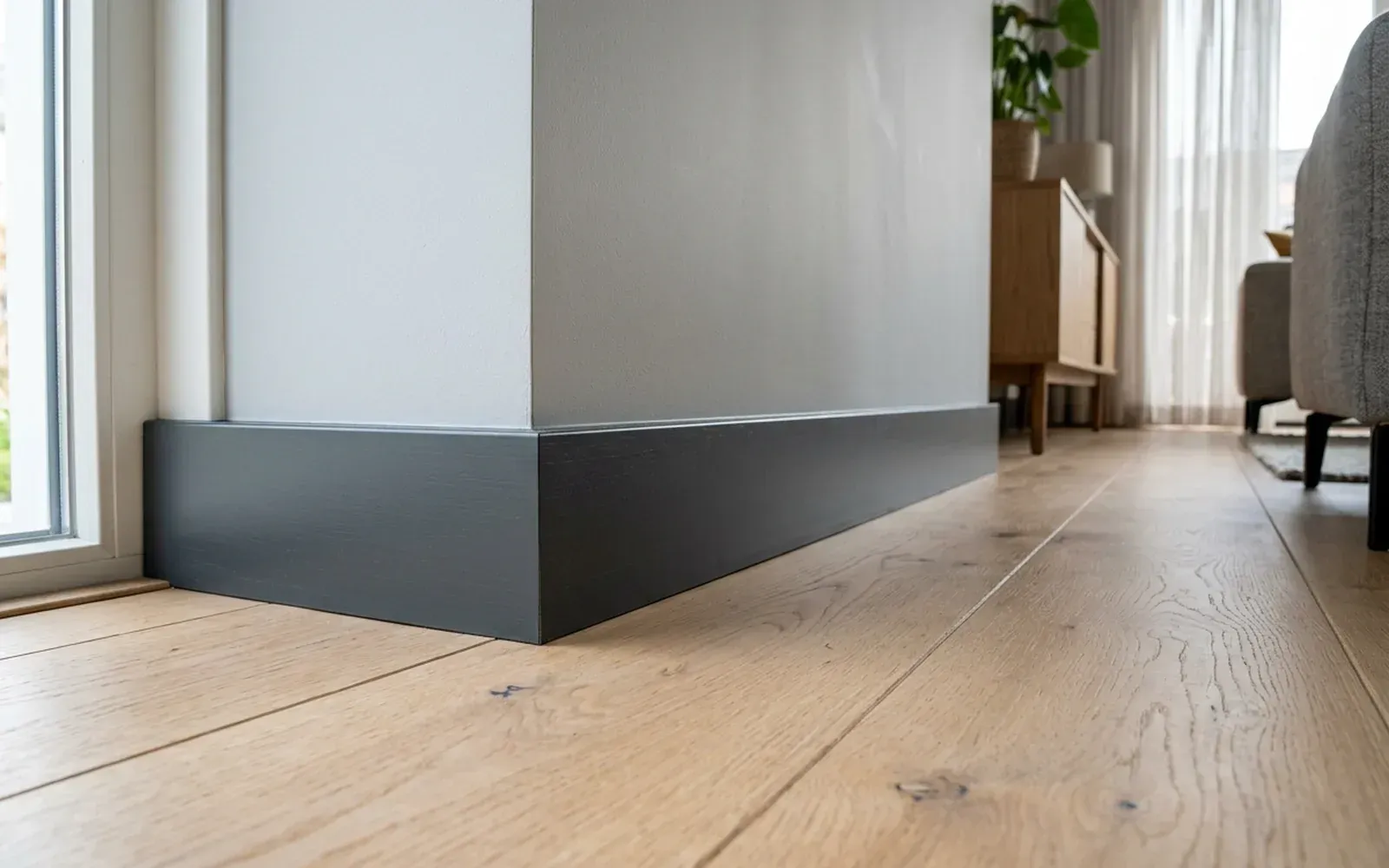
Grey skirting boards and coloured skirting are a good choice when white looks too bright and black too harsh. Popular grey shades are light grey (for example RAL 7035) and anthracite grey (RAL 7016), but skirting can be finished in any RAL colour. If the skirting follows the wall colour, it fades away and the room looks calm; if you choose a contrasting colour, you get a clear line along the floor instead. Always look at a colour on a real sample in the room itself.
In this article you can read which shades are often chosen, how to match the colour to wall and floor, and what to look for when finishing.
Why choose grey skirting boards?
White is the classic and black is popular as a contrast. Grey sits in between and has a few clear advantages:
- Less stark than white. White skirting next to a grey or coloured wall can stand out harshly. Grey joins more softly.
- Dirt is less visible. Light dust and shoe marks show less on grey than on white or on deep, matt black skirting.
- Calm with modern floors. Grey suits concrete-look floors, poured floors, grey tiles and grey-stained wood.
Which grey shades are often chosen?
| Shade | Example RAL | Effect |
|---|---|---|
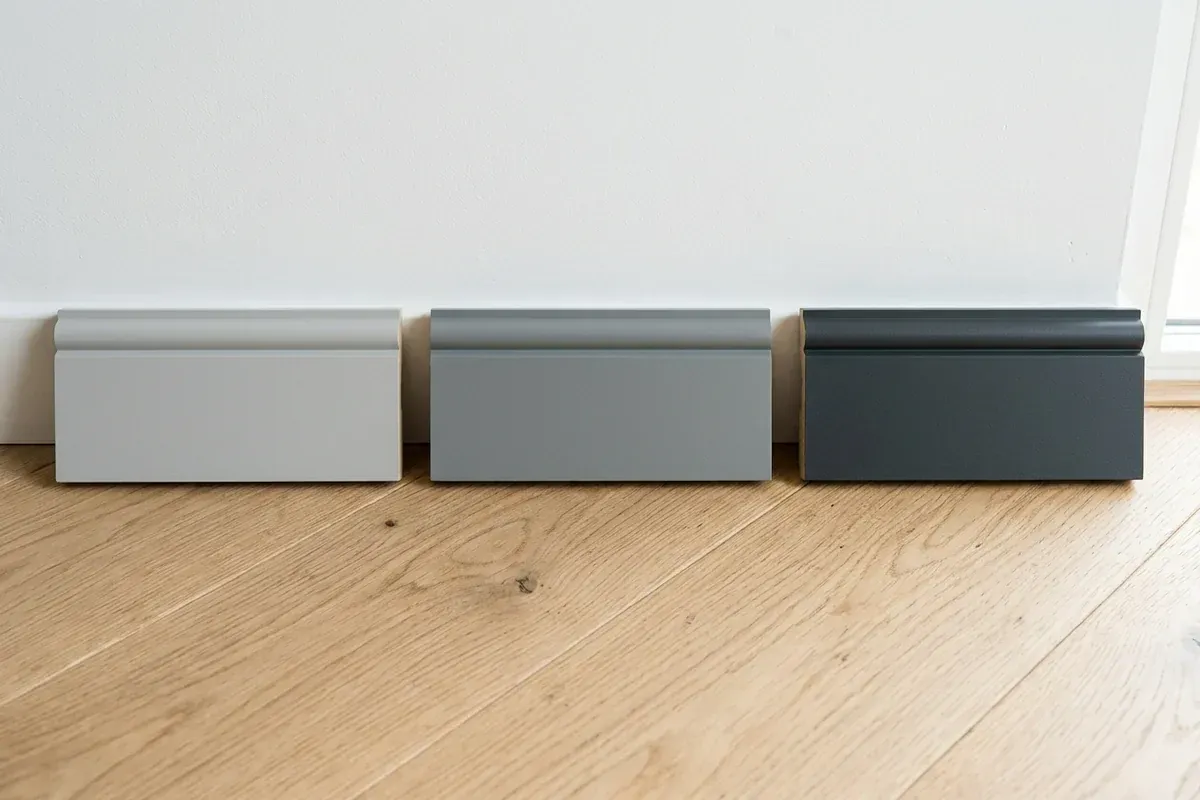
| Light grey | RAL 7035 | Soft, calm, blends with light walls |
| Silk grey | RAL 7044 | Warm grey with a beige undertone |
| Mid grey | e.g. RAL 7039 | Clearly present, without a hard contrast |
| Anthracite grey | RAL 7016 | Dark and modern, an alternative to black |
A RAL number is a tool to define a colour exactly. That way everyone, from the painter to the skirting fitter, knows which colour is meant. The names and grouping above are intended as a guide; you make the final choice on the basis of a sample.
Skirting in the wall colour, floor colour or as a contrast?
Skirting in the wall colour
This is the calmest choice. The skirting is lacquered in the same colour as the wall, so the wall runs as one surface down to the floor. A room often looks larger and taller as a result. This works well with coloured walls, such as a grey, green or sand-coloured wall.
Skirting in the floor colour
Less common, but possible: the skirting follows the shade of the floor. The floor then seems to continue slightly up the wall. With a grey tiled or poured floor, grey skirting in the floor shade is a logical choice.
Skirting as a contrast
If you choose skirting that clearly differs from wall and floor, the skirting becomes a deliberate design element. Anthracite against a light wall, or black against a white wall, as with the black skirting boards in Leerdam in RAL 9005. A contrast stands out, so the finish has to be crisp: every gap or deviation becomes visible.
Colours other than grey
Coloured skirting goes beyond grey. Think of:
- Off-white or cream in warm interiors, as a softer alternative to bright white. In white skirting: RAL 9010 or 9016? you can read the difference between the best-known whites. See also RAL 9010.
- Deep colours such as dark green or dark blue, often combined with a wall in the same shade.
- Black as a graphic contrast. See black skirting in RAL 9005 and the glossary entry RAL 9005.
The darker or more saturated the colour, the more important an even finish becomes. Doors, frames and architraves also play a part: does the colour of the skirting suit the rest of the woodwork?
Which material is suitable for coloured skirting?
- MDF is the most suitable. MDF has an even surface without wood grain and can be lacquered in any RAL colour.
- Solid wood can be lacquered, but is often left in its wood colour or stained. With opaque lacquer, the grain can sometimes still be faintly visible.
- Aluminium has its own finishes, such as anodised or powder-coated. The colour choice goes through the supplier's system.
TipTop Plinten works with MDF, solid wood and aluminium. Plastic skirting boards are deliberately not fitted.
Pre-finished or painted after installation?
Coloured skirting can be finished in two ways:
- Pre-finished. The skirting is lacquered in the chosen colour in advance and then installed. After installation, only joints, mitres and fixing points are touched up. See also pre-finished skirting.
- Paint-ready. The skirting is installed in primer and then painted in colour. That is handy if the painter is working in the room anyway. See paint-ready.
Which route suits best depends on the schedule and who does the painting. In painting skirting or pre-finished? you can read the pros and cons.
Sheen level: matt, satin or high gloss
Besides the colour, the sheen level determines the effect:
- Matt looks modern and calm, but sometimes shows marks more quickly.
- Satin is a popular middle ground: easy to keep clean and not too shiny.
- High gloss stands out and shows unevenness in the wall or floor more quickly.
Preferably match the sheen level to that of the doors and frames, so the woodwork forms one whole.
Colour and light in the room
The same grey can look very different in two rooms. A north-facing room gets cooler light, making grey look bluer. In a south-facing room the same shade looks warmer. The floor reflects light too: an oak floor makes grey warmer, a white tiled floor makes it cooler.
Tips for choosing the right colour
- Look at the colour in the room itself, in daylight and under artificial light.
- Hold a sample against the floor, not just against the wall; floor and skirting influence each other.
- Pay attention to the undertone. Grey can be cool (bluish) or warm (beige).
- Think about the caulk joint. The acrylic caulk between skirting and wall can be painted in the skirting colour or the wall colour. Read more under caulking.
- Record the RAL number, so that touching up later can be done in exactly the same colour.
Having grey or coloured skirting fitted?
Take a look at our skirting board installation service or send photos of the room, the colour or RAL number you want and an estimate of the number of running metres via the contact page. If you are still unsure about the shade, mention it; we are happy to think it through with you. The quote is free and without obligation. An on-site measurement is optional for €75 incl. VAT, credited as a discount on jobs above a minimum project size. We are happy to communicate in English, as well as Dutch, German, Turkish, Persian and Arabic.
Frequently asked questions
Popular shades are light grey, such as RAL 7035, and dark shades such as anthracite grey RAL 7016. Soft greys close to the wall colour are also often used. The best choice depends on the wall, the floor and the light in the room.
MDF skirting can be finished in any RAL colour. Solid wood can be lacquered too, but is often left in its natural wood colour. Aluminium has its own finishes, such as anodised or coated.
It does not have to be, but it gives a calm result. The skirting fades away and the room looks bigger. If you want a line along the floor instead, choose a contrasting colour.
Look at the colour on a real sample in the room itself, in daylight and under artificial light. A colour on a screen or in a colour fan often looks different from the same colour on skirting along the floor.
The caulk joint between skirting and wall is made with paintable acrylic caulk. It can be painted in the colour of the skirting or of the wall, depending on where you want the line to be.
Related articles
Choosing skirting
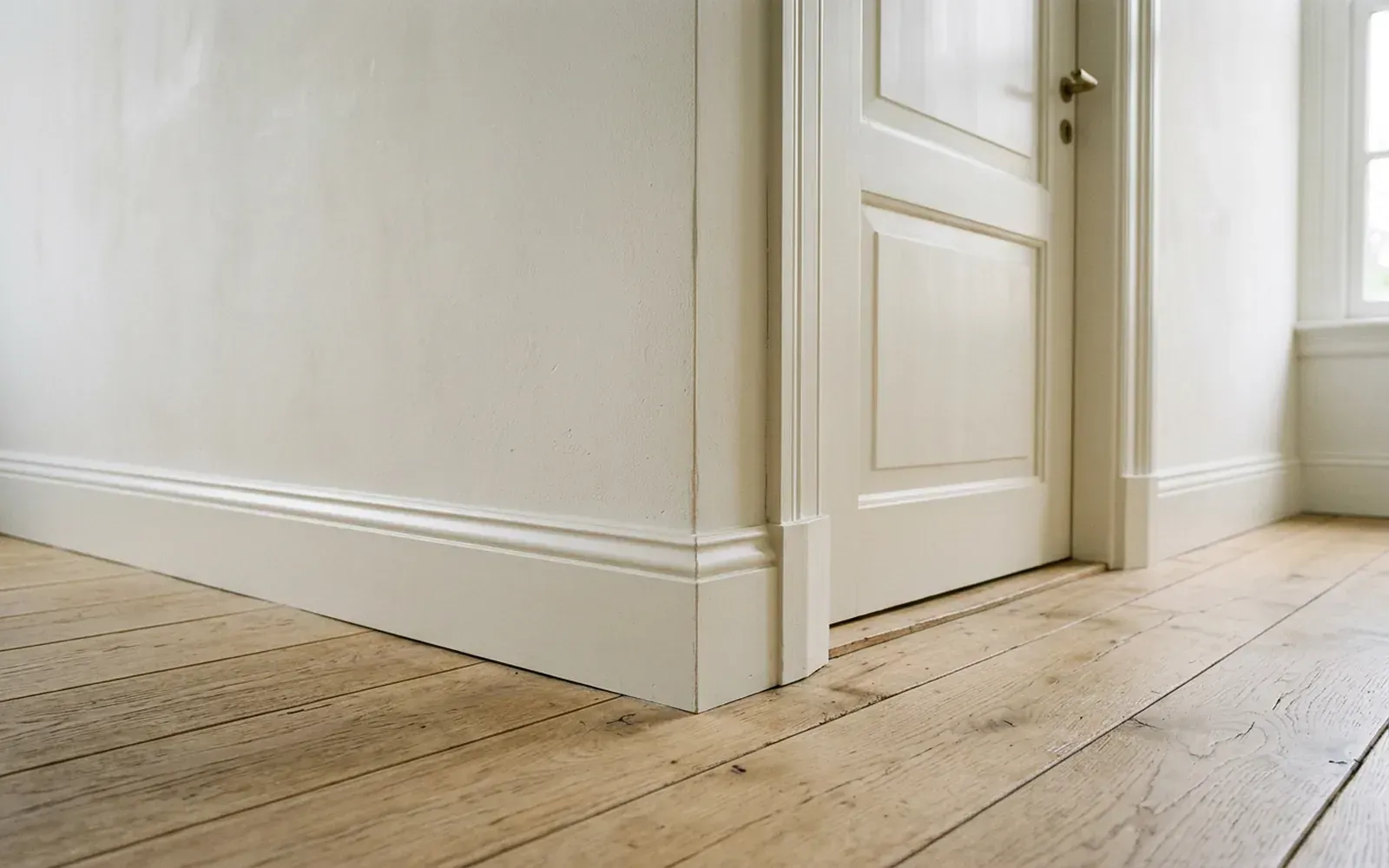
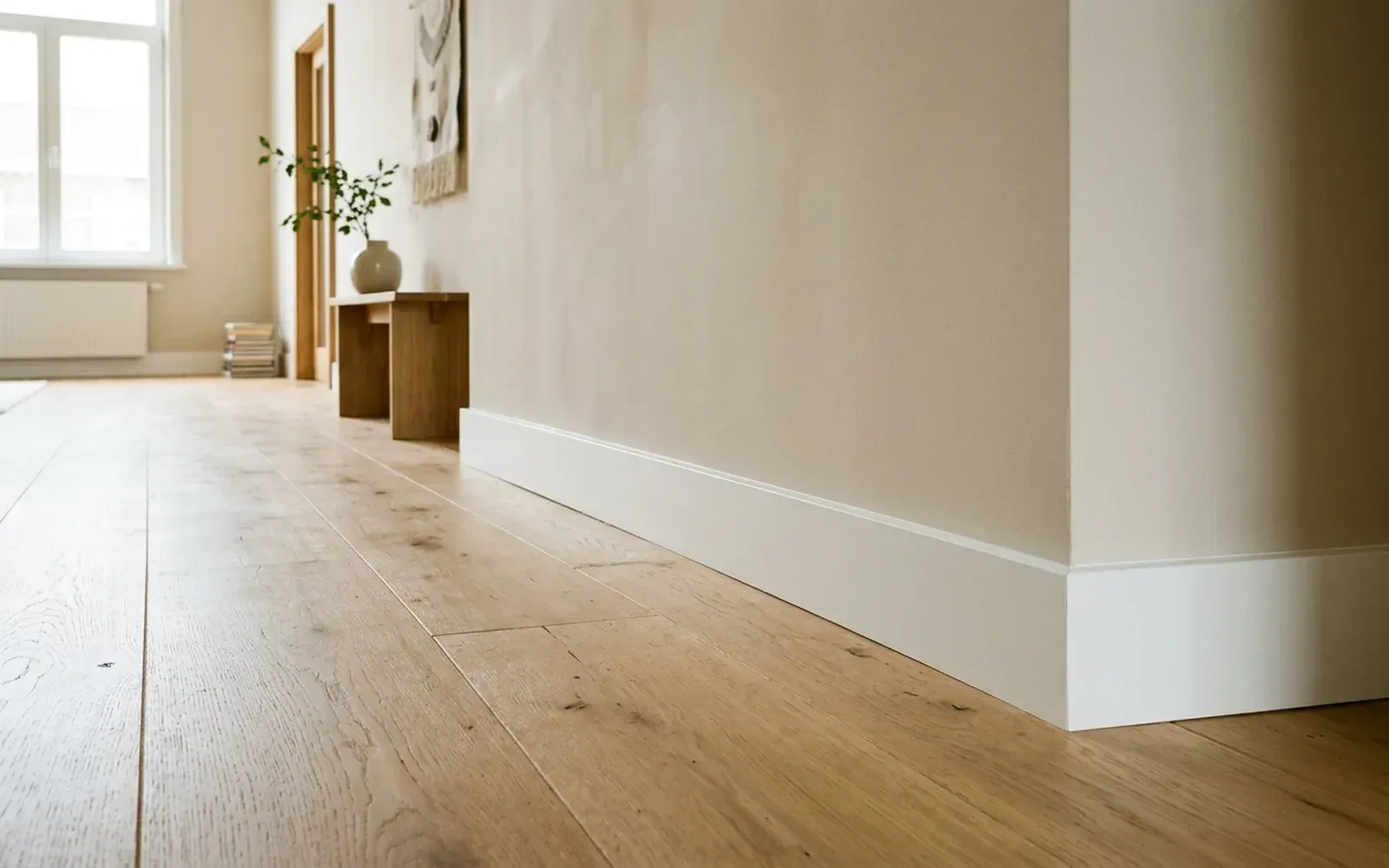
White skirting boards: RAL 9010 or RAL 9016?
White is not just white. The difference between RAL 9010 and RAL 9016 seems small, but next to a white door or wall you notice it straight away.
Choosing skirting
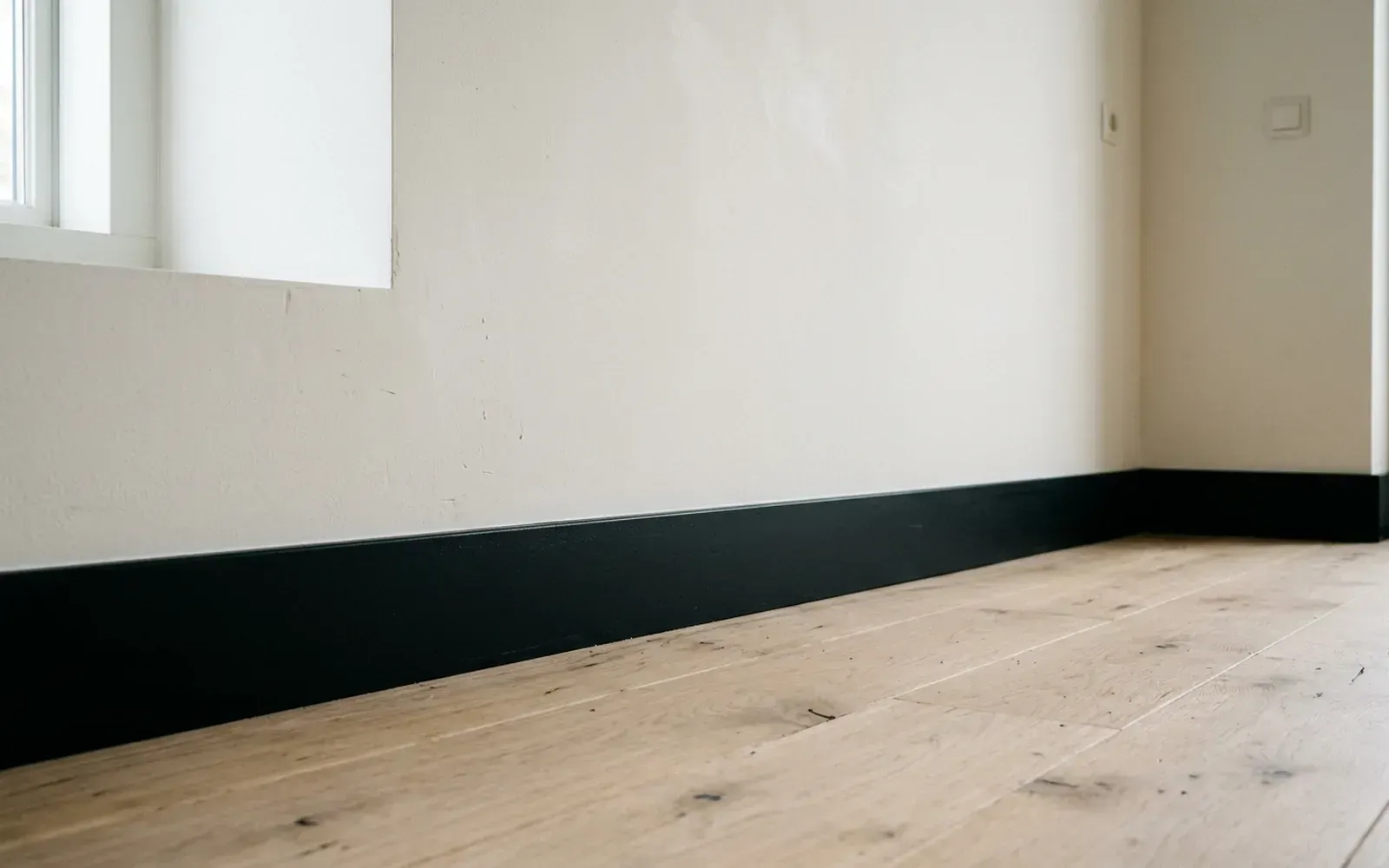
Black skirting boards in RAL 9005: when do they work and what should you look out for?
Black skirting boards give an interior a graphic, contemporary look. Here is how to choose the right finish and keep dust and scratches from spoiling the effect.
Installation & finishing
Painting skirting boards or choosing pre-finished: which is the smarter option?
Pre-finished skirting boards are ready straight away, while painting them yourself gives more freedom in colour. Here is how to choose and how to paint skirting boards neatly.
Related
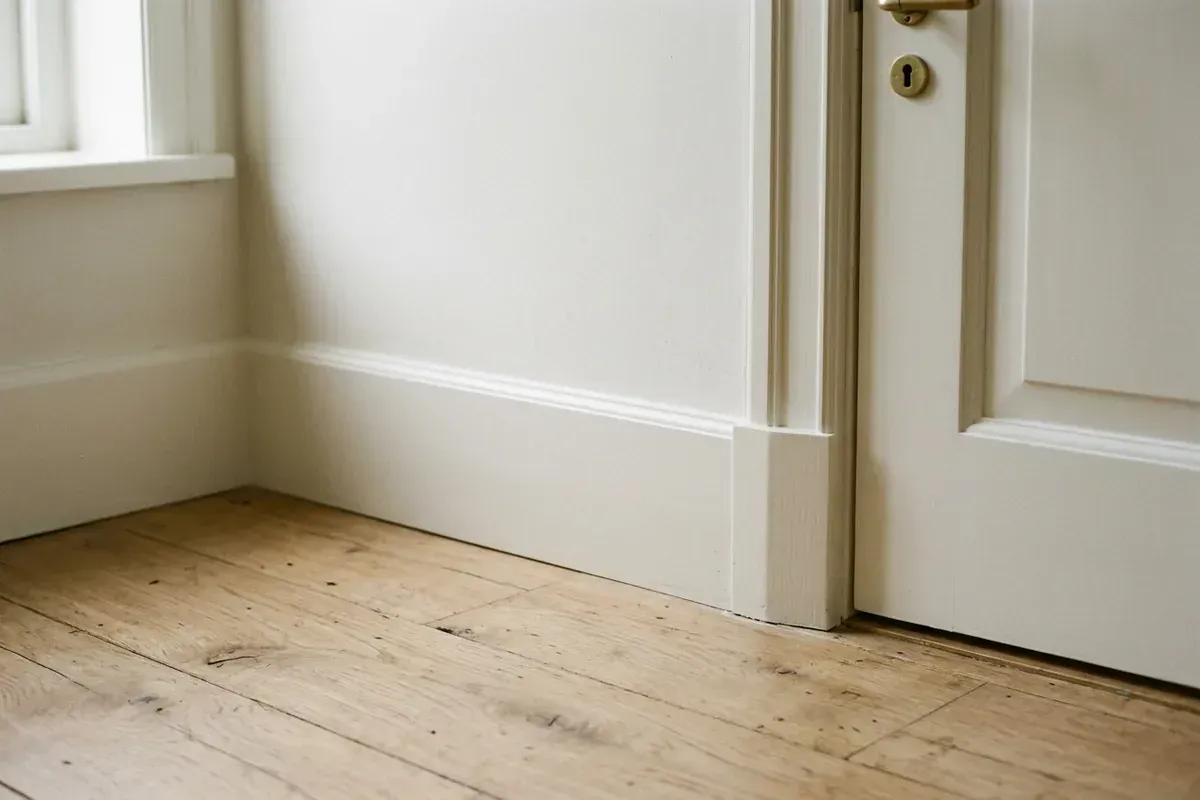
RAL 9010
RAL 9010 is called pure white and is a slightly warm, soft white. It is one of the most popular colours for skirting boards, doors and mouldings.
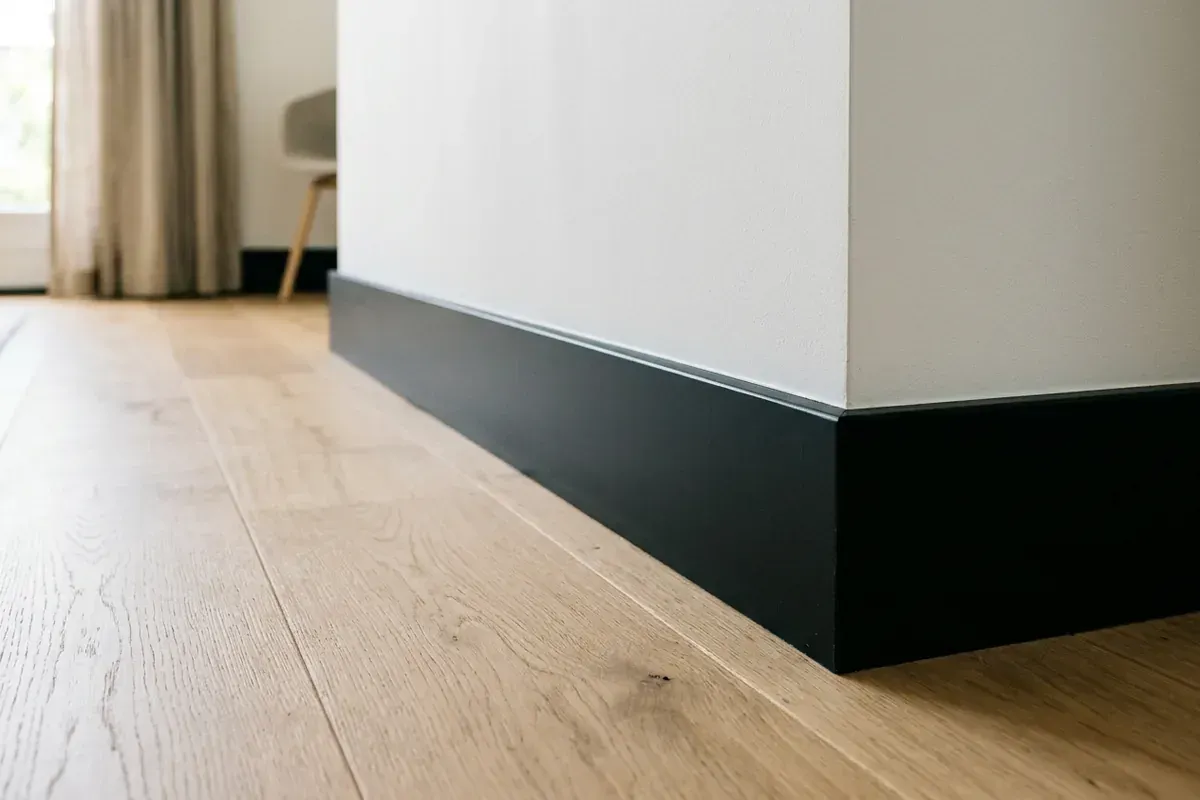
RAL 9005
RAL 9005 is called jet black: a deep, neutral black. As matt black skirting, it creates a crisp contrast with light floors and walls.
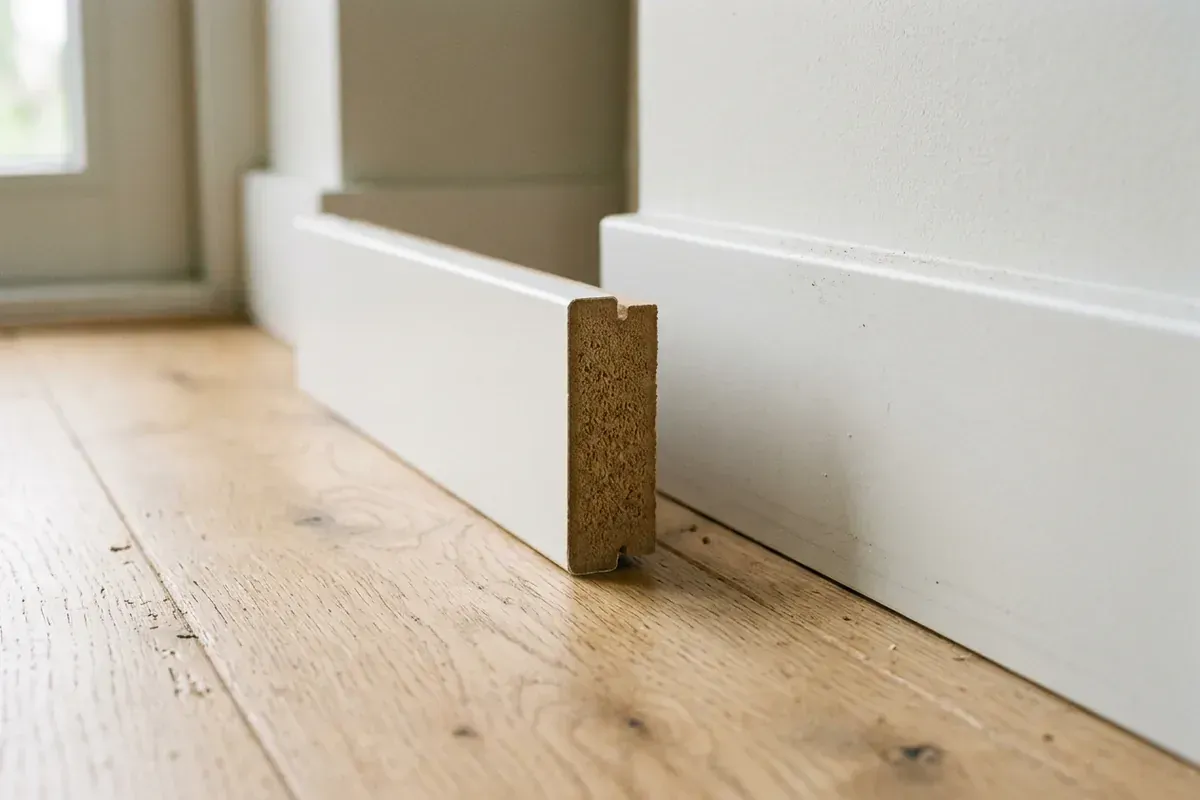
MDF
MDF is a sheet material made of pressed wood fibres. It is stable, smooth and easy to paint, which makes it the most popular material for skirting boards.
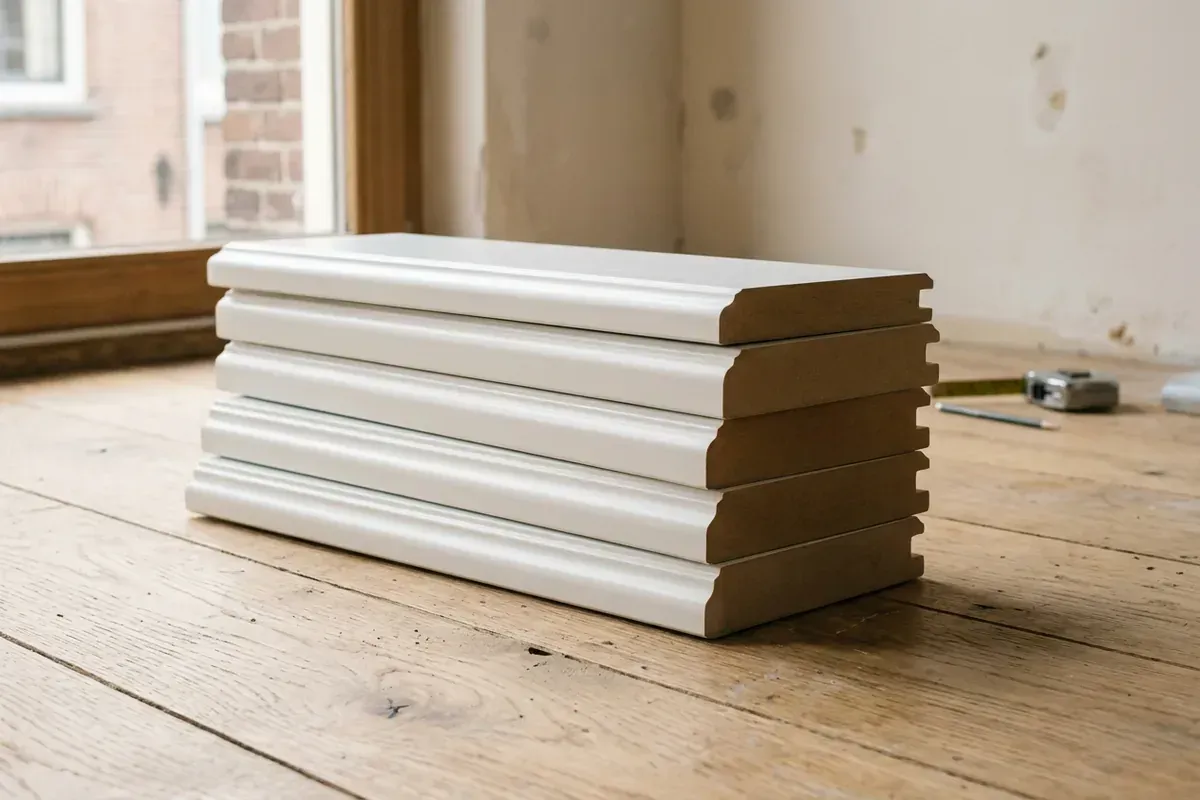
Pre-finished skirting
Pre-finished skirting has already been painted at the factory. That saves painting, but the joints and corners need neat touching up.
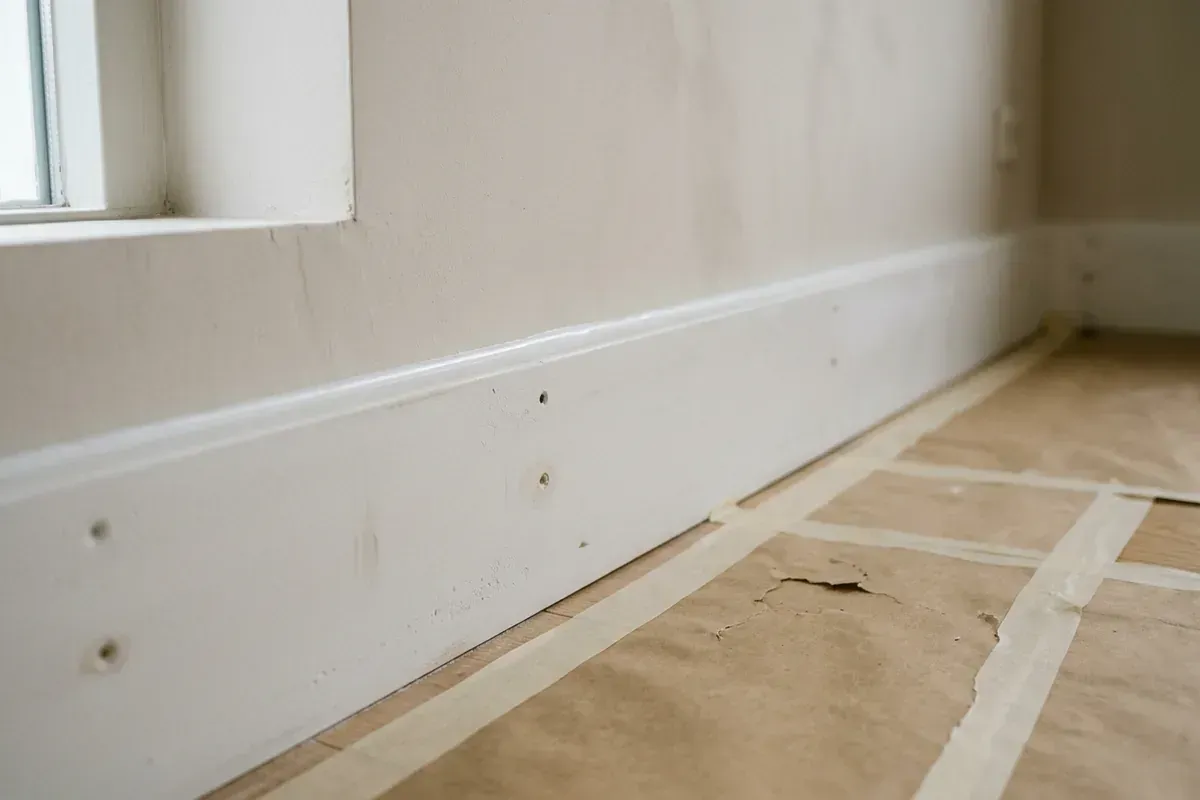
Paint-ready
Paint-ready means skirting boards and mouldings have been fitted, filled and caulked, so only the final coat of paint still needs to be applied.
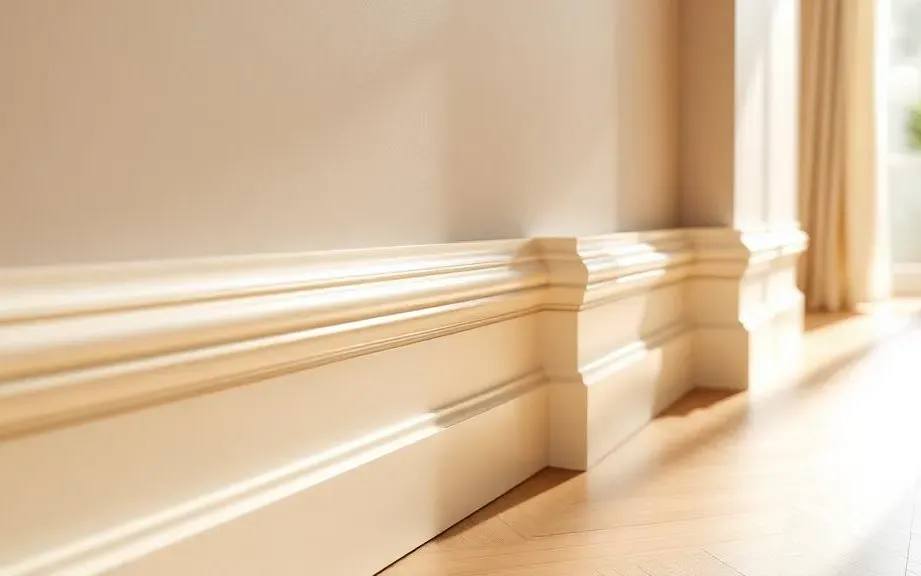
Skirting board installation by a specialist skirting fitter
TipTop Plinten fits skirting boards in MDF, solid wood and aluminium, finished in any RAL colour and neatly matched to any floor, even with uneven walls.
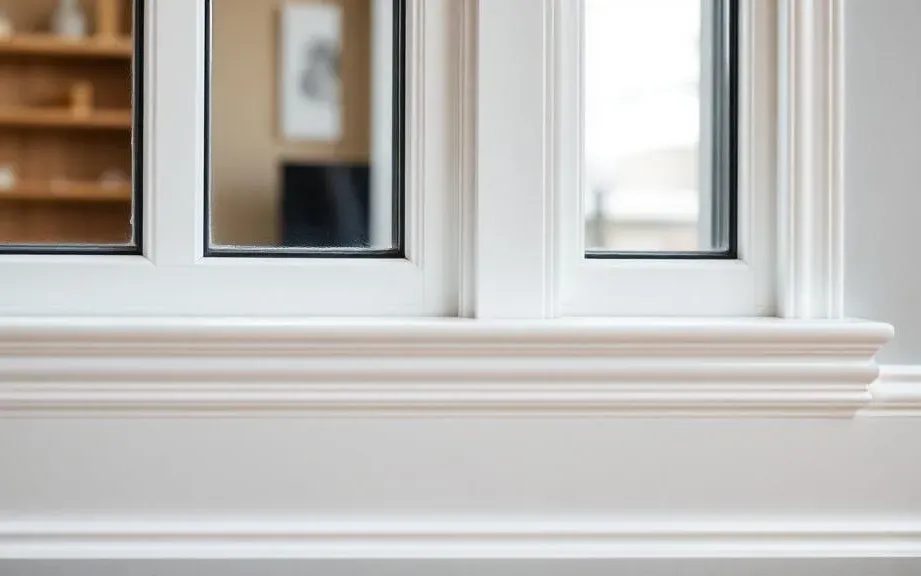
Caulking skirting boards and sealant work for a seamless finish
Caulking is the final step that makes skirting boards, mouldings and panels look seamless. TipTop Plinten uses acrylic or silicone, paint-ready or in colour.
Skirting board installation? Request a free quote
On-site measurement €75 incl. VAT (credited for orders above a minimum project size)