
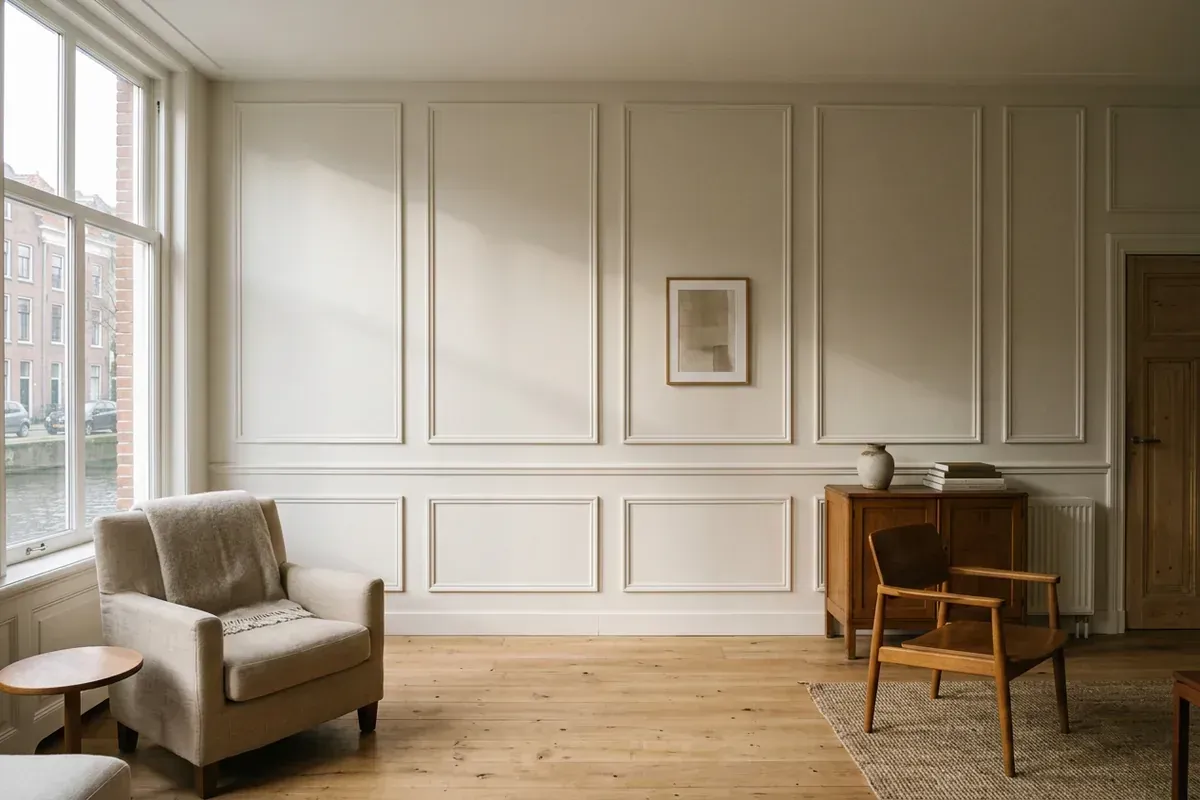
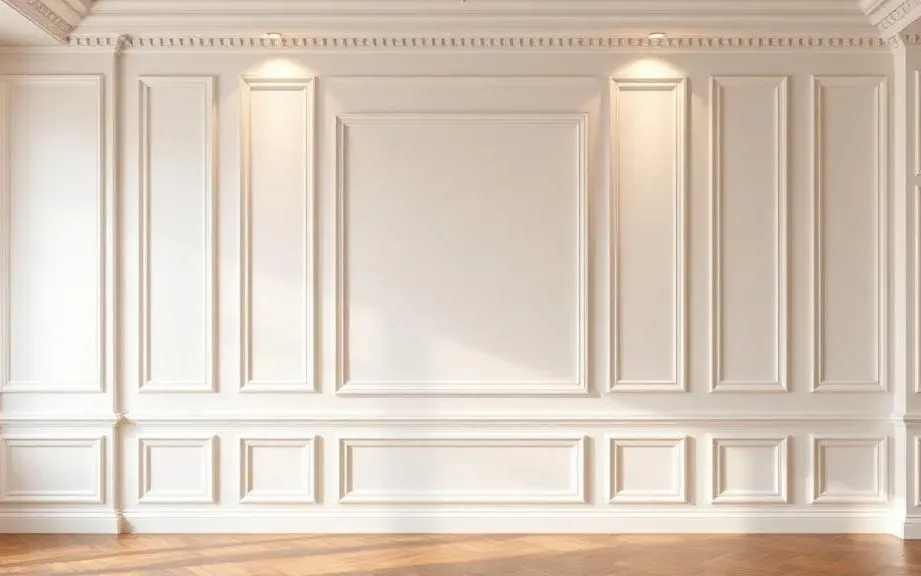
A wall moulding is a narrow, usually profiled moulding fixed to the surface of a wall. By placing several wall mouldings in rectangles, frames or panels are created that give a flat wall depth and rhythm. Wall mouldings are often painted the same colour as the wall, so the relief shows through light and shadow.
What is a wall moulding?
A wall moulding is thinner and narrower than a skirting board or architrave. The best-known applications are:
- Frames or panel effect: rectangles on the wall, with or without a horizontal rail.
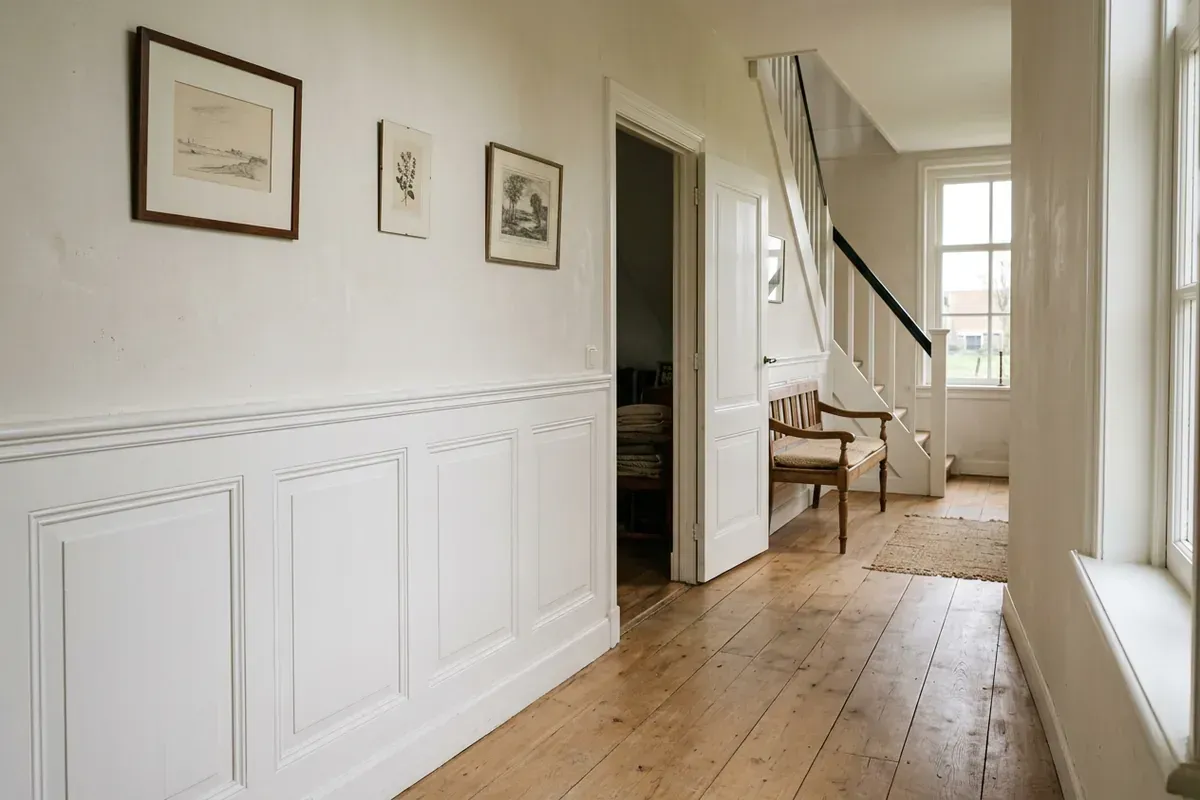
- Dado rail: a horizontal moulding at about a third of the wall height, often with wainscoting below it.
- Picture rail: a moulding just below the ceiling from which paintings used to be hung.
Wall mouldings are made from materials including MDF, timber and rigid foam.
Where is it used?
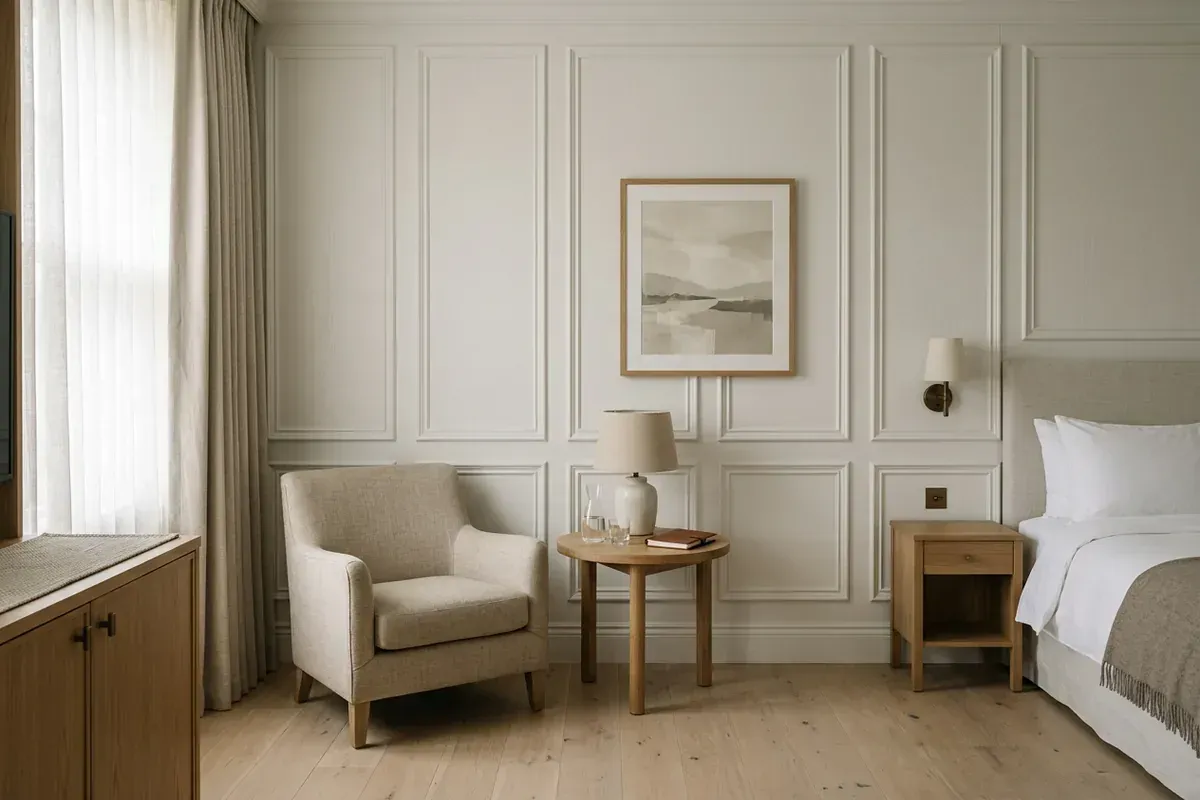
In living rooms, bedrooms (for example behind the bed), halls and stairwells, and in hotels and restaurants. Wall mouldings are a way to get a panelled look without full wall panels.
What should you look out for?
- Measurements: mark out the layout beforehand. Equal margins to skirting, ceiling and corners matter more than the exact number of frames.
- Obstacles: sockets, switches and radiators affect the layout. Sometimes moving a wall socket is the best solution.
- Substrate: the wall must be flat and sound. On uneven walls the moulding cannot sit tight everywhere.
- Corners: the frames are cut as a mitre joint. A small deviation shows, especially with four corners per frame.
- Finishing: joints are filled and caulked, after which the mouldings and wall are painted together.
You can read more about layout and style in wall mouldings and wainscoting.
At TipTop Plinten
TipTop Plinten installs wall mouldings and wall panels for homes, offices and hotels, including the caulking. Read more about wall panels and wall mouldings.
Frequently asked questions
Start from fixed points such as doors, windows, sockets and the centre of the wall. Equal spacing and the same distance to skirting and ceiling create calm. It helps to mark out the frames on the wall with masking tape first.
That is the most popular option, because the relief then shows only through light and shadow. A contrasting colour is also possible, but makes any deviation in the measurements more visible.
Related
Wainscoting
Wainscoting is a covering on the lower part of the wall, traditionally in timber. It protects the wall and gives a room a classic character.
Wall panel
A wall panel is a board or panel fixed to a wall for appearance, protection or sound absorption. There are many types.
Decorative moulding
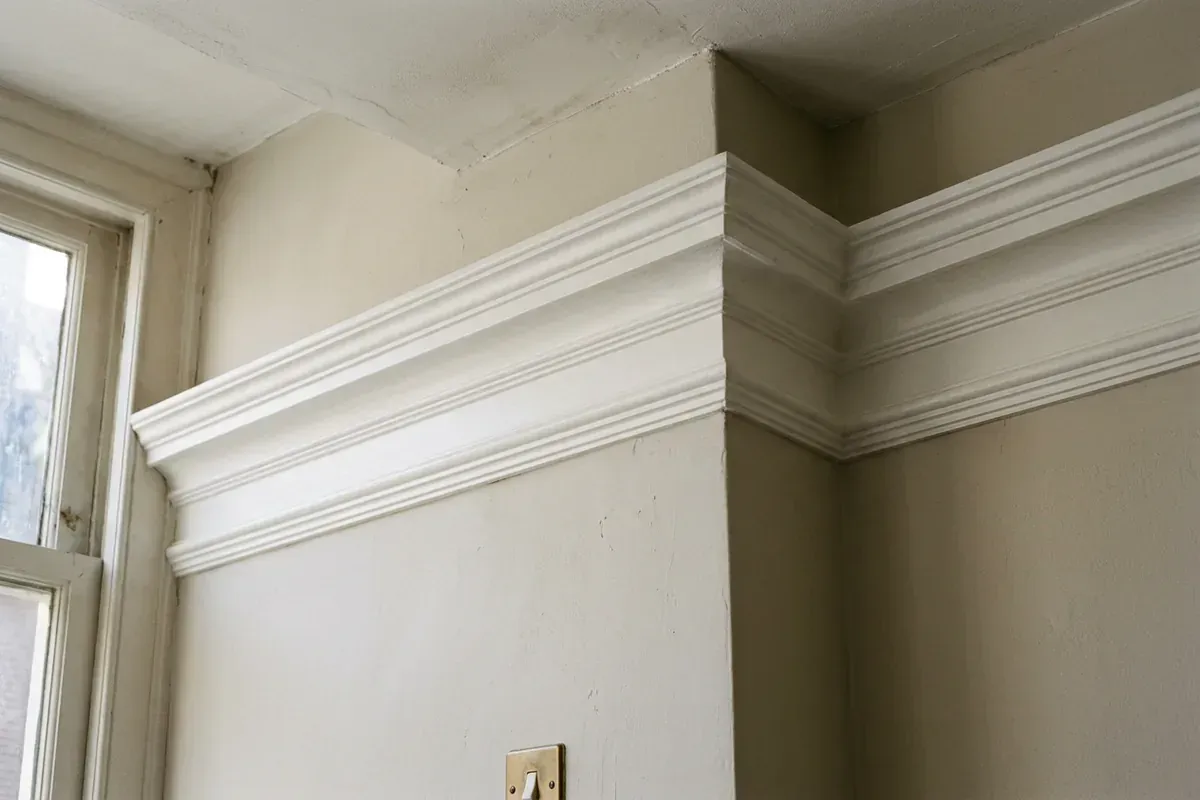
A decorative moulding is an ornamental profile on a wall or ceiling. It gives a room character, from classic ornament to a sleek modern line.
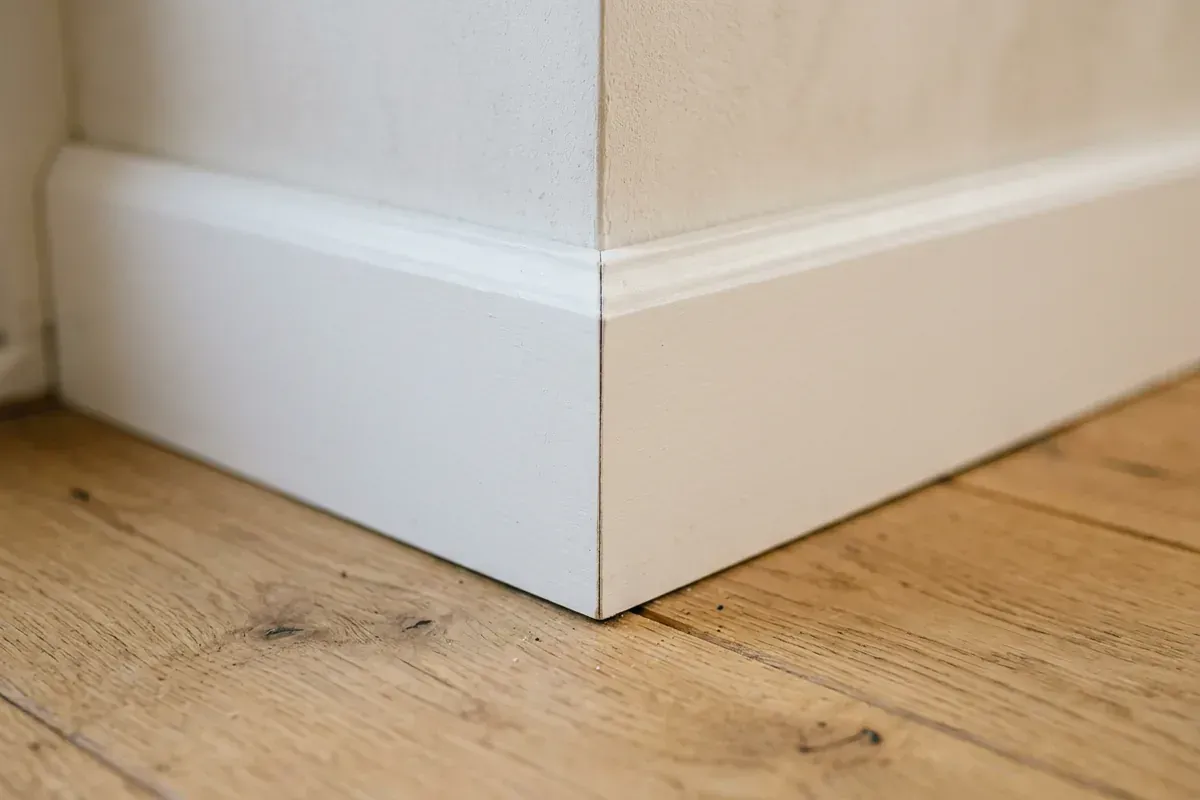
Mitre joint
A mitre is an angled cut that lets two mouldings meet seamlessly in a corner. For a right angle, that is usually 2 x 45 degrees.
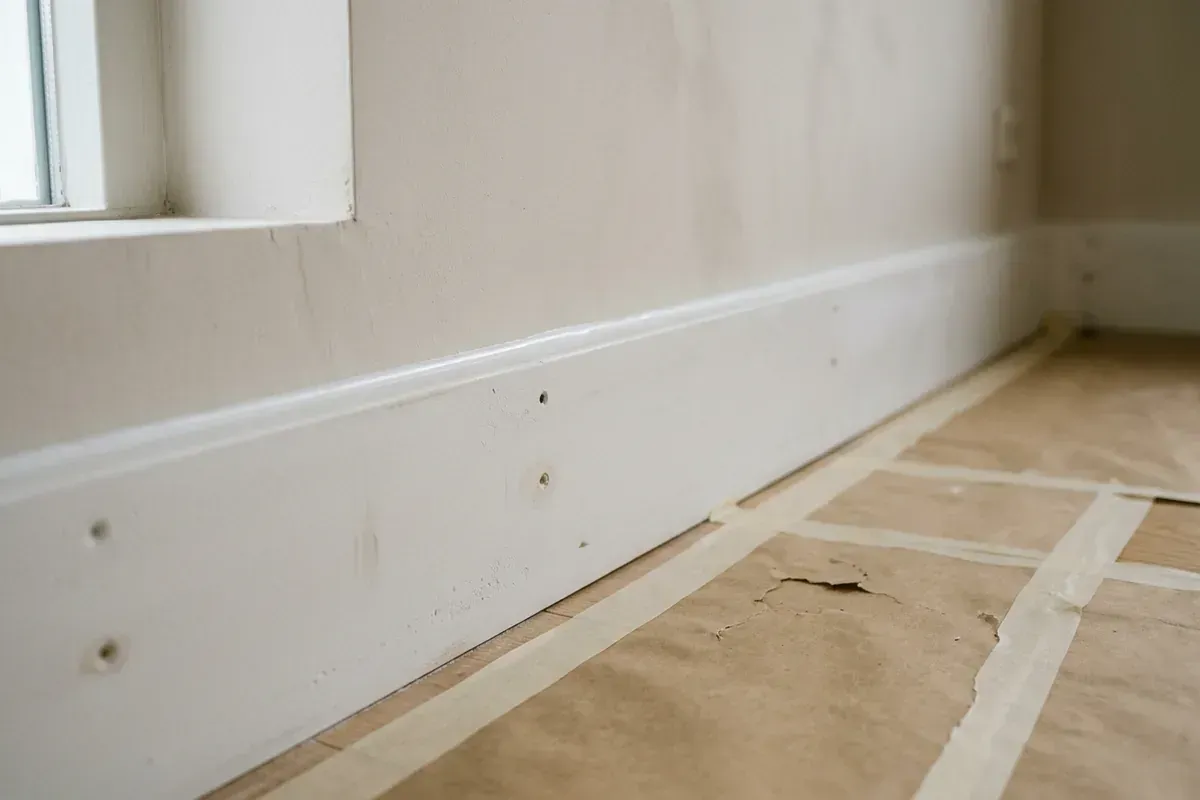
Paint-ready
Paint-ready means skirting boards and mouldings have been fitted, filled and caulked, so only the final coat of paint still needs to be applied.
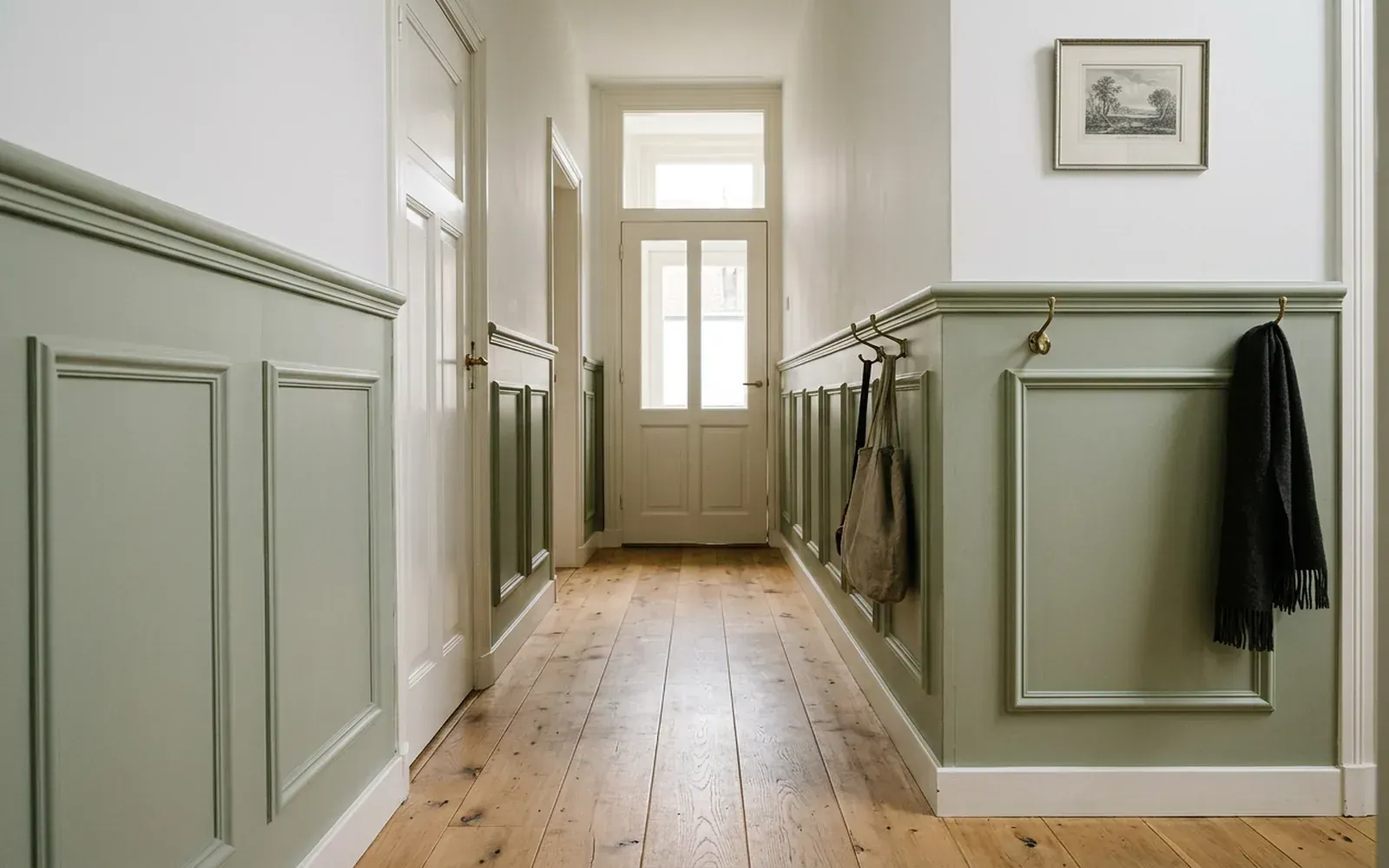
Mouldings & walls
Wall mouldings and wainscoting: differences, styles and uses
Wainscoting and wall mouldings give a wall structure and a classic or modern look. We explain the difference, which styles there are and what to look out for.
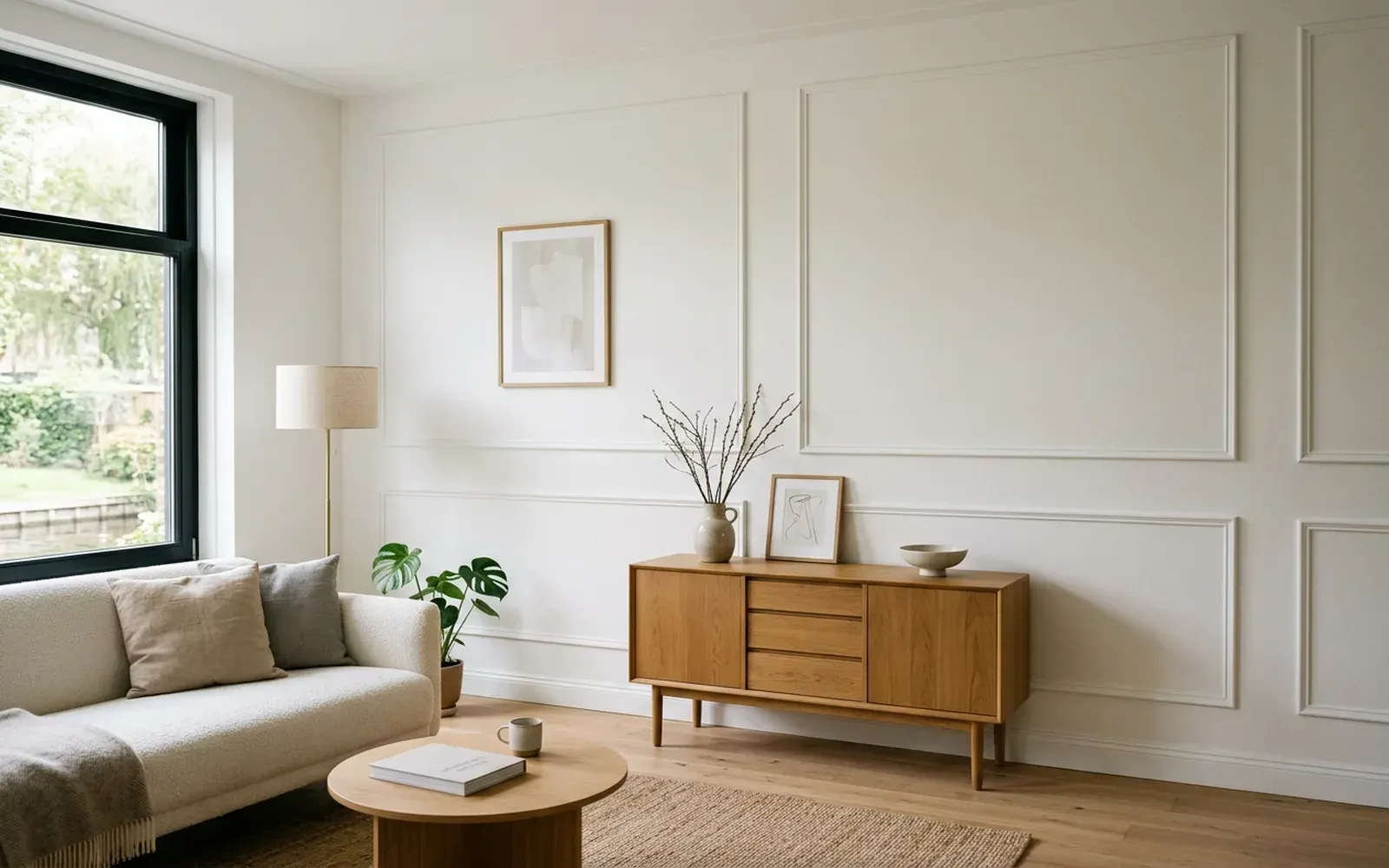
Mouldings & walls
Decorative mouldings in a modern interior: how to use them with style
Decorative mouldings are not just for period properties. With a calm profile and the right colour, they give a modern interior depth and a refined look. Here is how to use them.
Wall panelling installation and wall mouldings fitted
TipTop Plinten fits wall panels, wall mouldings, slat panels and acoustic panels in homes, offices and hotels, with tight mitres and clean caulking.
Skirting board installation? Request a free quote
On-site measurement €75 incl. VAT (credited for orders above a minimum project size)