
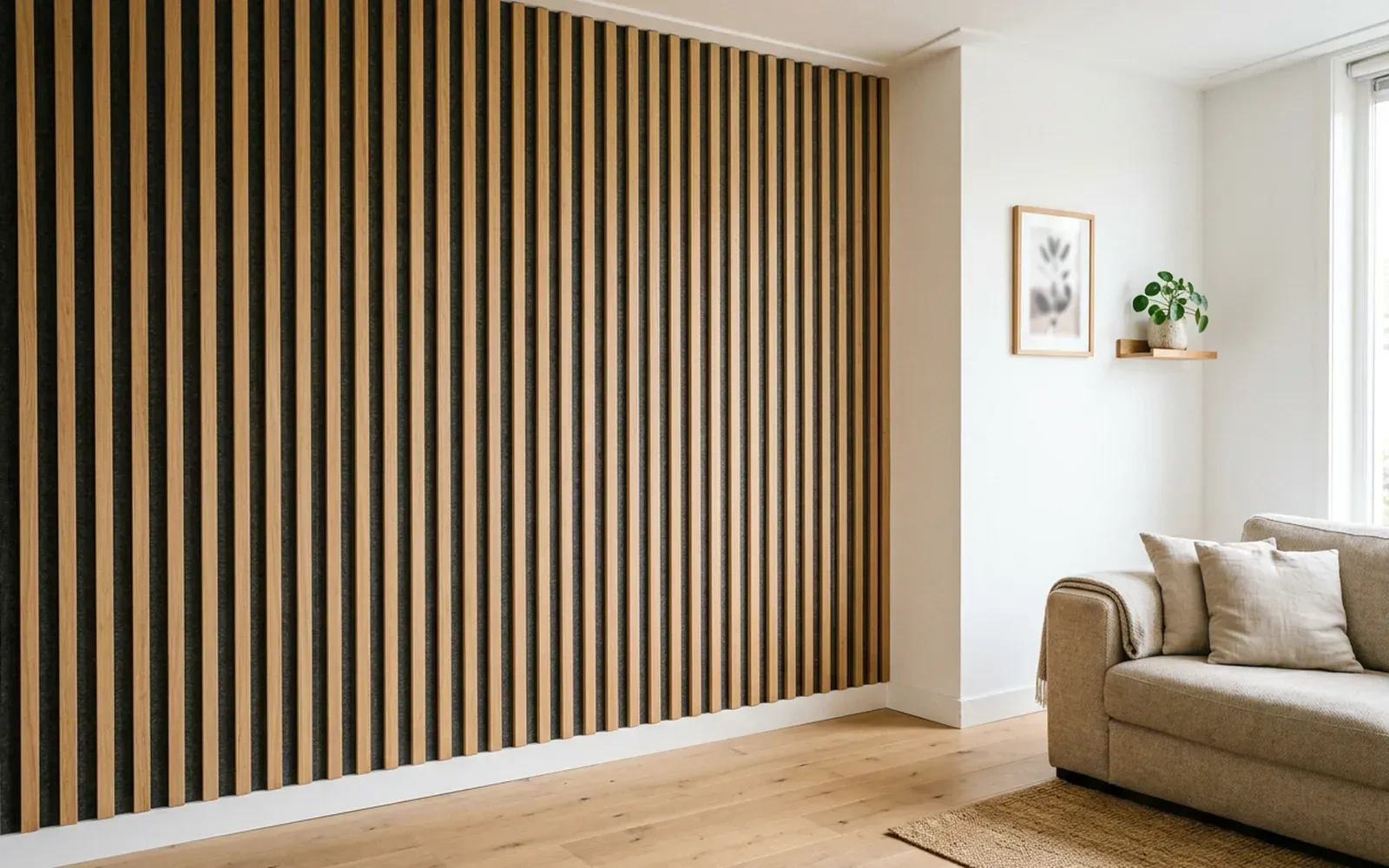
Acoustic wall panels reduce echo in a room. They absorb part of the sound that would otherwise bounce off hard walls, floors and windows. The result: a room that sounds calmer and in which speech is clearer. The panels, often wooden slats on felt, also give the wall a warm and modern look. They do improve the acoustics within a room, but they are not soundproofing against noise from outside or from the neighbours.
How do acoustic wall panels work?
Sound travels through the air and bounces off hard surfaces. In a modern home with a hard floor, large windows, smooth walls and few soft furnishings, sound reflects back and forth a lot. This is what we call echo or reverberation. Voices, footsteps and kitchen noise then sound hollow and blur together.
An acoustic panel absorbs part of that sound. The material, for example felt, foam or an open structure, converts sound energy into a tiny amount of heat. Less sound is reflected and the reverberation decreases.
Slat panels
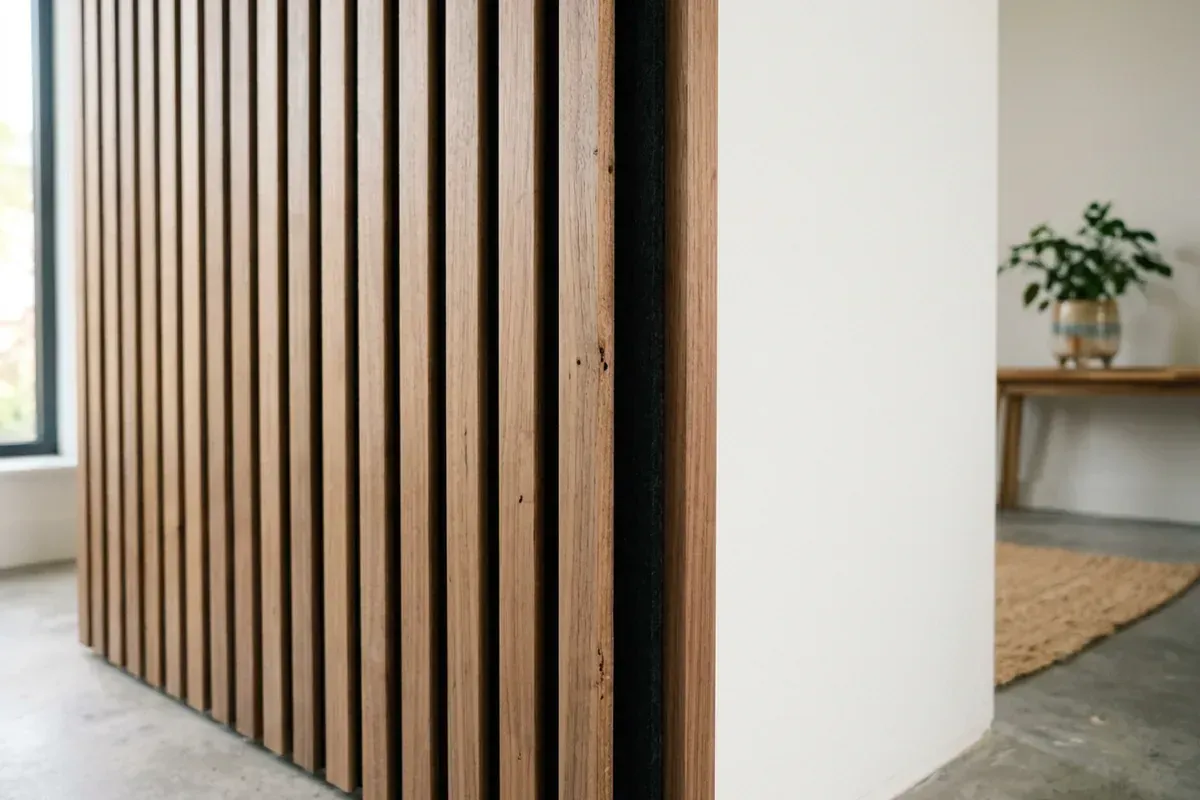
The most popular type in homes is the slat panel: wooden or wood-effect slats on a backing of acoustic felt. The gaps between the slats let sound through to the felt, which absorbs part of it. At the same time, the wood gives the wall a warm, rhythmic appearance.
Other types
There are also fabric panels, felt panels and panels with perforated surfaces. They differ in appearance and in how well they absorb different pitches.
What do acoustic wall panels deliver?
Less echo
The main effect: the room sounds calmer. Conversations are easier to follow, music and TV sound clearer and the noise level in a busy room feels lower.
More comfort
A room with less echo is often experienced as more pleasant and relaxing. You notice this, for example, around a full dining table, in an open-plan kitchen or during video calls from home.
A warm look
Slat panels give a wall texture and depth. They are often used as a feature wall, combined with lighting, or as a backdrop for a sofa, bed or TV unit.
A clean finish
Well-installed panels look like a fixed part of the interior. Tight joints with the floor, ceiling and corners make all the difference.
What acoustic wall panels do not do
It is important to set the right expectations:
| They do | They don't |
|---|---|
| Reduce echo within the room | Block noise from neighbours or outside |
| Make speech sound clearer | Make a room completely silent |
| Mainly dampen mid and high tones | Dampen low bass tones to the same extent |
| Change the look of a wall | Fix poor sound insulation |
Soundproofing, stopping sound travelling between rooms or homes, requires other measures, such as extra mass, decoupled stud walls and sealing gaps. An acoustic panel on the wall does very little to help with that.
How great the effect of panels will be in your room depends on the size of the room, the amount of hard surfaces, the furnishings and the number of square metres of panelling. If you would like a calculation or measurement, an acoustic consultant is the right person to ask.
Where do you place acoustic wall panels?
- Living room: on a large empty wall, behind the sofa or around the TV.
- Open-plan kitchen and dining room: where lots of hard surfaces come together.
- Bedroom: behind the bed, as an acoustic and decorative wall.
- Home office: for calmer sound during calls.
- Office, meeting room and hospitality: where many people talk at the same time.
Combining panels with other measures, such as a rug, curtains and upholstered furniture, also helps to improve the acoustics.
What should you look out for when installing them?
The wall surface
The wall must be flat, dry and load-bearing. Slat panels are usually screwed in place, sometimes in combination with adhesive. With uneven walls, the deviation has to be taken up so that the slats stay straight and vertical.
Layout and dimensions
Slats create a rhythm. It looks best when the layout matches the width of the wall, so you end up with a similar edge on both sides. Also decide how the panels meet the ceiling and the floor: all the way up to the ceiling, or with a fixed gap.
Sockets, switches and lighting
Cut-outs for sockets and switches have to be made precisely. If you want lighting in or behind the panels, this needs to be prepared in advance.
Meeting the skirting and corners
If the panels run down to the floor, the skirting board is often left out there, or a clean junction is chosen instead. At internal and external corners and along the sides, a neat finish makes sure the felt and the slat ends don't look messy.
Which type should you choose?
Acoustic slat panels come in many variations. These are the main points to consider:
- Colour and wood species of the slats: light oak looks fresh and Scandinavian, darker shades such as walnut or black create a warmer, more luxurious feel.
- Colour of the felt: dark felt makes the slats stand out more; light felt gives a softer, calmer look.
- Width of the slats and gaps: narrow slats with small gaps look fine and sleek, wider slats are more pronounced.
- Vertical or horizontal: vertical slats emphasise the height of a room, horizontal slats its width.
- Full wall or section: a full wall looks like an architectural element; a defined section behind the sofa or bed works as an accent.
Choose a type that suits the floor, the window and door frames and the rest of the interior. A panel whose shade is just slightly different from a wooden floor often stands out more than a deliberate contrast.
Example: acoustic wall panels in Apeldoorn
In a house in Apeldoorn, TipTop Plinten installed acoustic wall panels for sound absorption and a modern, luxurious look. The project shows how panels can serve both a practical and an aesthetic purpose in a home.
Acoustic panels or wall mouldings?
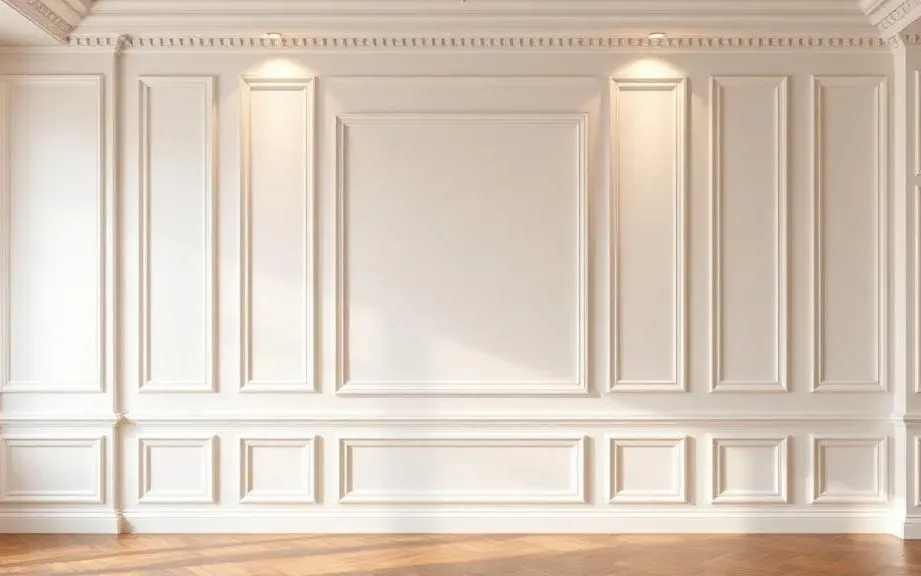
If you are mainly after a decorative effect, wall mouldings or classic moulding work may also be worth considering. They add depth and structure, but have no acoustic function. Our article on wall mouldings and wainscoting tells you more about those options, and our article on decorative mouldings in a modern interior has ideas for moulding work. You can also read more about the different types in the glossary under wall panel.
Having acoustic wall panels installed
TipTop Plinten, based in 's-Hertogenbosch, installs wall panels and wall mouldings, including acoustic panels, in homes, offices and hotels throughout the Netherlands. That includes a neat layout, precise cut-outs and a tidy finish on corners and edges. Read more on our wall panels and mouldings page.
Would you like acoustic wall panels installed? Get in touch to discuss your room and what you have in mind, and ask for a free, no-obligation quote. We are happy to communicate in English. An optional on-site measurement is available for €75 incl. VAT; for projects above a minimum size, this amount is deducted from the final price.
Frequently asked questions
Acoustic wall panels absorb part of the sound that would otherwise bounce off the wall. This reduces echo in the room, so sound comes across as calmer and clearer, especially speech and in rooms with lots of hard surfaces.
No, that is not what they are designed for. Acoustic panels improve the acoustics within a room by reducing echo. Soundproofing between rooms or homes calls for other measures, such as added mass and decoupled constructions.
That depends on the size of the room, the amount of hard surfaces, the furnishings and how strong the echo is now. An acoustic consultant can calculate this for you. In living spaces, people often choose one or more full walls or large sections.
Often on a large, empty wall in the living room, behind the sofa or TV, behind the bed in a bedroom, in a home office or in an office or meeting room. Walls opposite large windows can also be a good spot.
On most flat, dry and load-bearing walls, yes. They are usually screwed and/or glued in place. With uneven walls, sockets and switches, made-to-measure work is needed to get a clean result.
Related articles
Mouldings & walls
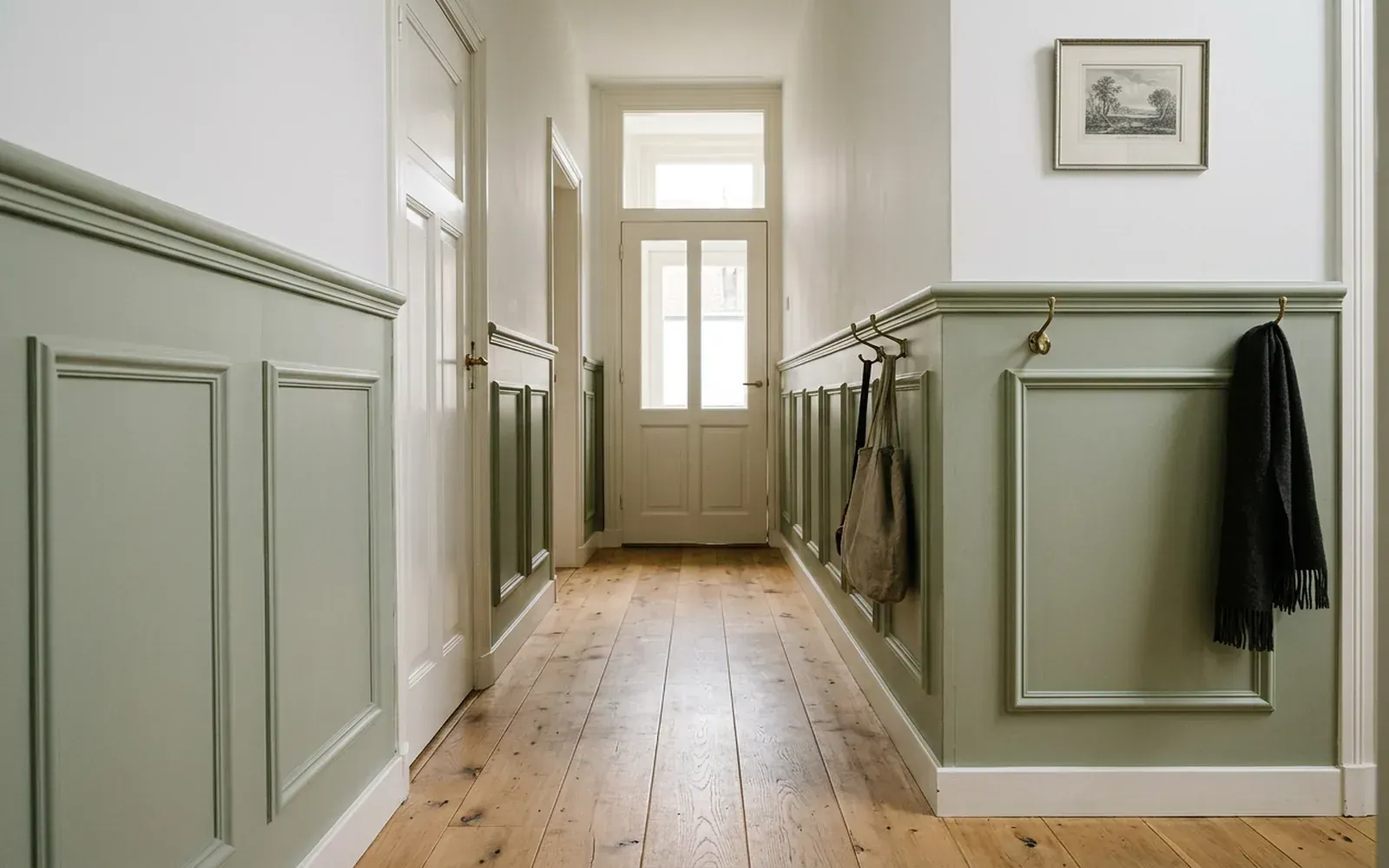
Wall mouldings and wainscoting: differences, styles and uses
Wainscoting and wall mouldings give a wall structure and a classic or modern look. We explain the difference, which styles there are and what to look out for.
Mouldings & walls
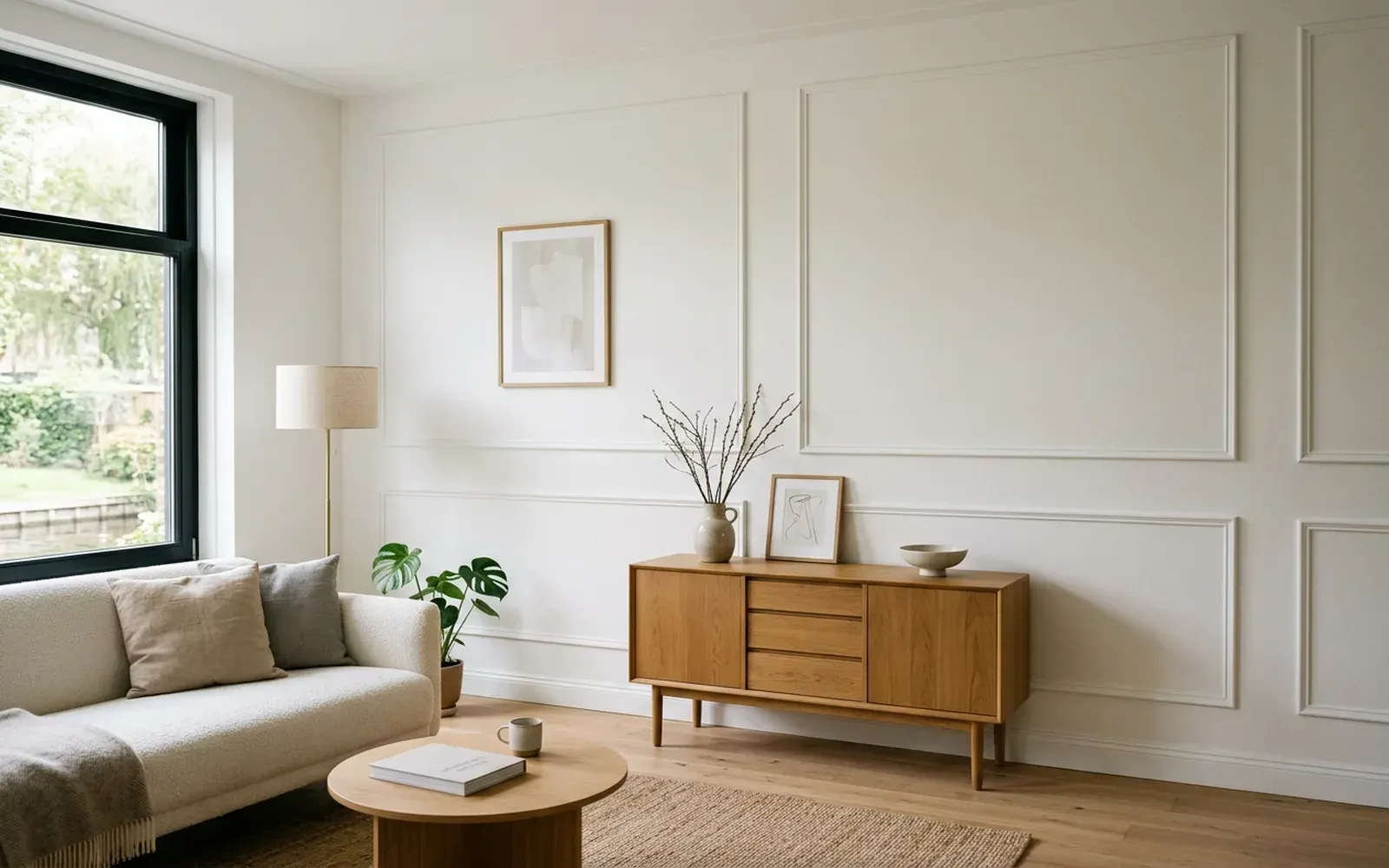
Decorative mouldings in a modern interior: how to use them with style
Decorative mouldings are not just for period properties. With a calm profile and the right colour, they give a modern interior depth and a refined look. Here is how to use them.
Related
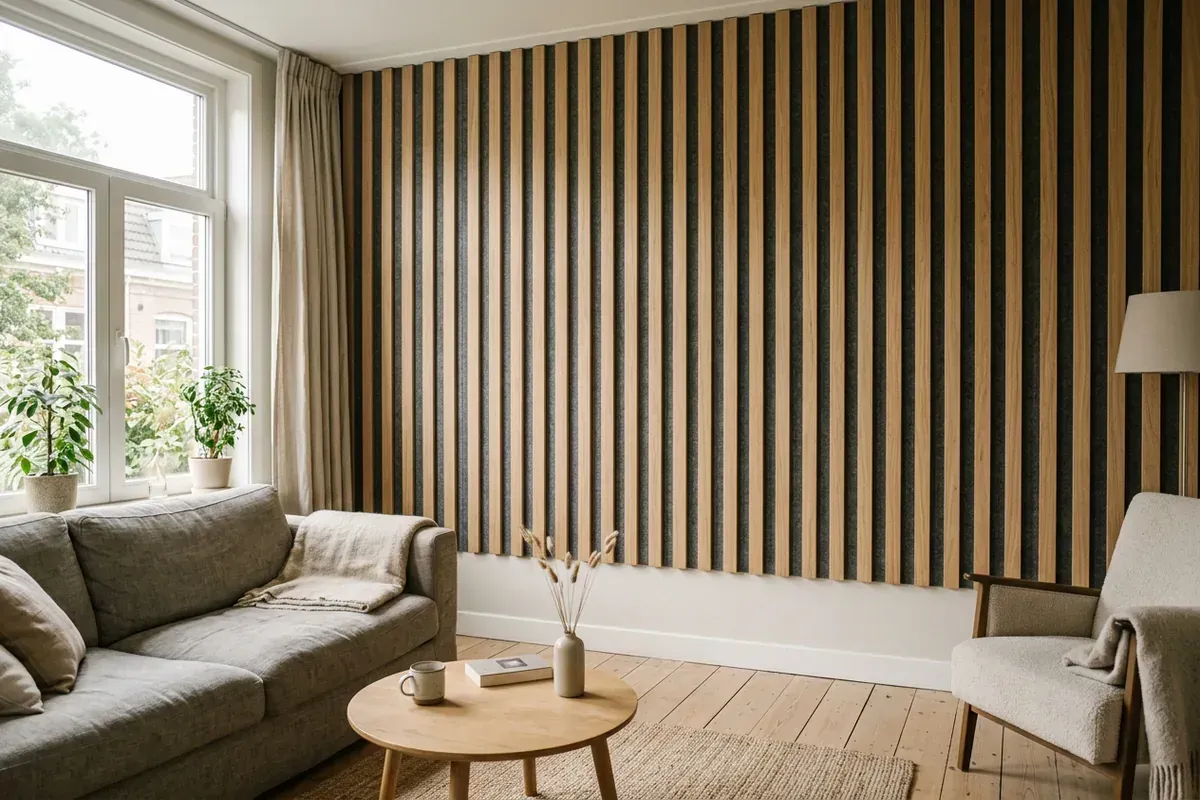
Acoustic panel
An acoustic panel absorbs sound and so reduces echo in a room. Slats on felt are the best-known type for the home.
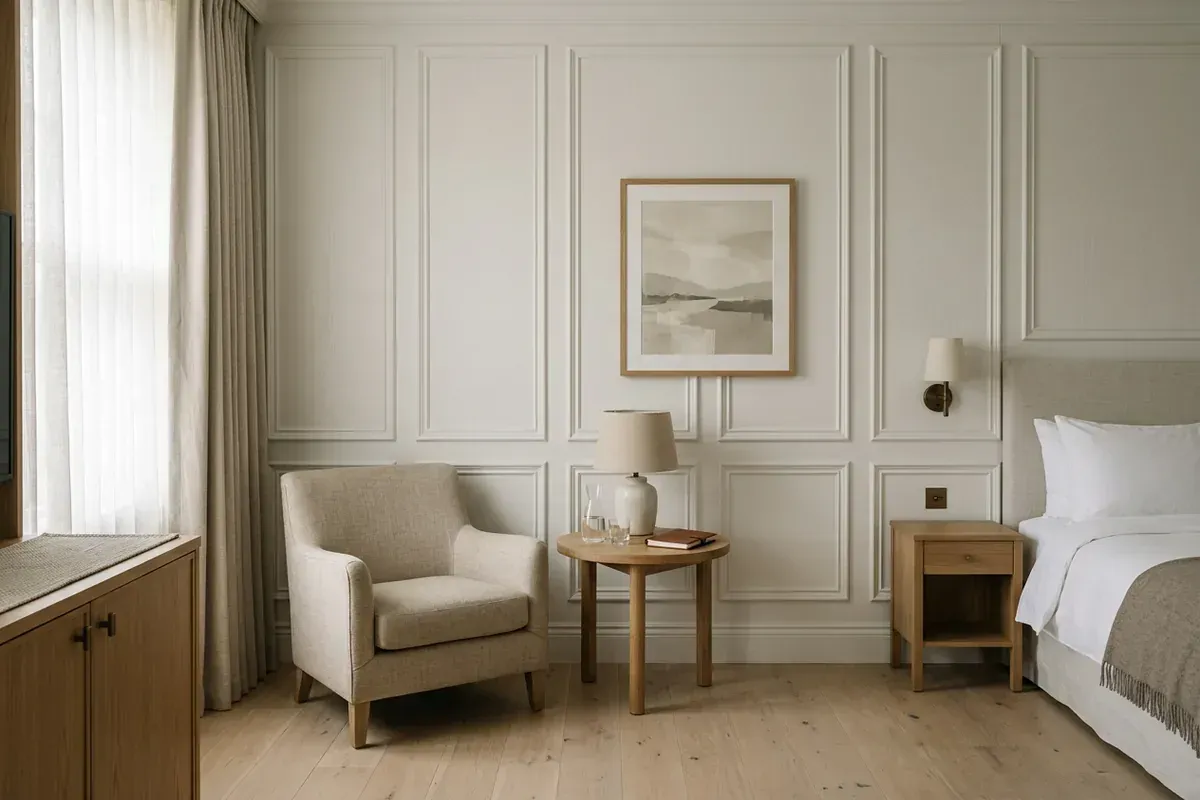
Wall panel
A wall panel is a board or panel fixed to a wall for appearance, protection or sound absorption. There are many types.
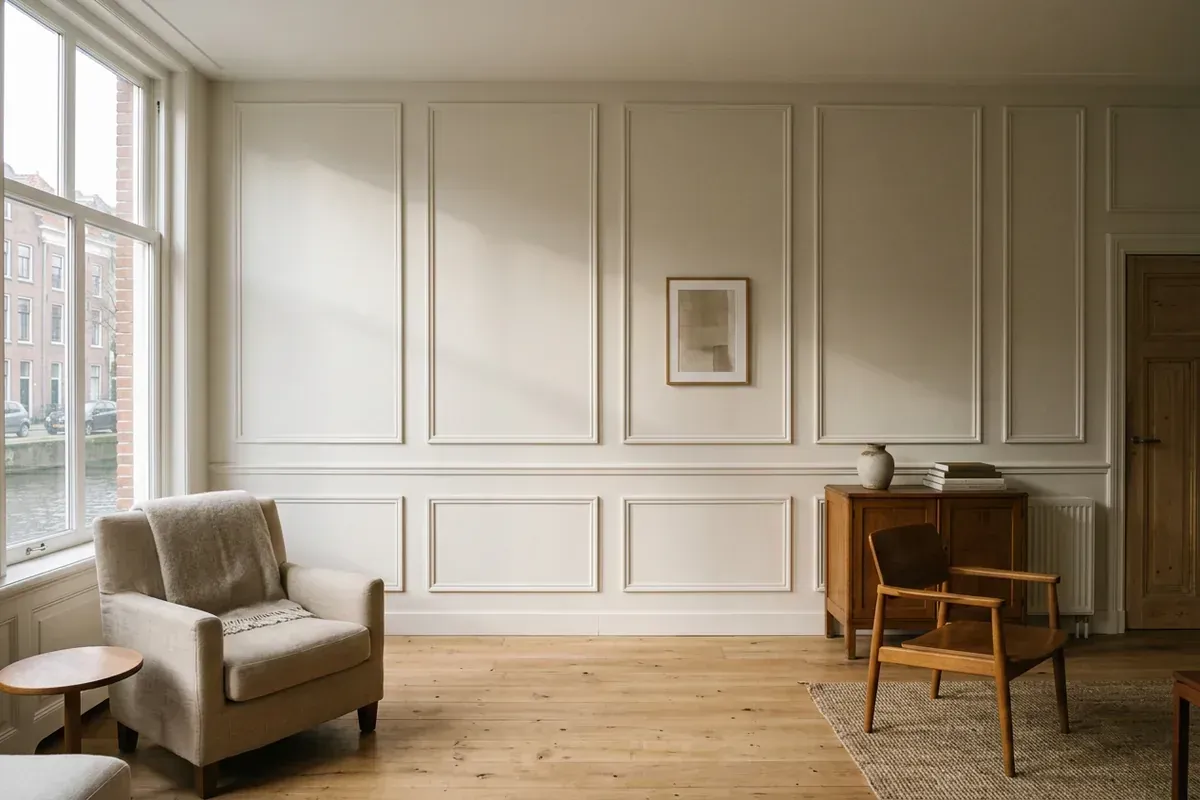
Wall moulding
A wall moulding is a narrow moulding on the wall surface. Several mouldings together create frames or panels that give a flat wall depth and rhythm.
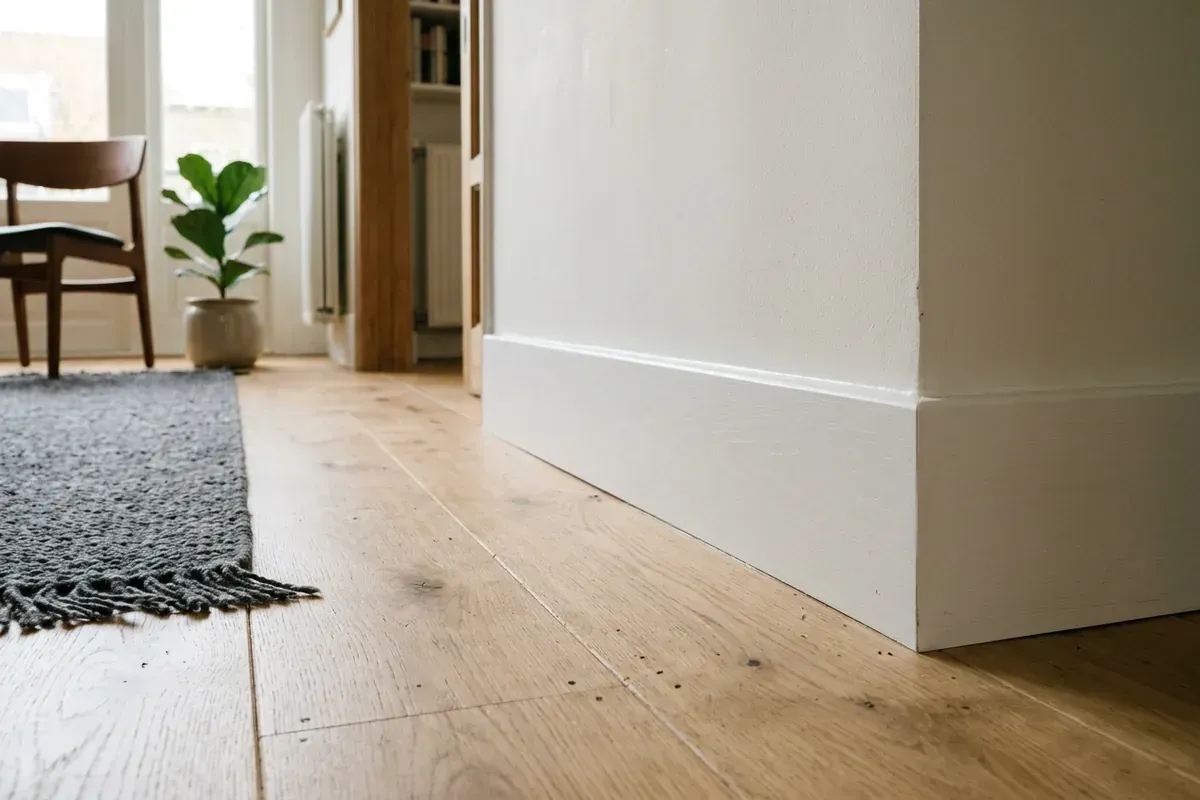
Skirting board
A skirting board is the moulding at the base of the wall that finishes the transition to the floor and protects the wall. Here is how it works and what to look out for.
Wall panelling installation and wall mouldings fitted
TipTop Plinten fits wall panels, wall mouldings, slat panels and acoustic panels in homes, offices and hotels, with tight mitres and clean caulking.
Skirting board installation? Request a free quote
On-site measurement €75 incl. VAT (credited for orders above a minimum project size)