
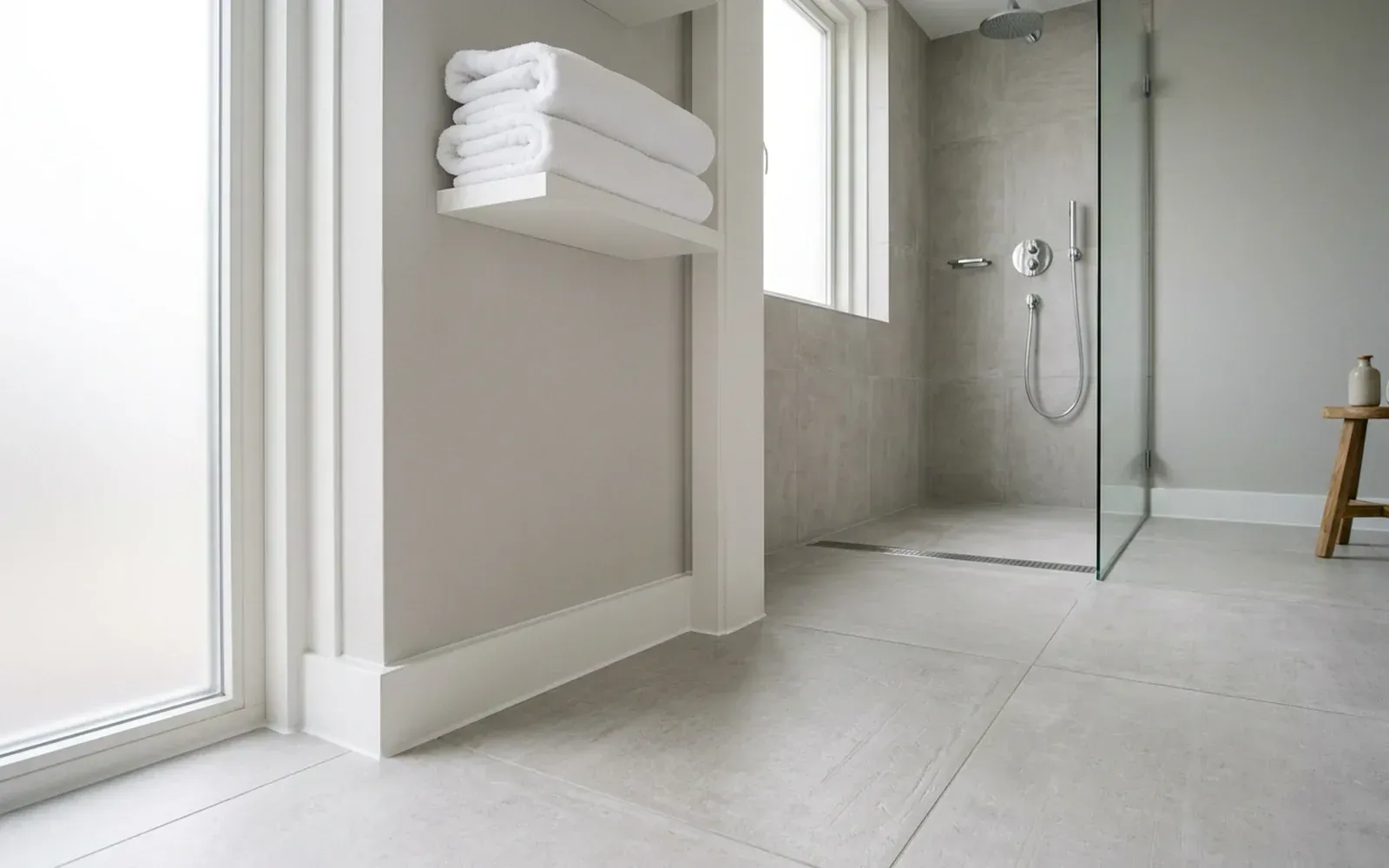
Bathroom skirting boards are possible, but only with the right material in the right place. The wet zone around the shower and bath calls for tiles or another water-resistant finish. In dry or slightly damp areas, such as a separate toilet or the part of the bathroom near the door, skirting made of moisture-resistant MDF or aluminium can be used, properly sealed and caulked. Standard MDF does not belong in a bathroom, because it can swell when damp. And importantly: skirting is a finish, not waterproofing.
Why is the bathroom a tricky place for skirting?
In a bathroom, water reaches the floor: from the shower, from wet feet, from cleaning. On top of that, humidity is high and condensation forms on cold surfaces. A skirting board sits exactly where water collects: in the corner between floor and wall.
Materials that absorb moisture can therefore:
- swell, especially at the bottom and at cut edges;
- lose their paint or start to peel;
- attract mould behind the skirting.
That is why it matters where in the bathroom the skirting goes, and what it is made of.
Wet zone, damp zone, dry zone
| Zone | Examples | Suitable finish |
|---|---|---|
| Wet | Shower, around the bath, around a toilet with a hand shower | Tiles or another water-resistant system |
| Slightly damp | Bathroom near the door, far from shower and bath | Possibly moisture-resistant MDF or aluminium, well sealed |
| Dry | Separate toilet, corridor to the bathroom | Moisture-resistant MDF or aluminium, depending on use |
Exactly where the boundary lies depends on the layout, the ventilation and how the bathroom is used. A small bathroom with a walk-in shower without a drain channel or glass screen effectively has no dry zone. Then tiles all the way to the door are the sensible choice.
Which materials are suitable?
Tiles or tiled skirting
In the wet zone, a fully tiled wall or tiled skirting is the usual solution. That work belongs with the tiler or bathroom fitter.
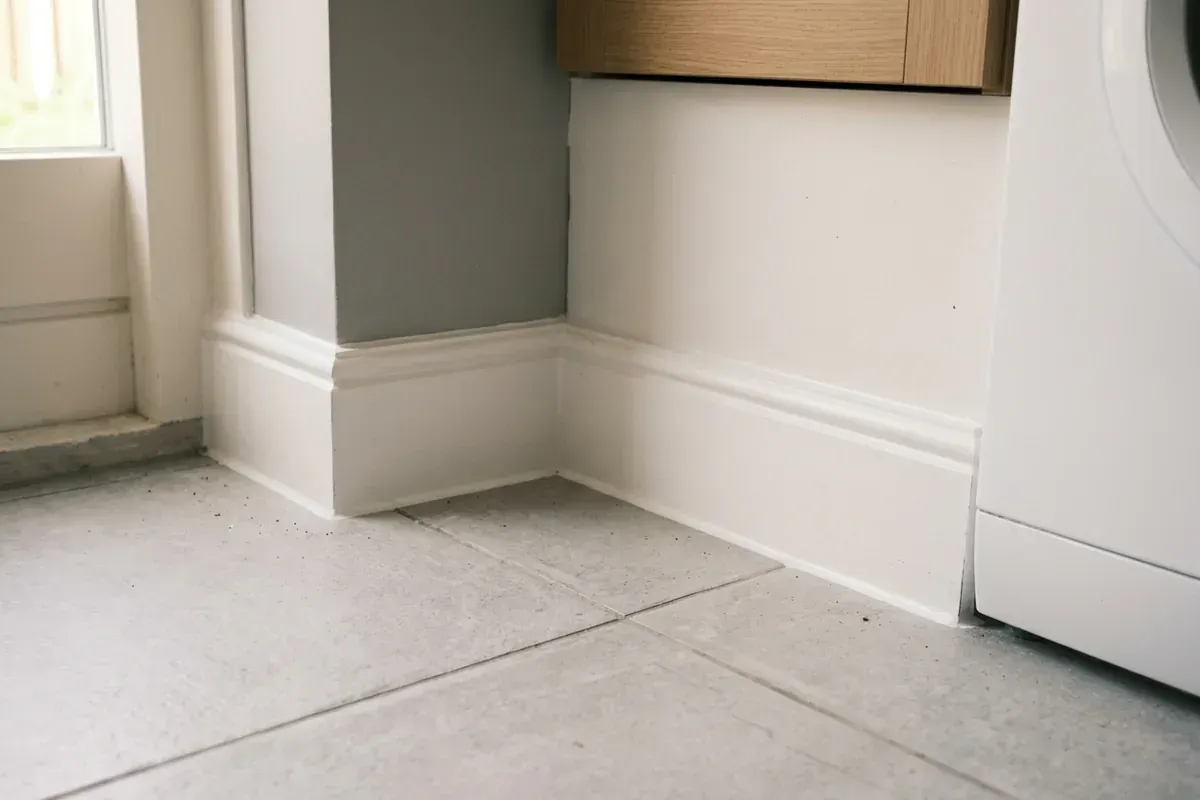
Moisture-resistant MDF
Moisture-resistant MDF copes better with moisture than standard MDF, but it is not waterproof. It can be used in dry and slightly damp areas, provided that:
- the skirting is sealed on all sides, including the underside and the cut edges;
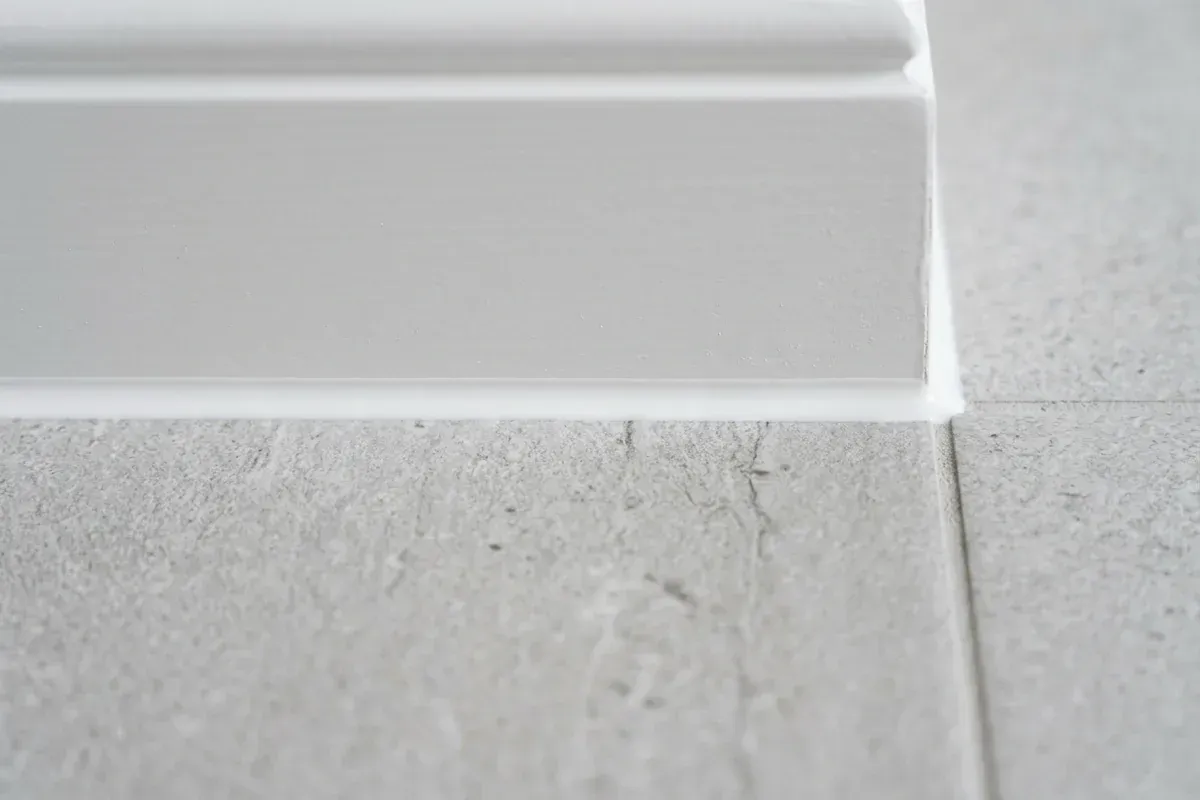
- the joint with the floor is properly sealed;
- no water is left standing against the skirting.
You can read more about its properties in MDF skirting boards: pros and cons.
Aluminium
Aluminium skirting does not absorb moisture and does not swell. That makes it a logical choice in damp rooms and in a sleek, modern interior. The point to watch is the seal along the bottom, so that no water gets trapped behind the skirting. Also read aluminium skirting boards.
Solid wood
Solid wood reacts to moisture by expanding and shrinking. It is therefore less suitable in a bathroom, unless used in a dry area with a good finish.
Why not plastic?
Plastic skirting is often sold for damp rooms. TipTop Plinten deliberately does not fit plastic skirting boards; in damp conditions we choose moisture-resistant MDF or aluminium, or recommend tiles in the wet zone.
Which sealant goes with bathroom skirting?
In a bathroom, the sealing is at least as important as the skirting itself.
- Along the floor and wherever water can reach: silicone sealant or a sanitary sealant. It stays flexible and is moisture-resistant, but it cannot be painted. So choose the colour in advance.
- Between skirting and a dry wall: acrylic caulk, which can be painted over and becomes invisible once painted.
Do not use acrylic caulk in places that get wet regularly, and do not use silicone in places that still need painting. You can read more about types of sealant in caulking skirting boards: which sealant?.
What to look for during installation
Tiled floor first, then the skirting
The skirting goes in after the floor and, where applicable, after the wall tiling. That way it fits tightly and the joint with the floor can be sealed straight away.
Seal the cut edges
With MDF, the cut edges are the most vulnerable. Every cut, including at mitres and ends, must be painted or sealed.
Ventilation
A well-ventilated bathroom dries out faster. That is good for every finish, including skirting. A skirting board does not solve a damp problem.
Pipes and waste
Cut-outs have to be made around the pipes for the toilet, radiator or washbasin. These are sealed as well.
Toilet and utility room
A separate toilet usually has a tiled floor and sometimes tiles halfway up the wall. If the wall above or next to the tiles is plastered, lacquered skirting can blend in nicely with the rest of the home. In a utility room, too, where a washing machine might leak, moisture-resistant MDF or aluminium is wiser than standard MDF.
Common mistakes
- Using standard MDF because it looks the same as moisture-resistant MDF.
- Not sealing cut edges, so moisture is drawn in through the end grain.
- Acrylic caulk along the floor in a place that regularly gets wet.
- Painting over silicone, after which the paint does not adhere and starts to peel.
- Skirting in the shower zone, where tiles or a water-resistant system belong.
Skirting is not waterproofing
A skirting board and a sealant joint keep splashes out, but they do not make a bathroom waterproof. Waterproofing lies in the floor, the walls, the membranes under the tiles and the junctions at the drain and shower. That is the work of the bathroom fitter or tiler. TipTop Plinten provides a neat, suitable finish in the areas where skirting belongs.
Having bathroom skirting fitted?
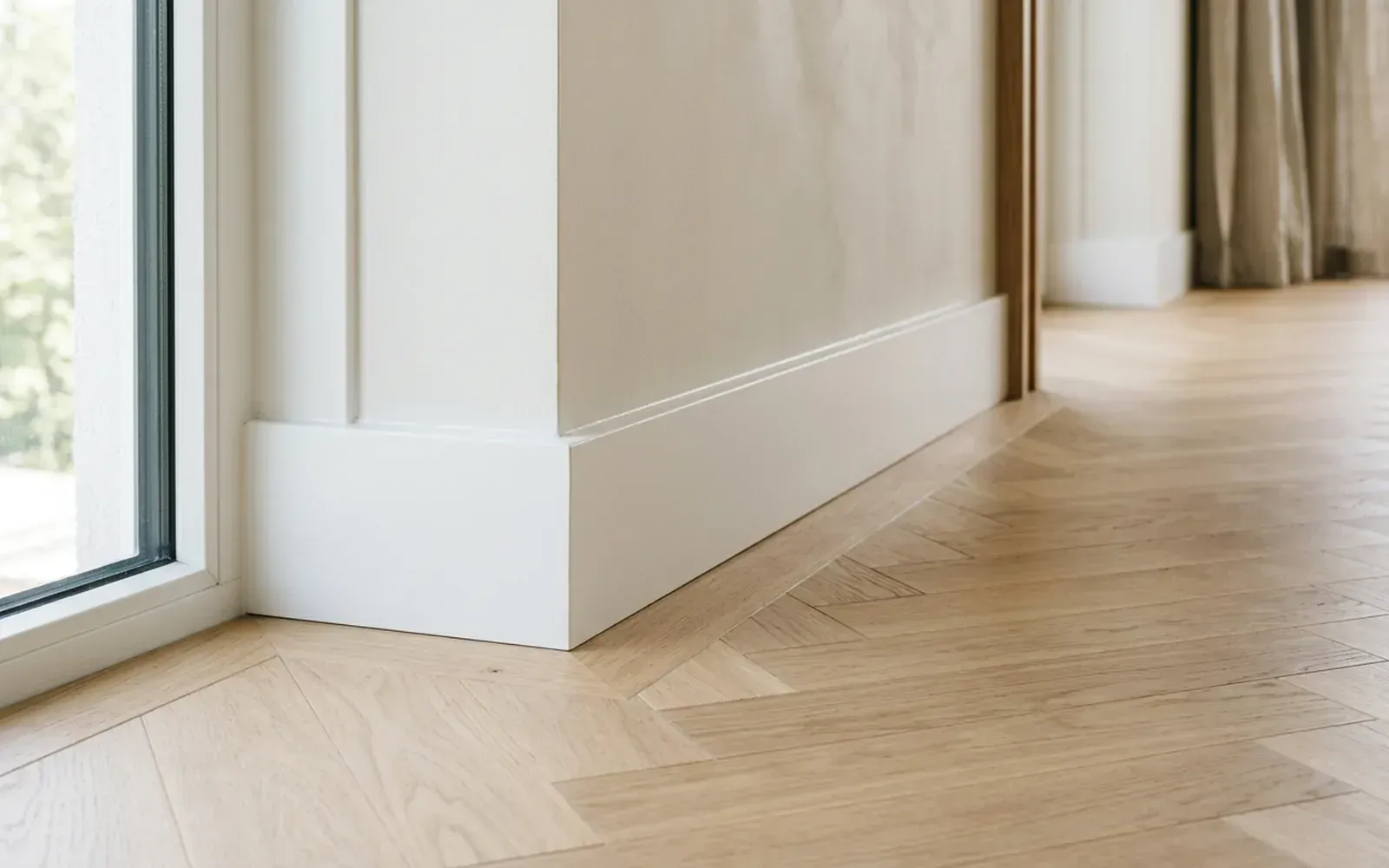
TipTop Plinten fits skirting boards in moisture-resistant MDF and aluminium, with the appropriate caulking. Just as with the MDF skirting and caulking in the apartment in Oss with a herringbone floor, it is all about a clean transition between floor and wall. Send photos of the bathroom or toilet and a short description via the contact page. The quote is free and without obligation. An on-site measurement is optional for €75 incl. VAT; this amount is credited as a discount on jobs above a minimum project size. We are happy to communicate in English, as well as Dutch, German, Turkish, Persian and Arabic.
Frequently asked questions
Standard MDF is not suitable for a bathroom, because it can swell when it gets damp. Moisture-resistant MDF, properly sealed on all sides, can be used in dry or slightly damp areas, such as a separate toilet or the part of the bathroom far from the shower and bath. Wet zones call for tiles or other water-resistant solutions.
Along the floor and wherever water can reach, silicone or another sanitary sealant is usually used; it is flexible and moisture-resistant but cannot be painted. Between the skirting and a dry wall you can use acrylic caulk, which can be painted over.
In zones where water regularly reaches the floor, yes. Tiled skirting or a fully tiled wall is the usual solution there. In dry areas, lacquered skirting can blend in better with the rest of the house.
Aluminium is unaffected by moisture and is therefore used more often in damp rooms. Do pay attention to the fixing and the seal along the bottom, so that no water gets trapped behind the skirting.
No. Skirting is a finish, not waterproofing. A bathroom's waterproofing lies in the floor, the walls, the sealing membranes and the junctions, and is the job of the bathroom fitter or tiler.
Related articles
Installation & finishing
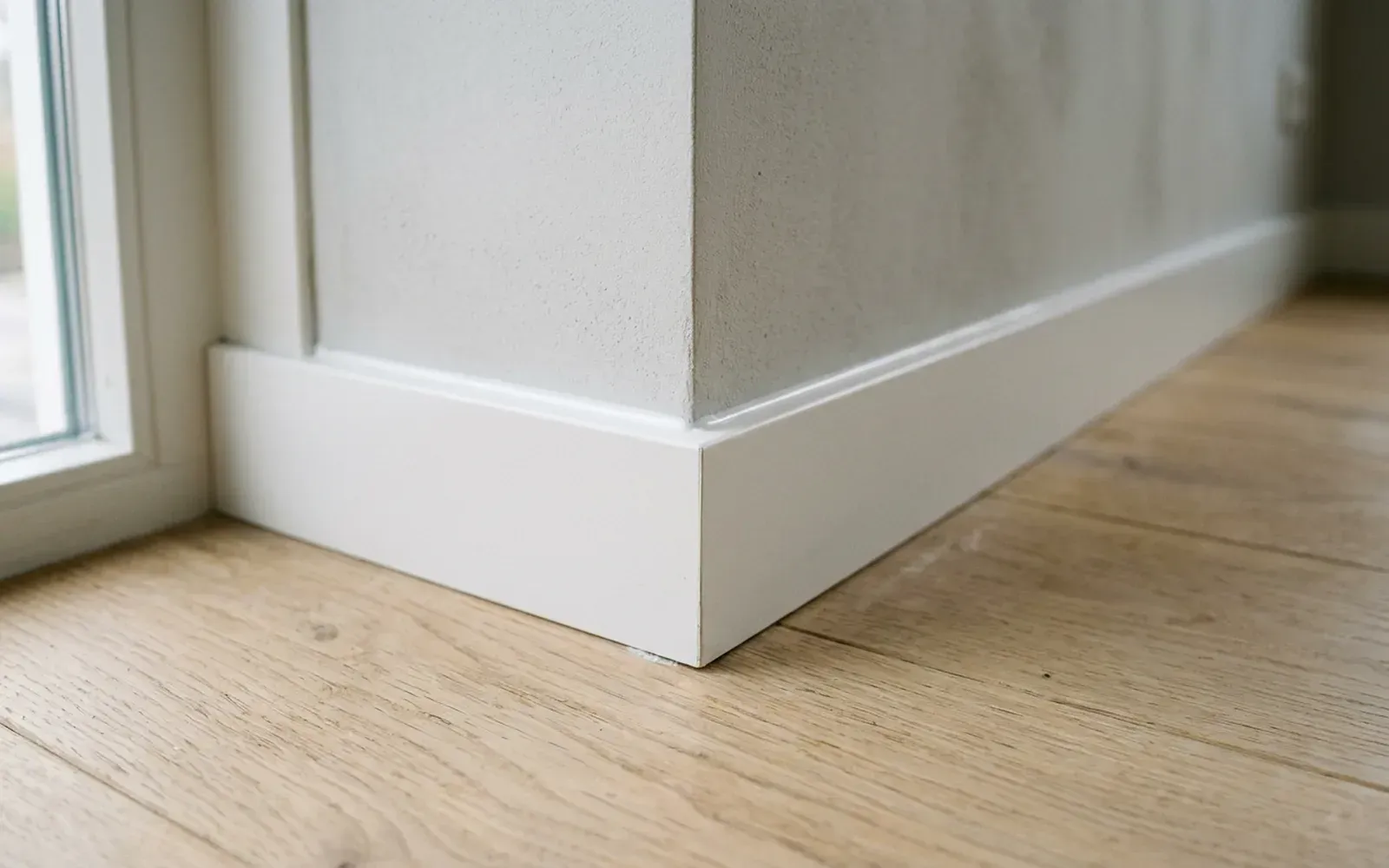
Caulking skirting boards: which sealant should you use and how do you get a neat finish?
For the joint between skirting board and wall you use paintable acrylic caulk, and silicone only where water is involved. Here is how to run a clean caulk line.
Choosing skirting
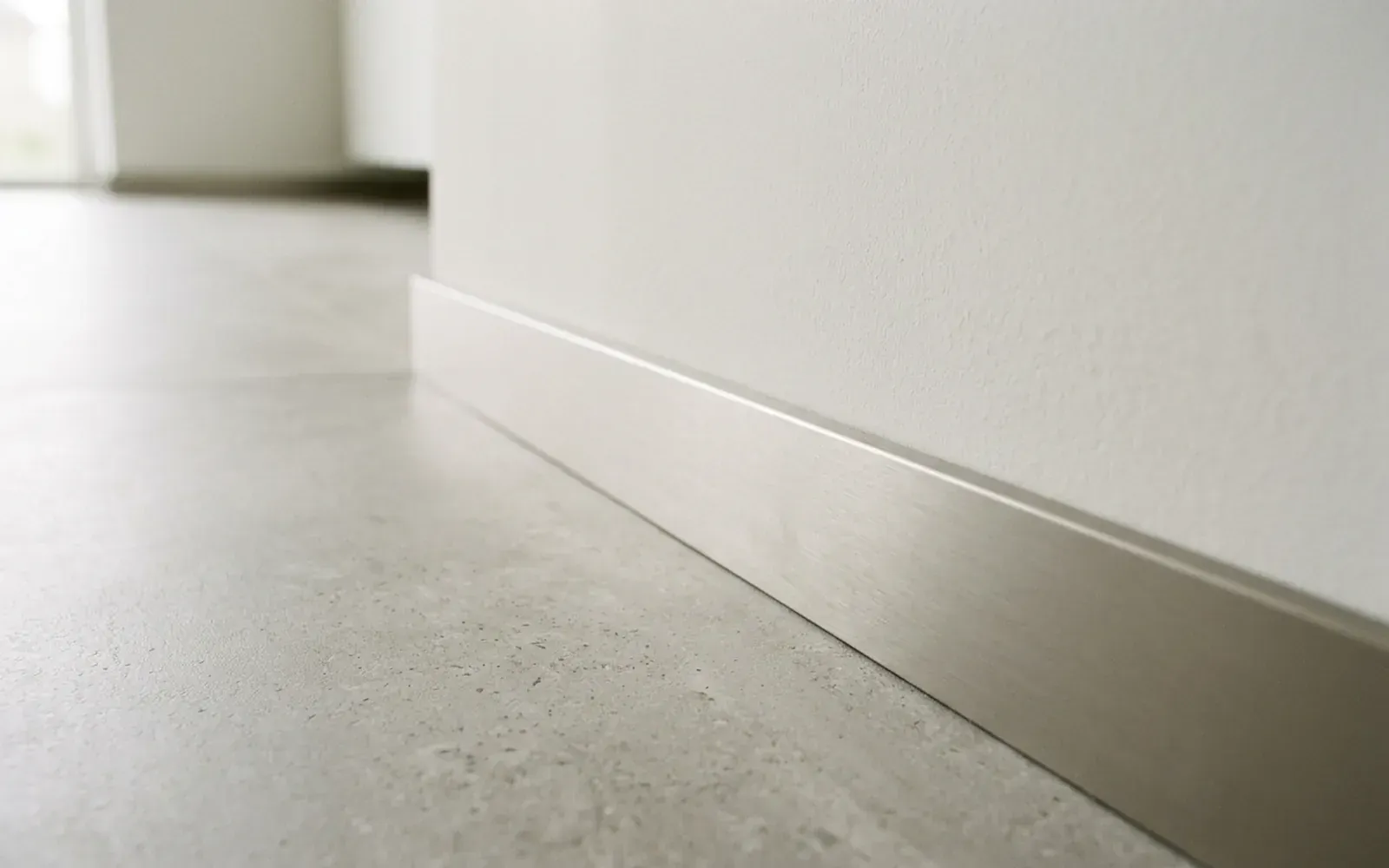
Aluminium skirting boards: sleek, modern and when they fit
Aluminium skirting boards suit sleek, modern interiors and commercial spaces. Here is how to choose between surface-mounted and recessed, and what it asks of your walls.
Choosing skirting
MDF skirting boards: pros, cons and when to choose them
MDF is the most popular material for skirting boards, but not the best choice in every situation. These are the advantages, the disadvantages and the pitfalls.
Related
Moisture-resistant MDF
Moisture-resistant MDF is MDF treated to make it less sensitive to moisture. It is suitable for rooms where standard MDF would quickly swell.
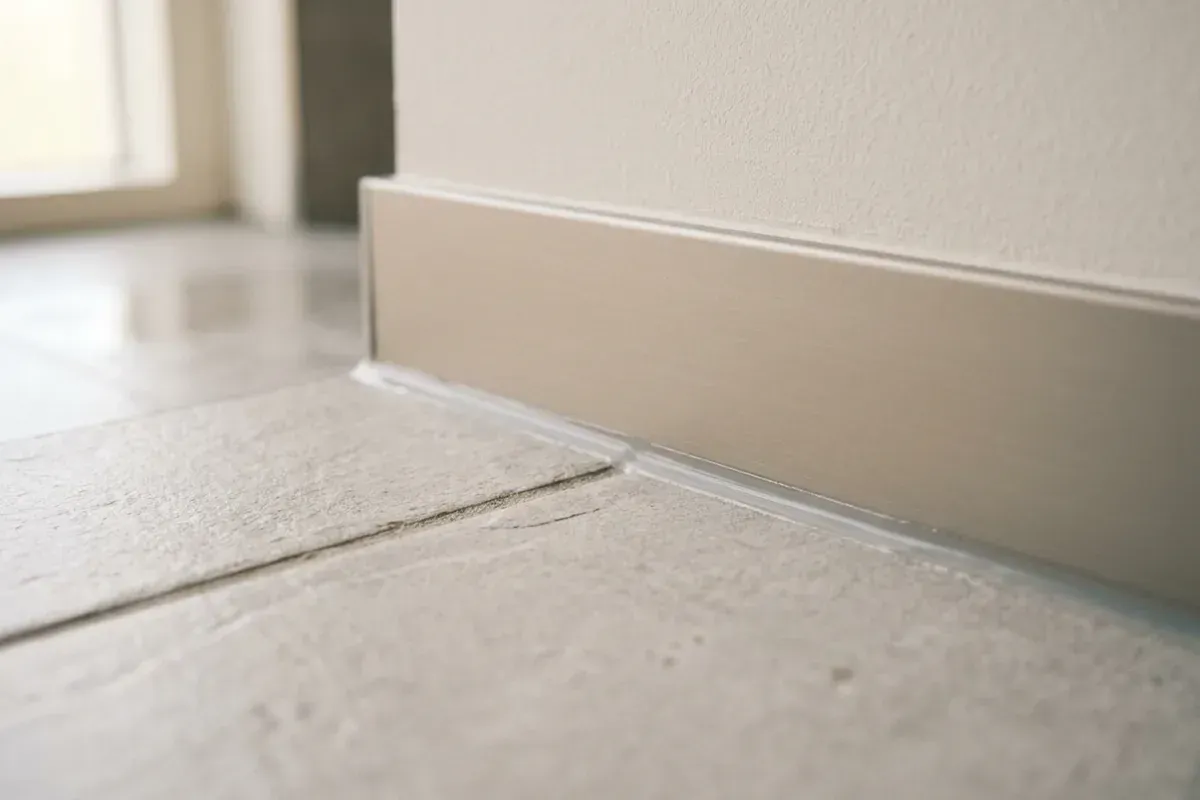
Silicone sealant
Silicone sealant is highly flexible and water-resistant, but cannot be painted. It belongs in wet rooms, not along painted skirting boards.
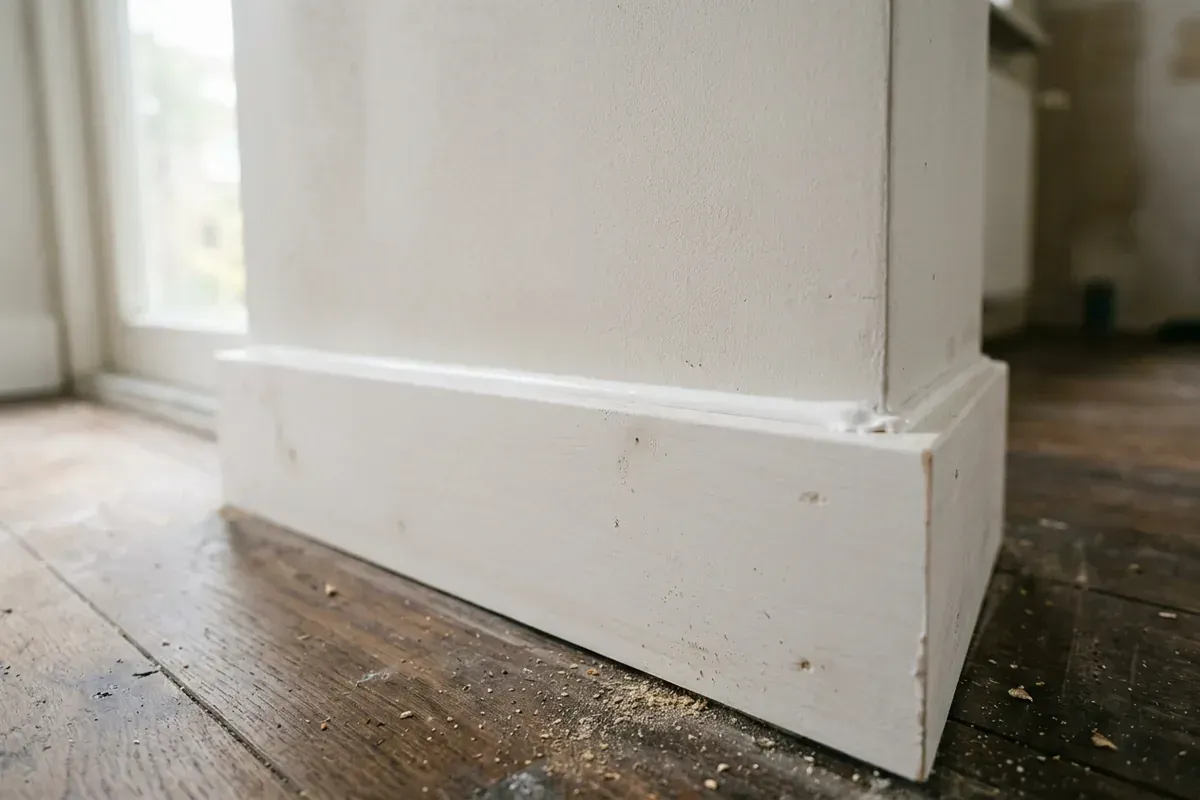
Acrylic caulk
Acrylic caulk is a water-based sealant that can be painted once cured. It is the usual choice for skirting boards, mouldings and frames in dry rooms.
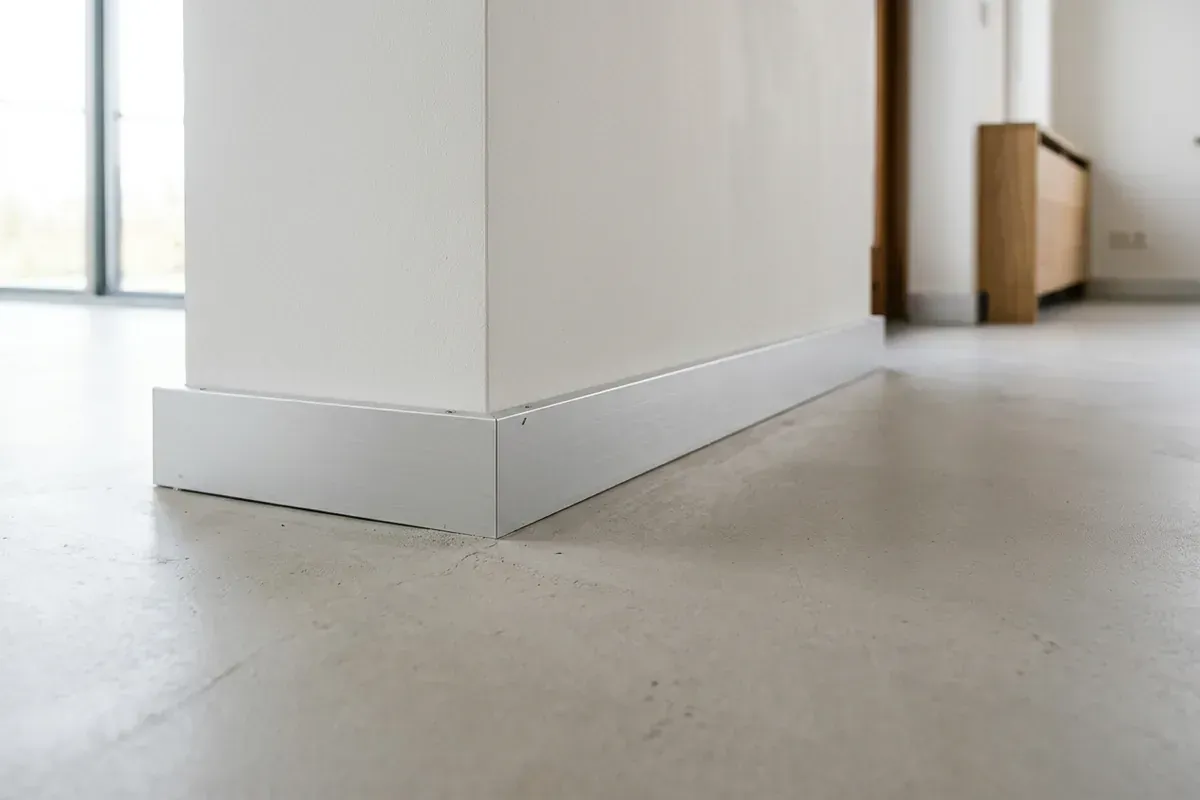
Aluminium skirting
Aluminium skirting is a slim metal profile at the base of the wall. It suits sleek, modern interiors and can be combined with LED lighting.
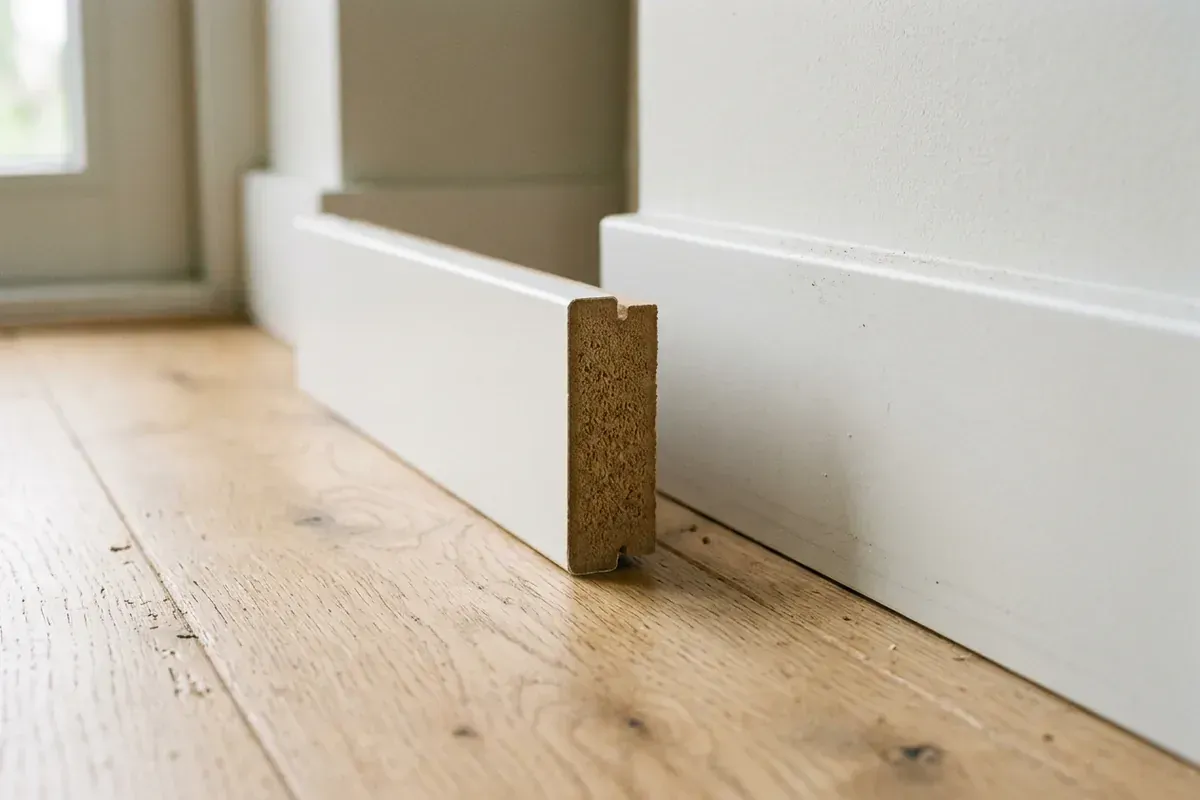
MDF
MDF is a sheet material made of pressed wood fibres. It is stable, smooth and easy to paint, which makes it the most popular material for skirting boards.
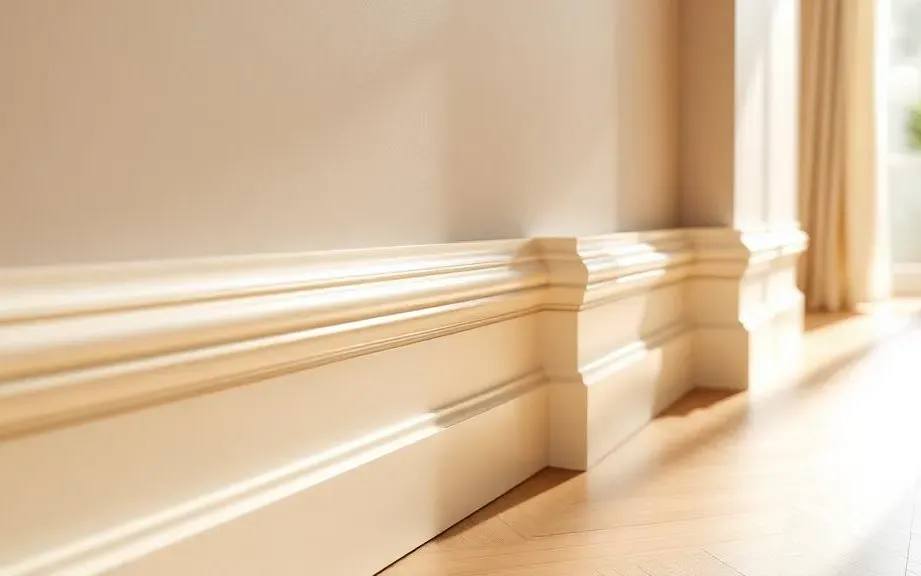
Skirting board installation by a specialist skirting fitter
TipTop Plinten fits skirting boards in MDF, solid wood and aluminium, finished in any RAL colour and neatly matched to any floor, even with uneven walls.
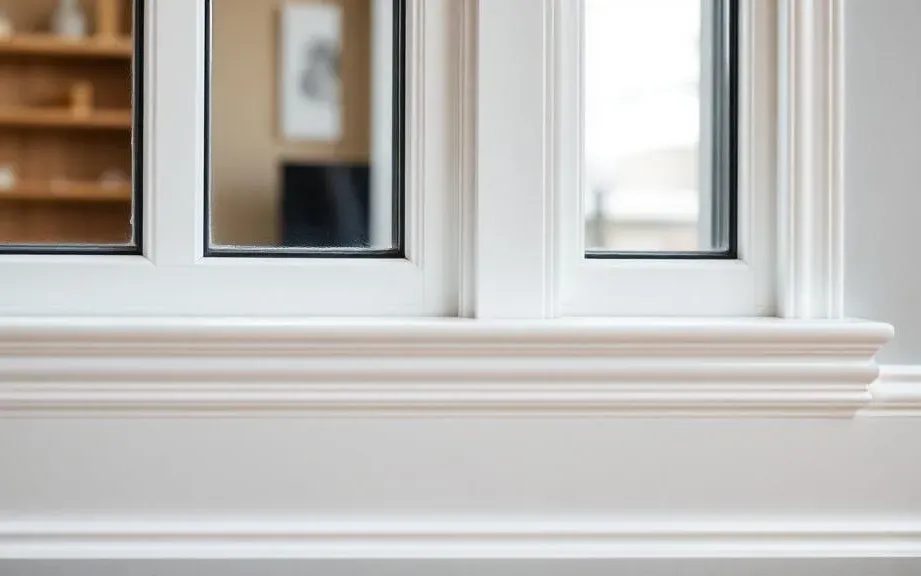
Caulking skirting boards and sealant work for a seamless finish
Caulking is the final step that makes skirting boards, mouldings and panels look seamless. TipTop Plinten uses acrylic or silicone, paint-ready or in colour.
Skirting board installation? Request a free quote
On-site measurement €75 incl. VAT (credited for orders above a minimum project size)