
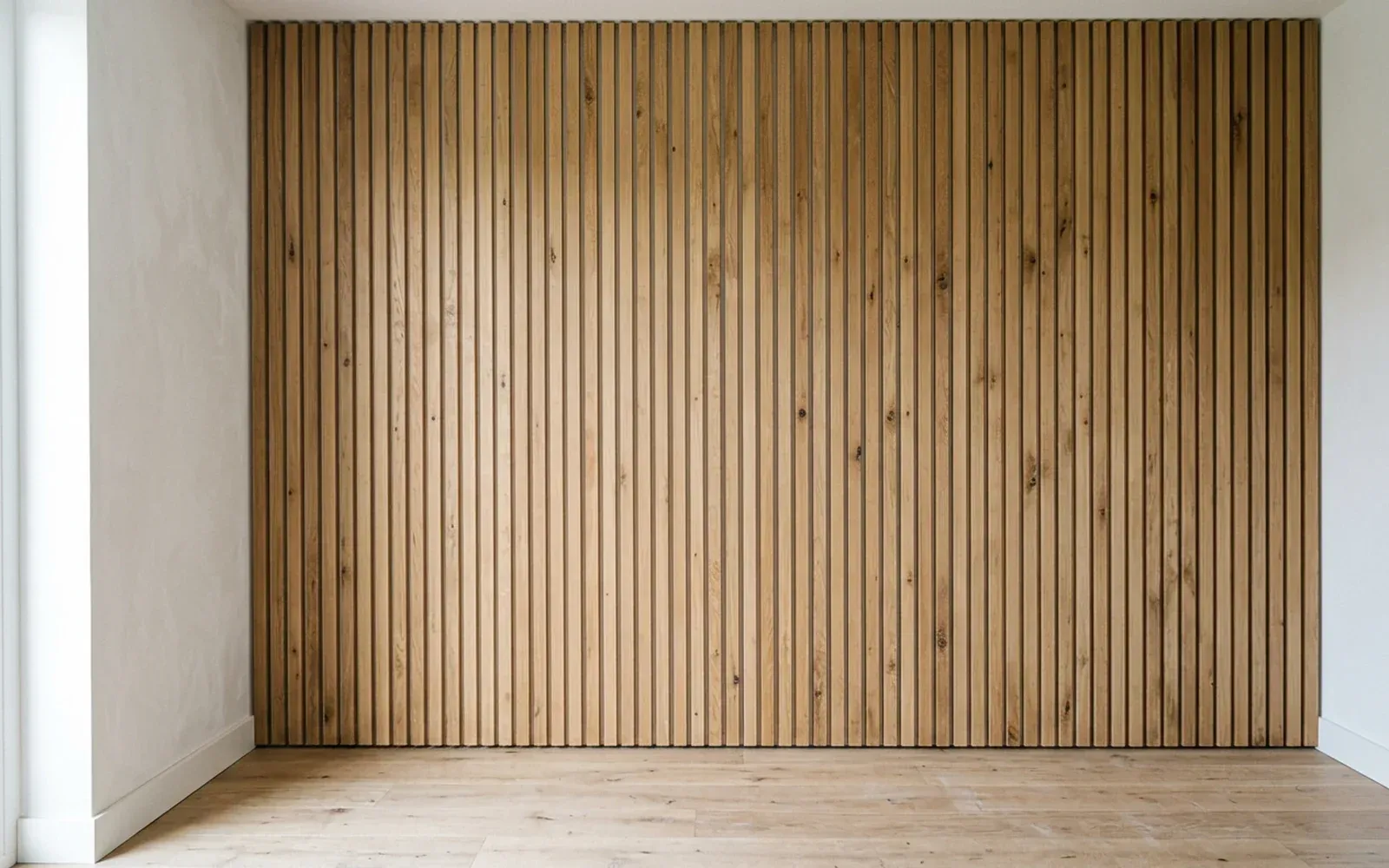
Wooden wall panels come in three main forms: solid wood, veneered panels (a thin layer of real wood on a board) and MDF that is painted or used as a substrate. Solid wood has the most character and can be repaired, but it moves with changes in moisture and temperature. Veneer looks like wood and is more dimensionally stable. MDF is the most stable and ideal if you want a crisply painted wall in a RAL colour. Which choice suits you depends on the room, the look you want and how the panel will be finished.
Why choose wooden wall panels?
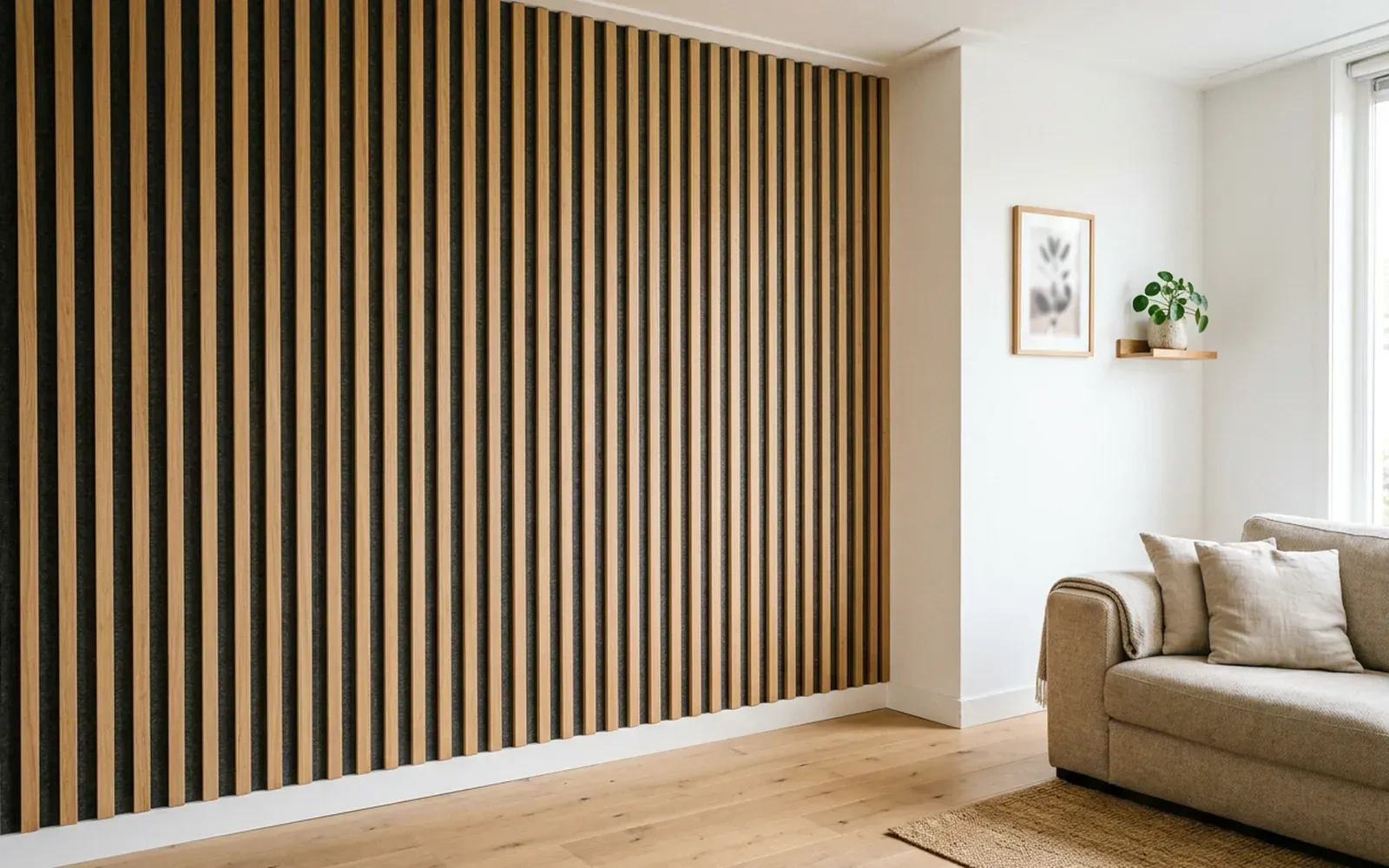
Wood brings something to a room that plaster and paint do not: grain, colour variation and a warm, natural look. A wooden wall feels calm and, provided it is well finished, ages gracefully. Wooden slats on felt are also a popular way to improve the acoustics of a room.
Solid wood, veneer or MDF: the differences
Solid wood
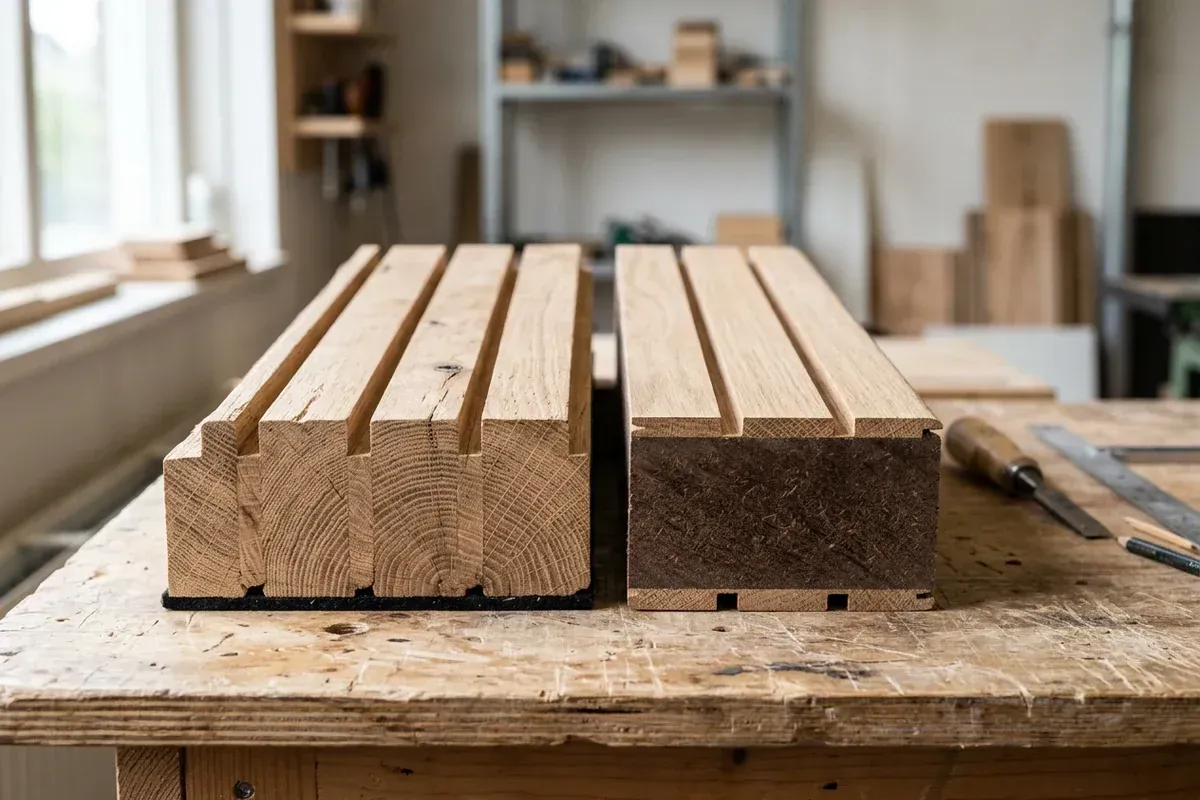
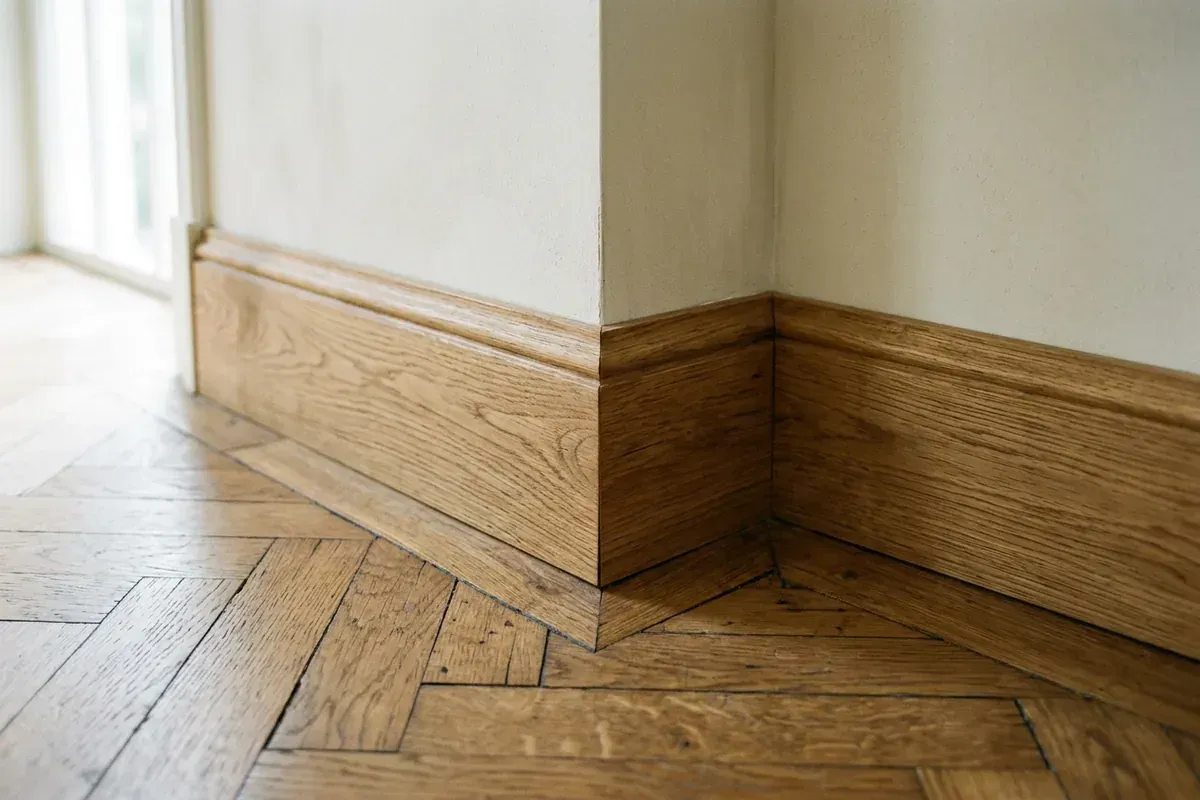
Solid wood consists of a single wood species all the way through, such as oak. You see the same wood on the front, the side and the end grain. That makes it suitable for visible edges and external corners. Damage can be sanded out and refinished.
The drawback: solid wood moves. It absorbs moisture from the air and releases it again. In winter, with dry air from the heating, it shrinks slightly; in a humid summer it expands slightly. There has to be room for that when it is fitted.
Veneer
With veneer, a thin layer of real wood is glued onto a board, often MDF. From the front you see real wood with real grain. Because the substrate is stable, a veneered panel moves much less than solid wood. Many acoustic slats are built this way: veneered slats on a felt backing.
Pay attention to edges and ends: you can see the substrate there unless it has been finished with an edging strip. Deep sanding is not possible with veneer either.
MDF
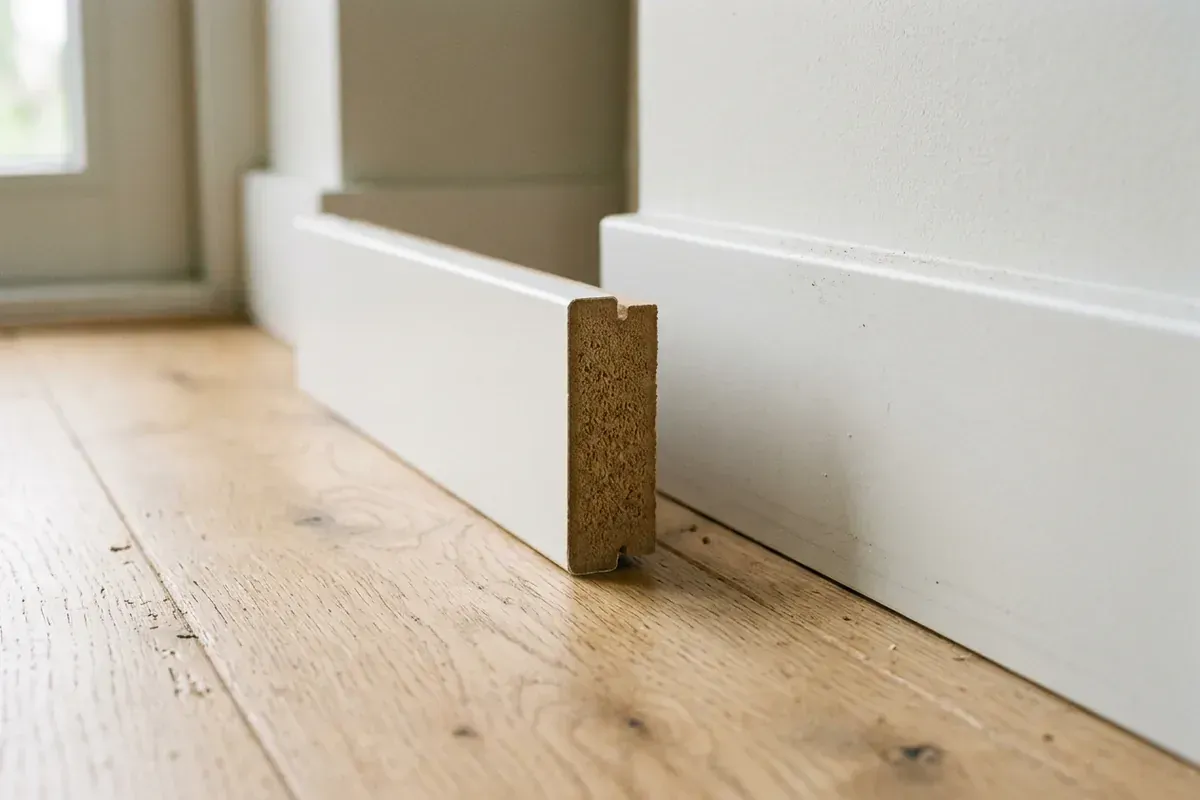
MDF is a wood-fibre board. It is dimensionally stable, smooth and takes paint evenly. If you want a wooden wall panel that does not look like wood, but like a crisply painted surface, MDF is usually the best choice. It can be finished in any RAL colour. For slightly damp rooms there is moisture-resistant MDF.
| Solid wood | Veneer | MDF | |
|---|---|---|---|
| Look | Real wood, edges included | Real wood on the front | Smooth, painted |
| Stability | Moves with changes in moisture | Stable | Very stable |
| Repairable | Sand and refinish | Limited | Touch up with paint |
| Finish | Oil, lacquer, stain | Oil, lacquer | Paint in any RAL colour |
You can read more about the choice of material for skirting boards in wooden skirting or MDF; many of the same considerations apply to panels.
Which forms are there?
- Slats: narrow vertical or horizontal battens, with or without felt behind them. They add rhythm and play of shadow.
- Wide panels or boards: a calmer, flatter look, for example with a V-groove between the boards.
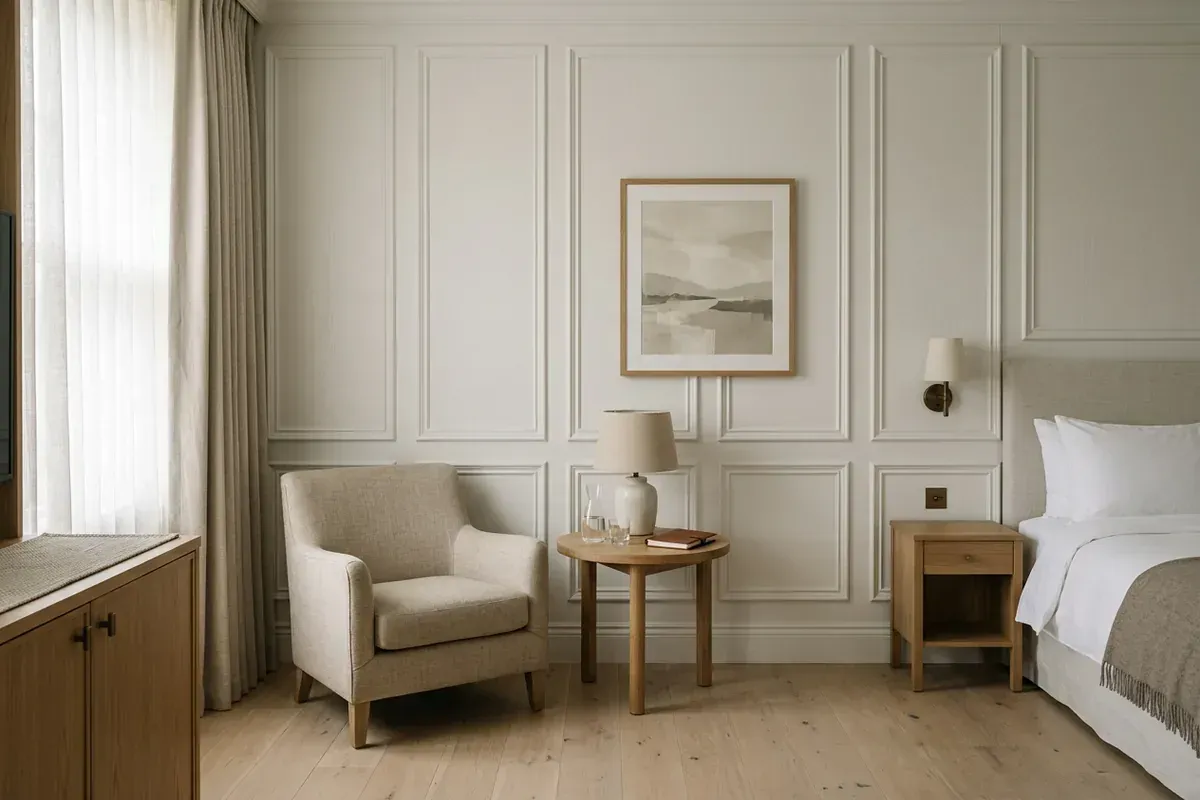
- Frames and wainscoting: a classic layout on the lower part of the wall. See also wainscoting in the glossary.
- Acoustic slats: wooden slats on felt that reduce echo as well as looking good. In acoustic wall panels: what do they deliver? you can read what to expect from them.
What should you look out for when fitting?
Acclimatising
Solid wood and veneer are left in the room for a while before fitting, so they can adjust to the temperature and humidity. If you fit wood that has just come out of cold, damp storage, it can shrink or warp after fitting.
Play and fixing
Solid wood is not fixed tight between two walls. A small amount of play is left at the edges, hidden behind a finishing batten or in a shadow gap. Panels are usually screwed or mounted on battens, supplemented with adhesive in the right places where appropriate.
A flat surface
Slats show every deviation in the wall. A bulging or out-of-true wall is taken up with battens or packing, so the slats stand plumb and the gaps stay even.
Sorting the wood
Wood is a natural product. Slats and panels differ from one another in colour and figure. Laying them out and sorting them beforehand prevents one noticeably dark or light slat from ending up in the middle of the wall.
Which wood species suits your interior?
The wood species largely determines the atmosphere of the wall:
- Oak: the most popular choice for wall panels. Light in colour, with a pronounced grain, and easy to combine with most floors. Smoked or dark-stained oak gives a warmer, more luxurious look.
- Walnut: dark and warm, with lively figure. Suits an interior with lots of natural materials or a retro feel.
- Lighter species: create a fresh, Scandinavian feel, but show marks and discolouration sooner.
Bear in mind that wood changes colour in daylight. Light wood often becomes slightly warmer or darker; dark wood can fade a little. A newly fitted panel next to a floor that has been down for years can therefore look a little different at first. So it is better to choose a deliberate difference than an almost-matching shade.
Which finish?
- Oil: gives a natural, matt look and shows the grain well. Can be touched up locally.
- Lacquer: forms a protective layer and is easy to keep clean. Available from matt to satin.
- Stain or colour oil: changes the colour of the wood but leaves the grain visible.
- Opaque paint: on MDF in any RAL colour; on solid wood, the grain may remain visible through the paint.
Wooden wall panels and moisture
Wood and wood-based boards do not belong in a wet zone, such as the shower or directly behind a sink. In rooms with fluctuating humidity they can work, provided they are well finished and the room is well ventilated. Read more in wall panels in the bathroom and damp rooms and kitchen wall panels.
Why no plastic with a wood look?
There are plenty of plastic panels with a wood print on the market. TipTop Plinten deliberately does not fit plastic. With solid wood, veneer or painted MDF, you get a wall that also looks like craftsmanship up close, and that can be touched up when needed.
Having wooden wall panels fitted?
TipTop Plinten, based in 's-Hertogenbosch, fits wall panels and wall mouldings in solid wood and MDF throughout the Netherlands, for homeowners, contractors and interior fit-out companies. Read more on the wall panels and wall mouldings page, or take a look at the acoustic wall panels in Apeldoorn.
Send a description of the wall, a few photos and the material you have in mind via the contact page. The quote is free and without obligation, and we can communicate in English, Dutch, German, Turkish, Persian or Arabic. An on-site measurement is optionally available for €75 incl. VAT; this amount is credited as a discount on jobs above a minimum project size.
Frequently asked questions
Solid wood is wood all the way through. With veneer, a thin layer of real wood is glued onto a board, often MDF. From the front, veneer looks like wood and is more dimensionally stable, but it cannot be sanded or repaired as deeply as solid wood.
Yes. Solid wood absorbs moisture and releases it again, so it expands and shrinks slightly. That is why you let the wood acclimatise in the room and allow for some play when fitting, for example at the edges or between slats.
Not in the wet zone, such as the shower. Wood and wood-based boards do not belong there. In dry parts of a well-ventilated room, a well-finished panel can sometimes work; this is assessed case by case.
Usually dusting and wiping now and then with a slightly damp cloth is enough. Oiled panels can be re-oiled over time. Do not use harsh cleaning products or a lot of water.
Yes. TipTop Plinten fits wall panels and wall mouldings in MDF and solid wood, including acoustic slat panels. Plastic panels with a wood print are deliberately not fitted.
Related articles
Mouldings & walls
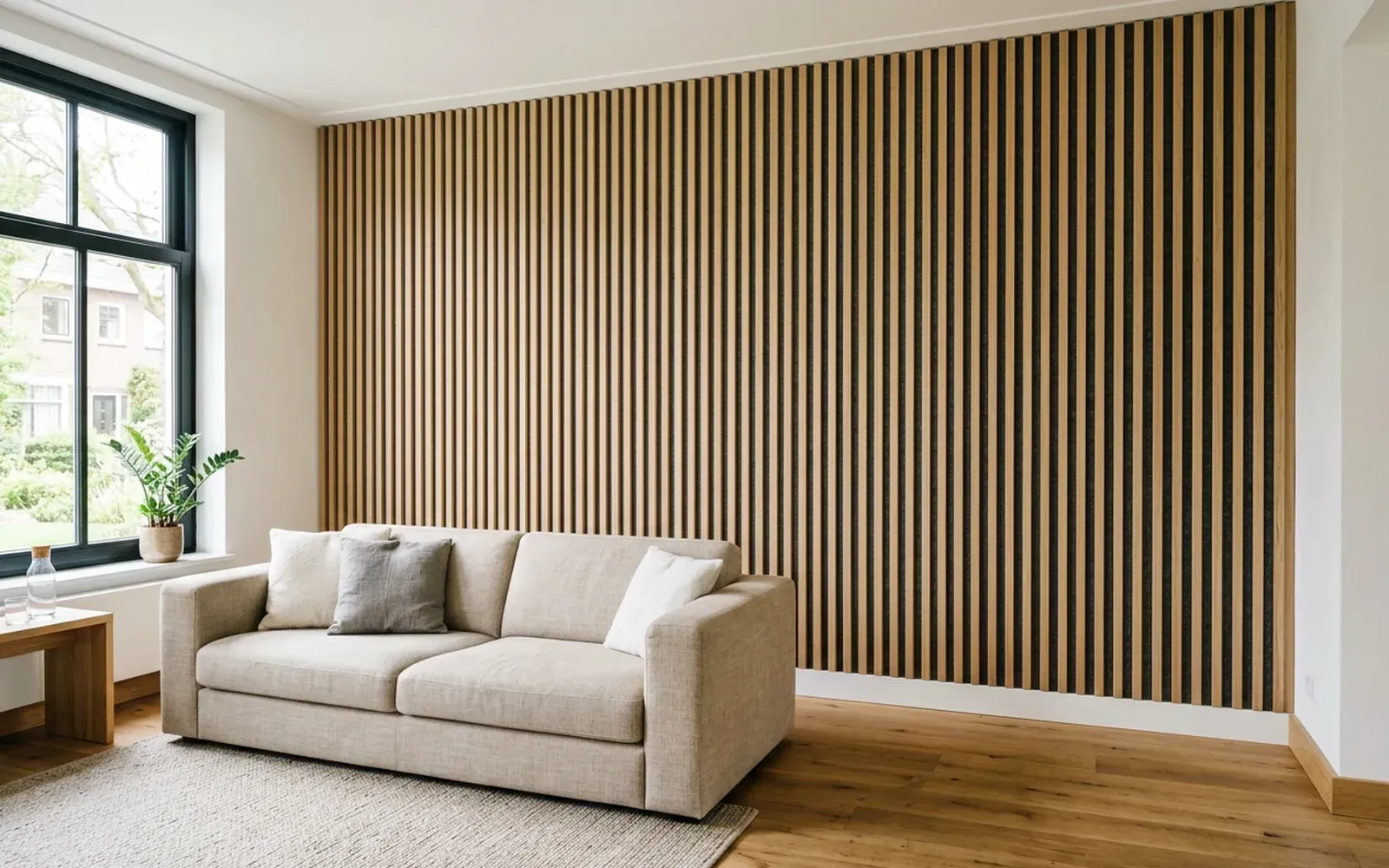
Living room wall panels: which wall, which panel and what to look out for
A wall panel can give a living room calm, depth and better acoustics. These are the types, the best places and the details that make the difference.
Choosing skirting
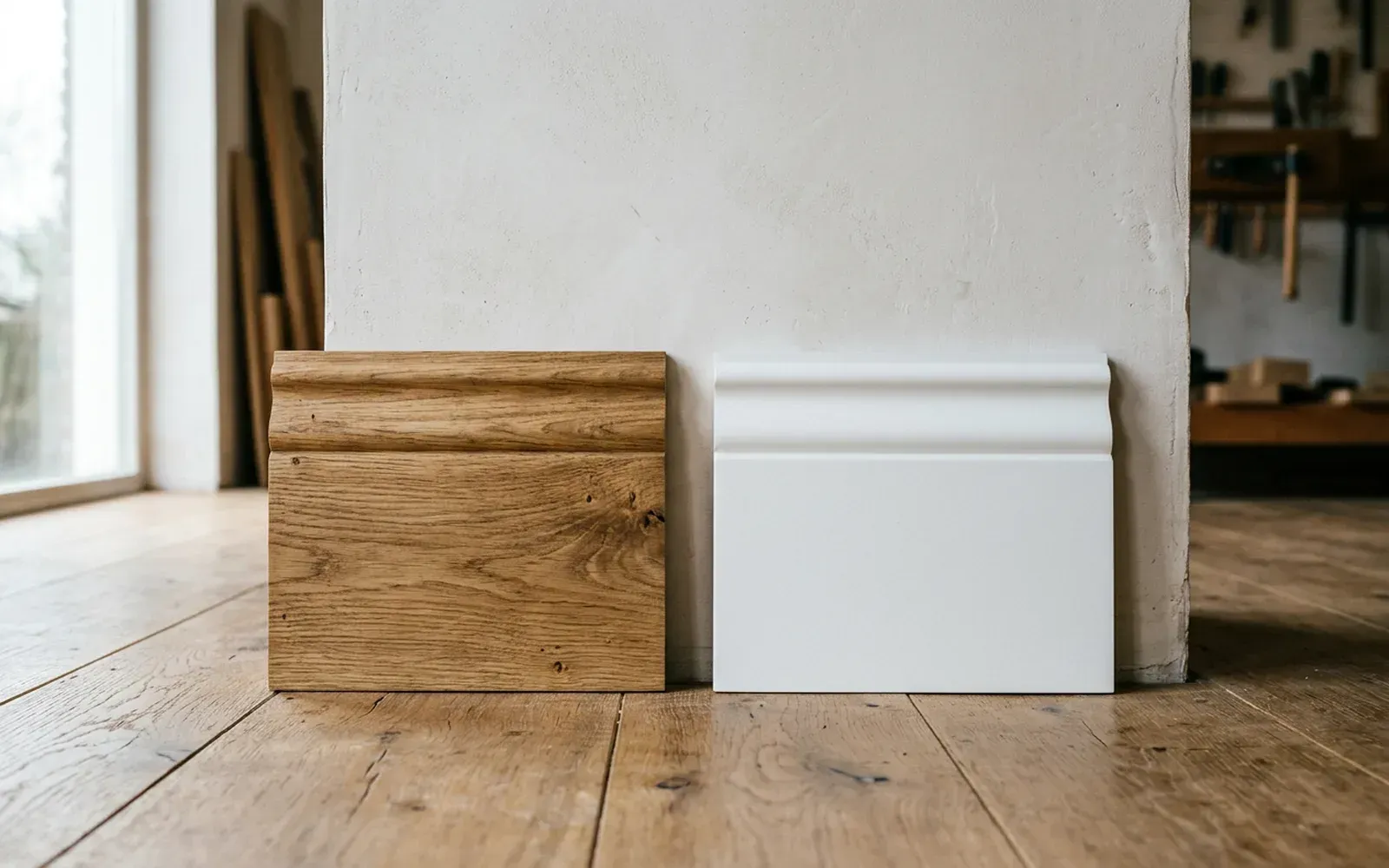
Wooden skirting boards or MDF: which suits your home?
Solid wood skirting or MDF? Both materials have clear pros and cons. We compare the differences side by side so you can choose skirting that suits your floor, interior and use.
Mouldings & walls
Acoustic wall panels: what do they do and when should you choose them?
Acoustic wall panels dampen echo in a room while giving the wall a warm, modern look. We explain how they work, what you can expect from them and what to look out for.
Related
Solid wood
Solid wood is timber in one piece, without pressed fibres. It gives skirting boards a natural look, but moves with temperature and humidity.
MDF
MDF is a sheet material made of pressed wood fibres. It is stable, smooth and easy to paint, which makes it the most popular material for skirting boards.
Wall panel
A wall panel is a board or panel fixed to a wall for appearance, protection or sound absorption. There are many types.
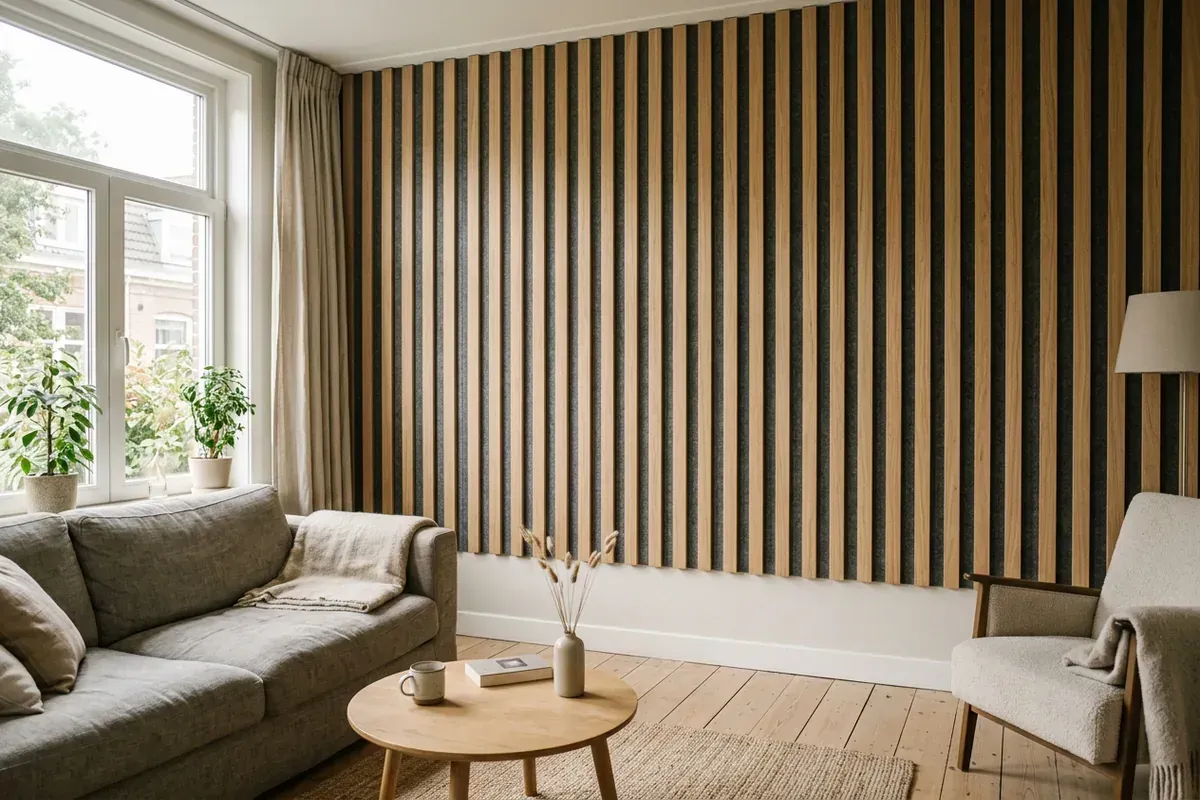
Acoustic panel
An acoustic panel absorbs sound and so reduces echo in a room. Slats on felt are the best-known type for the home.
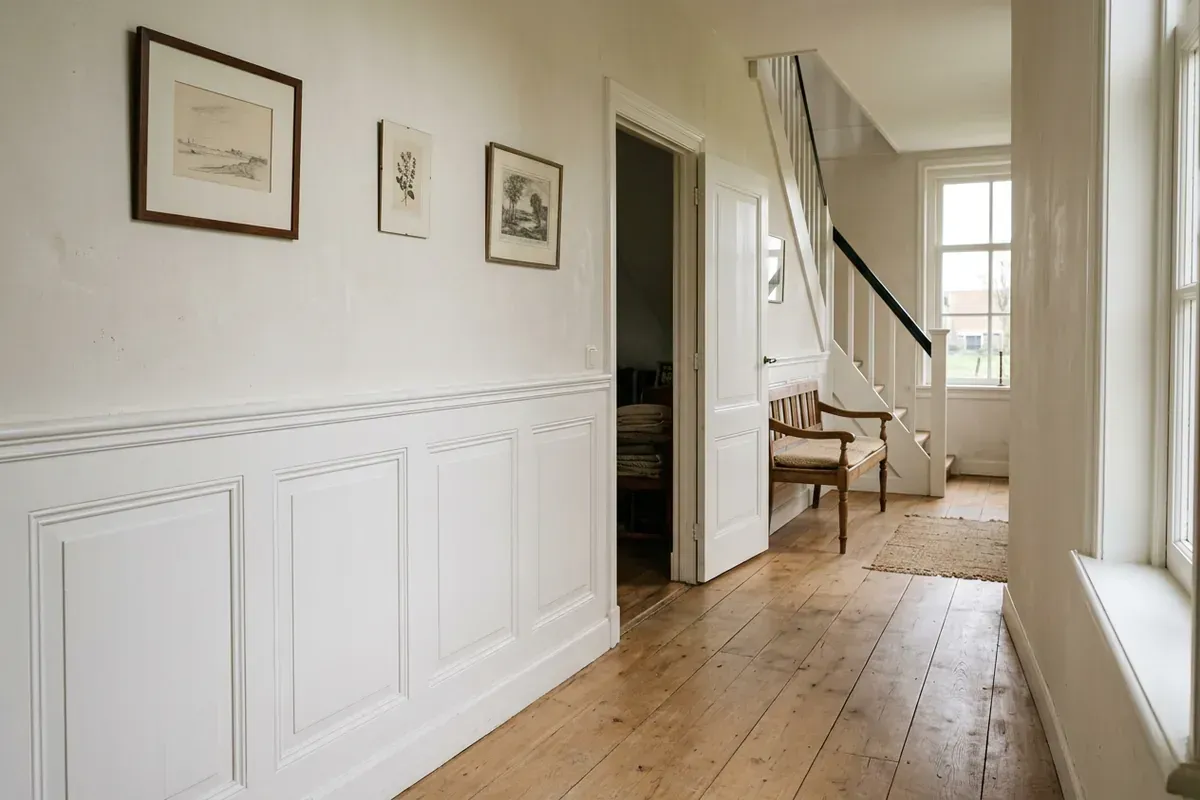
Wainscoting
Wainscoting is a covering on the lower part of the wall, traditionally in timber. It protects the wall and gives a room a classic character.
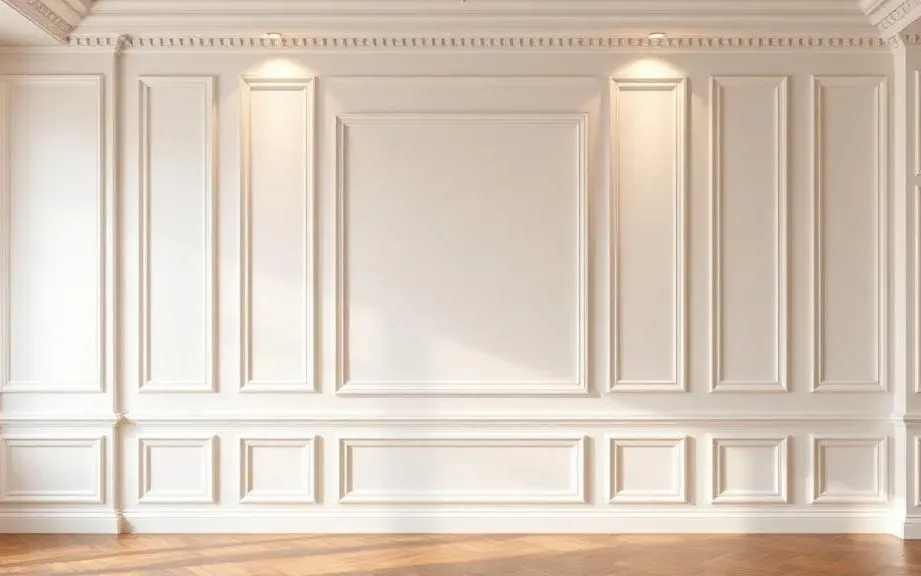
Wall panelling installation and wall mouldings fitted
TipTop Plinten fits wall panels, wall mouldings, slat panels and acoustic panels in homes, offices and hotels, with tight mitres and clean caulking.
Skirting board installation? Request a free quote
On-site measurement €75 incl. VAT (credited for orders above a minimum project size)